Bangladesh records 13 winter fires Bangladesh incidents since mid-November, officials report. Dry weather fuels the surge, with no deaths but widespread damage to homes and buildings. Fire Service urges immediate safety measures.
Bangladesh grapples with a sharp rise in winter fires Bangladesh as dry conditions ignite blazes across urban slums and commercial sites. From November 19 to December 3, 2025, the Bangladesh Fire Service and Civil Defence handled 13 such events, mainly in Dhaka. No lives were lost, but thousands face homelessness after a massive slum inferno. This seasonal spike threatens densely packed communities in South Asia’s most vulnerable nation, where rapid urban growth outpaces fire prevention infrastructure. Experts warn that without swift action, casualties could mount, echoing past tragedies that claimed hundreds.
Fire Incidents Winter Bangladesh Escalate Amid Dry Spell
Fire incidents winter Bangladesh have intensified since late November 2025. The Bangladesh Fire Service logged 21,727 blazes nationwide from January to October this year, with 12,259 occurring in the first four months alone. Historical trends show peaks from December to March, driven by low humidity that dries flammable materials.
Key events unfolded rapidly. On November 19, flames gutted a market near Hotel Ramna in Gulistan and a chemical factory in Bagher Bazar, Rajendrapur, Gazipur. Three days later, a ninth-floor blaze hit a 10-storey commercial building in Segunbagicha, Purana Paltan. Dhaka University suffered on November 24 when fire ravaged a tin-shed kitchen at Bijoy Ekattor Hall.
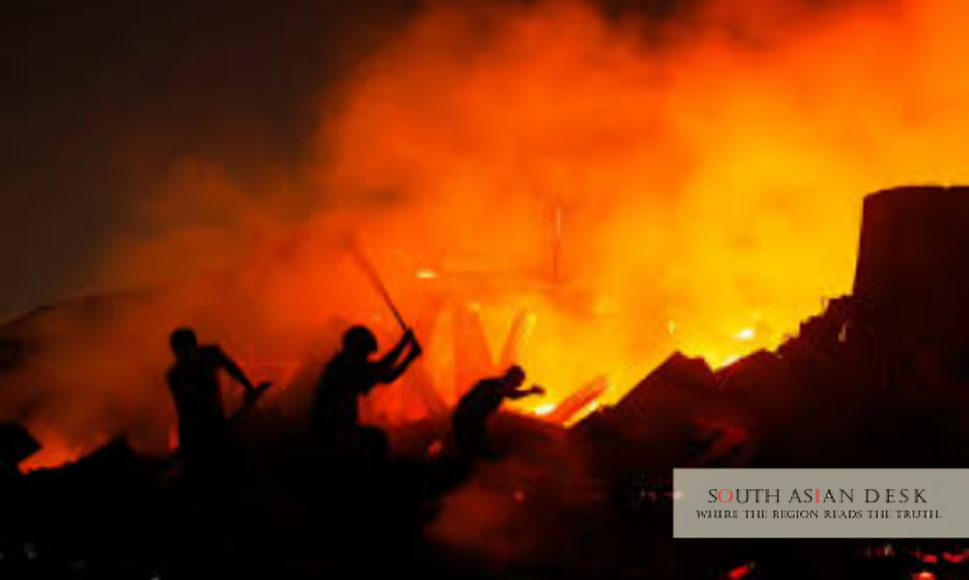
The deadliest struck Korail slum in Mohakhali on November 25. Around 1,500 shanties burned, displacing thousands of families, many climate refugees. Fire engines battled the flames for 16 hours. Lt Col Mohammad Tajul Islam Chowdhury, Fire Service director, stated: “About 1,500 shanties were burned or damaged in the blaze and thousands remained homeless.” No casualties emerged, but the scale exposed slum vulnerabilities.
Further outbreaks followed. November 26 saw fire on the fourth floor of a block at PG Hospital in Shahbagh. The next day, an eight-storey residential building in Mogbazar and a hut in Karwan Bazar rail gate area caught fire. On November 30, an electrical short circuit sparked a blaze on the ninth floor of the new 20-storey Secretariat Building-1. Monday brought two more: a six-storey structure in Zahuri Mohalla, Mohammadpur, and two buildings in Rahmatganj, Chawkbazar, Old Dhaka, where three- and two-storey edifices sustained heavy damage.
Causes trace to winter specifics. Dry weather and low humidity render wood, cloth, and plastics highly combustible. Officials cite loose electrical connections in switchboards, air conditioners, and multi-plugs. Common triggers include open stoves for warmth, mosquito coils, wood heaters, and careless smoking. In 2024, 26,659 fires occurred from January to November, surpassing 27,624 in 2023, 24,102 in 2022, and 21,601 in 2021. Monthly data confirms December-to-May peaks, with sharp drops in the monsoon.
Winter Fire Safety Bangladesh: Urgent Calls for Vigilance
Winter fire safety Bangladesh demands priority as campaigns ramp up. The Fire Service and Civil Defence launched over 30 awareness drives in Dhaka since September 25, 2025. Md Shahjahan Sikder, media officer at Fire Service Headquarters, noted: “The incidence of fire generally rises during the cold and dry season.”
A nationwide blaze control effort began November 10, 2025, per Bangladesh Sangbad Sangstha reports. Officials target kitchens, heaters, coils, and appliances. “Careless use during winter significantly increases risks,” they warned. Precautionary messages flood mobile users, urging automatic detection systems in factories and trained security in large buildings.
Public steps include checking wiring, avoiding overloads, and installing smoke alarms. Sikder added: “All flammable materials dry out in winter, creating a natural environment for fire. Public awareness… can significantly reduce incidents.” Just four months of heightened vigilance from December to March could halve accidents, he estimated.
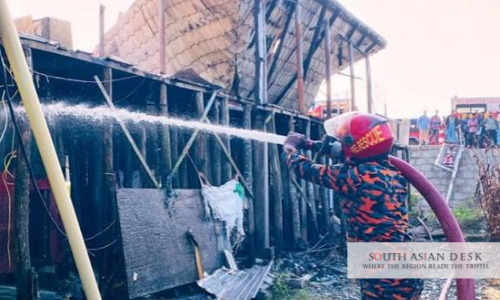
Inspections and drills intensify. The department surveys high-risk zones like slums and markets. In Korail, rapid response contained spread, but delays in access plagued other sites. Firefighters stress early reporting via hotline 102.
Bangladesh Fire Service Winter Preparations Under Scrutiny
Bangladesh fire service winter operations face testing. The agency deploys 19 engines per major incident, as in Korail. Yet, bureaucratic hurdles slow responses, per frontline accounts. Director Chowdhury emphasised collective preparedness: “For emergency assistance, contact the Fire Service and Civil Defence hotline: 102.”
Data underscores needs. Early 2025 saw 12,259 fires in four months, half the yearly total by October. Government responses include aid distribution post-Korail, though specifics remain pending.
This surge mirrors South Asia’s fire woes, where climate shifts dry landscapes faster. In Bangladesh, 60,000 families cram Korail’s 160 acres, amplifying risks. Lax regulations fuel repeats; past garment factory fires killed dozens due to absent safety plans.
Historical Context of Winter Fires Bangladesh
Winter fires Bangladesh claim roots in seasonal shifts. Pre-2025 records show consistent rises: 2023’s 27,624 incidents dwarfed monsoons. Urban density in Dhaka, home to 20 million, bottles hazards. Slum infernos displace en masse, straining relief. A 2024 chemical warehouse blaze injured five firefighters, highlighting gear gaps.
Garment sector woes persist. October 14, 2025, saw 16 deaths in a Mirpur factory lacking fire plans. Chowdhury noted: “Neither the garment factory nor the chemical warehouse had approval or any fire safety plan.” Such lapses erode trust in oversight.
What’s Next for Fire Prevention
Authorities plan expanded drills through March 2026. Mobile alerts will target 170 million users. Community training aims to cut response times. Slum retrofits, funded by BDT 500 million.
Bangladesh fire service winter teams eye tech upgrades, like drones for scouting. Public buy-in remains key. As dry winds persist, one focused push might avert disaster.
Winter fires Bangladesh loom larger without action, but coordinated efforts offer hope for safer seasons ahead.
Published in SouthAsianDesk, December 4th, 2025
Follow SouthAsianDesk on X, Instagram, and Facebook for insights on business and current affairs from across South Asia.