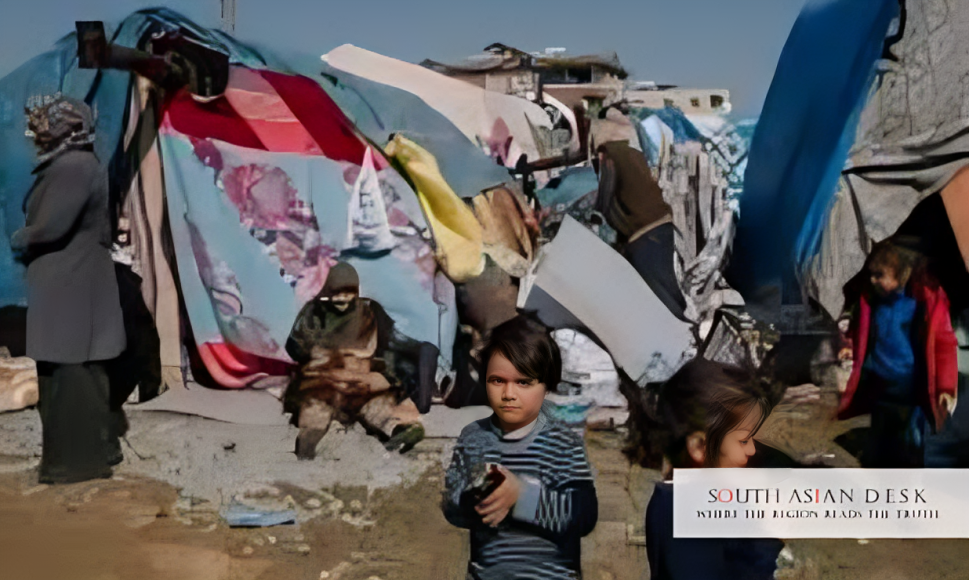
Samangan earthquake survivors in Khulm district and other affected areas continue to endure severe hardship more than six weeks after the 6.3 magnitude earthquake hit northern Afghanistan on 3 November 2025. Residents report destroyed homes, no permanent shelter, and insufficient aid as winter conditions worsen.
Residents in Samangan described living in temporary conditions unsuitable for the cold season. One survivor, Aqayi Gul, said all homes in his area were destroyed and families could not afford to rebuild. Another resident, Aman Gul, appealed to authorities for help, noting that winter makes tent living impossible.
Abdul Ghafar, who lost his two-year-old son in the quake and suffered injuries along with family members, called for shelter to protect dignity and privacy. Local officials acknowledged early assistance for basic needs but said efforts to secure further humanitarian support continue.
Samangan Earthquake Aid Efforts and Delays
Humanitarian assessments after the earthquake confirmed widespread destruction in Samangan and neighbouring Balkh provinces. Over 2,500 houses were destroyed across affected districts, with Samangan bearing significant impact in areas such as Khulm, Feroz Nakhchir, and Hazrat Sultan.
By 10 November 2025, more than 2,200 families had received some form of assistance, including 1,970 in Samangan and 252 in Balkh. Aid included food, non-food items, and emergency support. However, Samangan earthquake survivors in certain villages reported that promised shelter had not arrived.
Recent initiatives include winter clothing and relief distributions by organisations such as Qatar Charity to displaced families in hard-hit areas. Despite these efforts, gaps persist in providing durable shelter for Samangan earthquake survivors and Balkh earthquake survivors facing the same challenges.
Northern Afghanistan Earthquake Winter Hardships
The northern Afghanistan earthquake winter poses acute risks to vulnerable populations. Temperatures in the region drop sharply during December and January, exacerbating health and survival concerns for those without proper housing.
The quake killed 26 people and injured 1,172 across northern provinces, according to humanitarian updates as of mid-November. The disaster compounded existing vulnerabilities in a country facing prolonged humanitarian needs.
Balkh earthquake survivors in districts near the epicentre reported similar issues with damaged infrastructure and delayed reconstruction. Joint assessments by UN agencies and partners highlighted urgent requirements for shelter, health services, and winterisation support.
Background: The 3 November Earthquake
The earthquake struck at 00:59 local time on 3 November 2025, with its epicentre near the Balkh-Samangan border. It affected multiple districts, causing collapses of homes, landslides, and temporary road blockages. Initial response involved provincial disaster committees and national authorities coordinating with humanitarian partners.
Health facilities sustained damage, prompting deployment of mobile teams and medical supplies. International organisations supported trauma care and reproductive health services in affected provinces.
What’s Next for Affected Communities
Humanitarian partners continue assessments and distributions amid funding constraints. Winter-specific aid, including clothing and heating materials, remains priority for Samangan earthquake survivors. Authorities and agencies work to attract additional support to address remaining needs in northern Afghanistan earthquake winter conditions.
Samangan earthquake survivors and families across the region await sustained assistance to rebuild and withstand the season ahead.
Published in SouthAsianDesk, December 17th, 2025
Follow SouthAsianDesk on X, Instagram, and Facebook for insights on business and current affairs from across South Asia.