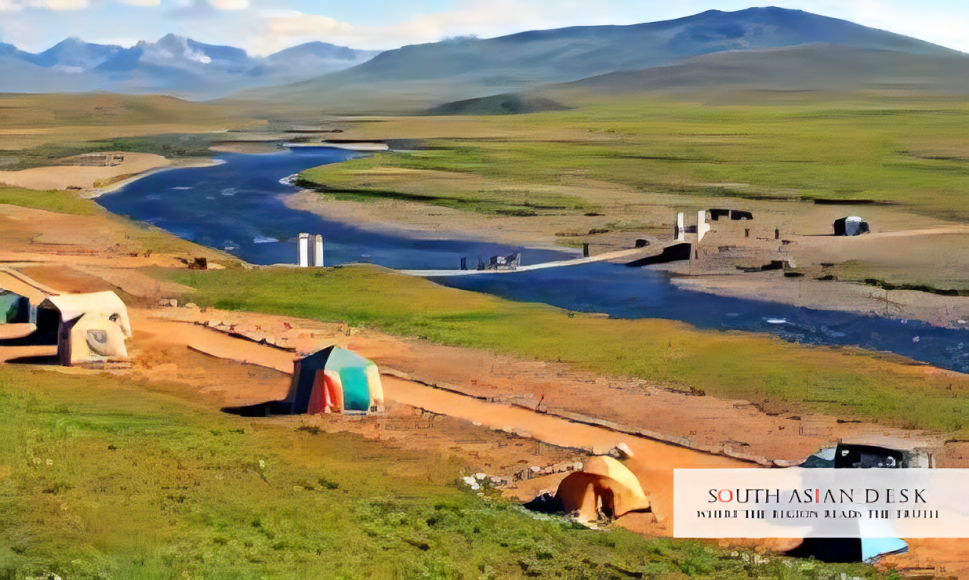
The Gilgit-Baltistan government issued the deosai national park ban through its Forest, Parks and Wildlife Department. A notification released on 17 December 2025 prohibits the establishment of seasonal hotels and other commercial operations inside the park for the upcoming tourist season. Authorities aim to safeguard the park’s delicate ecosystem and preserve its natural beauty.
Details of the Deosai Commercial Activities Ban
The notification explicitly bans the setup of seasonal accommodation facilities for tourists. It extends to other commercial ventures within park boundaries. Officials warn that violations will face legal action under wildlife and environmental laws.
The deosai commercial activities ban responds directly to unregulated tourism. Activities have caused habitat damage, pollution, and disruption to wildlife movement. Human pressure has intensified on this alpine plateau in recent years.
Reasons for the Gilgit Baltistan Deosai Ban
Deosai National Park sits at an average elevation of 4,114 metres above sea level. It spans approximately 358,400 hectares between Skardu and Astore districts. The park hosts unique biodiversity, including the Himalayan brown bear, wildflowers, and rare alpine flora.
Commercial operations threaten environmental degradation. Seasonal hotels, glamping sites, and related infrastructure contribute to soil erosion, waste accumulation, and disturbance to wildlife corridors. Authorities emphasise long-term conservation to maintain ecological balance.
A bear attack on singer Quratulain Balouch in September 2025 highlighted risks from increased human-wildlife interaction. That incident prompted a separate camping ban. The current gilgit baltistan deosai ban builds on those measures by targeting permanent and semi-permanent structures.
Impact of the Deosai Hotels Ban
The deosai hotels ban affects operators who set up temporary accommodations each summer. Tourists previously enjoyed overnight stays amid the plateau’s landscapes. Day visits remain permitted, as the park opens from June to November.
Tourism drives Gilgit-Baltistan’s economy. The region saw significant visitor growth in 2024, particularly in Baltistan division. Authorities now prioritise sustainable practices. They encourage accommodation development outside core protected zones.
Background on Deosai National Park
Deosai, often called the “Land of Giants”, ranks as the world’s second-highest alpine plateau. It supports a recovered population of Himalayan brown bears, once near extinction. Conservation efforts since the 1990s have restored bear numbers through protected status and community involvement.
The plateau bursts with wildflowers in summer. It attracts domestic and international visitors seeking its vast plains and pristine lakes, such as Sheosar Lake. Yet rapid tourism expansion has strained resources.
Unregulated setups have led to littering and habitat fragmentation. The deosai national park ban aligns with broader efforts to balance economic benefits with environmental protection in Pakistan’s northern areas.
What’s Next After the Ban
Enforcement begins ahead of the 2026 season. Relevant departments will monitor compliance. Officials urge hotel owners to relocate operations to designated areas outside the park.
The decision may redirect tourism revenue to nearby towns in Skardu and Astore. It promotes eco-friendly alternatives like guided day tours. Long-term plans could include stricter zoning and visitor caps.
The deosai national park ban underscores a commitment to preserving one of South Asia’s unique high-altitude ecosystems for future generations.
Published in SouthAsianDesk, December 18th, 2025
Follow SouthAsianDesk on X, Instagram, and Facebook for insights on business and current affairs from across South Asia.