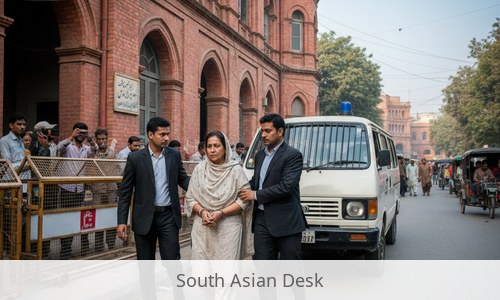
Bangladeshi law enforcement agencies had arrested 5,949 individuals across the country as of Sunday, December 21, 2025, under Operation Devil Hunt Phase 2, according to reports citing data from the Home Ministry.
The operation, relaunched on December 13, aims to recover illegal arms, suppress criminal activities, and maintain law and order in the lead-up to the upcoming parliamentary elections. Authorities inspected 20,333 motorcycles and 17,923 cars during the drive. Police seized 356 motorcycles for registration and other violations. The nationwide effort involves joint forces and continues without a specified end date.
Surge in Operation Devil Hunt Arrests
Operation Devil Hunt Phase 2 has resulted in a significant increase in detentions since its launch. The total of 5,949 arrests reflects cumulative figures over the first week.
Initial reports indicated 1,043 arrests in the first two days, with six weapons recovered. By December 18, the number reached 4,232, including 2,042 in a single 24-hour period. Assistant Inspector General AHM Shahadat Hossain of Police Headquarters confirmed early details on recoveries and arrests.
Joint forces set up checkposts at entry points to cities and conducted targeted raids. Operations focused on outstanding warrants, drug-related offences, and illegal arms possession. Dhaka Metropolitan Police reported hundreds of arrests in daily drives. For instance, 392 suspects were detained in the capital in one 24-hour period.
District-level actions contributed significantly. Arrests occurred in areas such as Moulvibazar, Tangail, Jessore, and Jamalpur, involving various charges. Devil Hunt Phase 2 arrests include individuals with prior warrants, as well as those detained during vehicle searches and raids.
Background on Bangladesh Operation Devil Hunt Phase 2
The original Operation Devil Hunt began in February 2025 after violence in Gazipur. That phase resulted in over 11,000 arrests, mainly targeting those linked to unrest.
Bangladesh’s Operation Devil Hunt Phase 2 was ordered following a meeting of the Home Ministry’s core committee on law and order. Home Adviser Lieutenant General (Retd) Md Jahangir Alam Chowdhury announced the immediate relaunch on December 13.
The decision responded to concerns over illegal firearms proliferation and potential threats to election stability. Officials prioritised recovering unsubmitted or looted weapons.
The drive aligns with efforts to address the growing security concerns. Reports highlight an increase in the misuse of arms in incidents over recent months.
Joint operations involve the police, the army, and other agencies. Coordination ensures coverage in urban and rural areas. Phase 2 builds upon previous measures, focusing on pre-election preparedness. Authorities emphasise public safety and deterrence of disruptive activities.
Vehicle inspections form a central component. Checks target unregistered vehicles and potential arms transport. The operation builds on lessons from the first phase, adapting to current challenges.
What’s Next for Operation Devil Hunt Phase 2
Operation Devil Hunt Phase 2 remains active with no fixed conclusion. Priorities include election security and ongoing arms recovery. Joint forces will maintain intensified patrols, checkposts, and raids across districts.
The Home Ministry commits to sustained vigilance. Adaptations will address any new threats. Monitoring continues to evaluate effectiveness. Law enforcement agencies coordinate closely for comprehensive implementation.
Public cooperation is encouraged in reporting suspicious activities. The drive seeks to foster a secure environment for the polls.
Published in SouthAsianDesk, December 21st, 2025
Follow SouthAsianDesk on X, Instagram, and Facebook for insights on business and current affairs from across South Asia.