Since December 2023, Afghanistan has witnessed a significant demographic shift with over 4.8 million Afghan migrant returns, increasing the nation’s population by 12%. This has resulted in an Afghanistan Population Surge. This influx is largely attributed to the repatriation plan initiated by Pakistan in September 2023, which has seen Afghan nationals returning from both Pakistan and Iran.
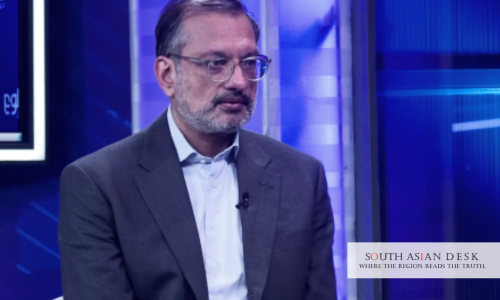
Arafat Jamal, the UNHCR Representative, highlighted that on a single summer day, 70,000 individuals entered Afghanistan through the Islam Qala border. He noted that 91% of these returnees have resettled in their home provinces, while others have begun new lives in major cities.
The return of migrants has brought attention to the demographic composition, with more than 50% being women and children, and 30% of families led by females. Jamal expressed concern over the challenges these groups face, particularly young girls uncertain of their futures.
Jamal criticized the expulsion methods employed by Iran and Pakistan, emphasizing the need for constructive dialogue to maintain positive relations. Despite efforts by the UN to engage stakeholders in discussions, political tensions, including the war in Israel, have hindered progress.
Looking forward, the UNHCR aims to ensure the voluntary and dignified return of Afghan migrants, positioning them as catalysts for peace and economic development. The agency continues to advocate for dialogue among regional players to address the complexities of migration.
Published in SouthAsianDesk, January 28th, 2026
Follow SouthAsianDesk on X, Instagram and Facebook for insights on business and current affairs from across South Asia.