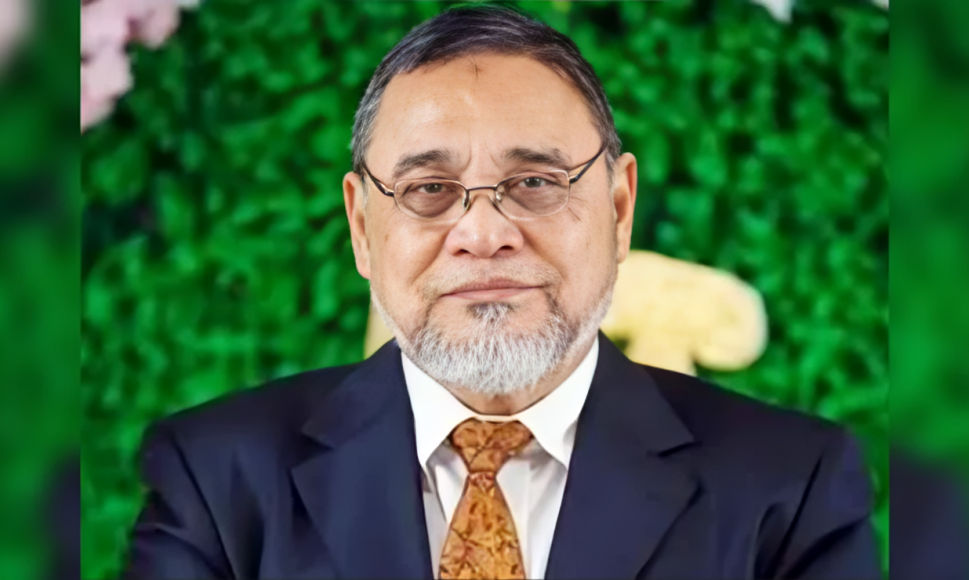
Chief Election Commissioner Nasir Uddin reveals Bangladesh Elections preparations ensuring a credible vote, but stakeholders urge more reforms to rebuild trust.
Bangladesh elections preparations have reached an advanced stage under CEC Nasir Uddin February 2026 election roadmap, with key voter list updates and legal amendments completed to foster a fair parliamentary poll.
The Election Commission of Bangladesh advances preparations for the 13th national parliamentary election set for the first half of February 2026. Chief Election Commissioner AMM Nasir Uddin announced this timeline on 25 September 2025 during a press briefing at Nirbachan Bhaban in Dhaka. The commission aims to conduct the polls before Ramadan begins, following directives from Chief Adviser Muhammad Yunus. Stakeholders including civil society and academics contribute through ongoing dialogues. Preparations address past voter distrust to ensure impartiality.
These developments matter across South Asia as Bangladesh’s transition from interim rule to elected governance influences regional stability. A credible election could strengthen democratic norms in a nation of 170 million, impacting trade ties with India and security pacts with Pakistan. Delays or disputes might exacerbate migration pressures and economic volatility, affecting the subcontinent’s interconnected markets.
Voter List Expansion Drives Bangladesh Elections Preparations
The core of Bangladesh elections preparations centres on updating the national voter roll. The commission completed a comprehensive revision by visiting households nationwide. This effort enrolled over 120 million eligible voters, reducing the gender gap from 7% in 2018 to under 2% now. Women voters now constitute 49.8% of the total, up from 48.2%.
CEC Nasir Uddin highlighted this milestone in a statement on 25 September. “We have compiled a vast voter list through door-to-door verification,” he said. This process involved 1.2 million enumerators and covered 95% of households by August 2025.
Data from the commission shows expatriate voting arrangements for 1.5 million overseas Bangladeshis. Polling stations will open in 22 countries, including major hubs in the UK and US. Applications opened on 1 September, with 800,000 submissions recorded so far.
Legal Reforms Bolster CEC Nasir Uddin February 2026 Election Roadmap
Nine electoral laws underwent amendments to align with the Representation of the People Order (RPO). Changes include stricter penalties for vote-buying and enhanced transparency in campaign financing. The commission rejected proportional representation for now, citing constitutional limits. “The February polls will follow RPO, as PR requires law changes,” CEC Nasir Uddin explained on 25 September.
The roadmap, first outlined in August 2025, sets mid-2026 as the completion target but accelerated to February per Yunus’s directive. On 9 August, Nasir Uddin confirmed the first-week slot, with exact dates to follow two months prior. This timeline responds to a 6 August letter from the Chief Adviser’s Office urging pre-Ramadan polls.
IT upgrades support these reforms. Postal ballot systems tested successfully allow one million election staff to vote remotely. Provisions extend to inmates, enabling 50,000 custodial voters to participate via secure channels.
Stakeholder Dialogues Shape Fair Polling Framework
The Election Commission launched stakeholder consultations on 28 September 2025 to refine Bangladesh elections preparations. A session with 12 civil society leaders, including Rasheda K Choudhury, convened at 10:40am in Agargaon. Nasir Uddin chaired the talks, broadcast live on the commission’s YouTube and Facebook pages.
Participants discussed gaps in reform commission recommendations. “Many issues have been raised; your input will fill remaining voids,” the CEC stated. A follow-up with 33 academics ran from 2:30pm to 4:30pm the same day.
These dialogues address indirect obstacles like administrative biases. At the Election Officers’ Conference-2025, Nasir Uddin assured neutrality. “The EC will issue no unlawful orders or favour any party,” he declared. Political parties, including BNP and Jamaat-e-Islami, welcomed the outreach but seek faster constituency redrawing.
Over 45,000 polling centres prepare nationwide, up 5% from 2018. Training for 500,000 officials starts in October, focusing on electronic voter ID verification.
Challenges in Rebuilding Voter Confidence
Bangladesh elections preparations face hurdles from eroded trust post-2024 unrest. CEC Nasir Uddin acknowledged apathy, with turnout dipping to 40% in recent locals. “People lost faith in the system; we work tirelessly to restore it,” he said at a Rangpur event on 9 August.
Youth unemployment at 4.48% fuels disengagement, per Bangladesh Bureau of Statistics 2024 data. The commission plans youth-focused campaigns, targeting 21% graduate jobless rates.
No major security threats reported yet, but the army chief Waker-Uz-Zaman stressed inclusive participation, including reformed Awami League elements.
Background: From Revolution to Reforms
The 2026 polls follow the July 2024 revolution that ousted Sheikh Hasina. Yunus’s interim government formed constitutional and election commissions in August 2024. Early roadmaps deferred locals to prioritise nationals. By December 2024, Nasir Uddin affirmed mid-2026 readiness, refined to February 2026 amid global pressure.
US and UK critiques of past polls as unfree spurred these changes. The interim setup avoids caretaker governments, per Hasina-era bans.
What’s Next in CEC Nasir Uddin February 2026 Election Roadmap
The commission announces the full roadmap next week, detailing nomination deadlines and campaign periods. Candidate registrations open in November, with final lists by January 2026. International observers from EU and Commonwealth expected. Yunus meets UN leaders in New York to affirm democratic handover.
Bangladesh elections preparations will culminate in a credible vote, testing the roadmap’s resilience.
Published in SouthAsianDesk, September 29th, 2025
Follow SouthAsianDesk on X, Instagram, and Facebook for insights on business and current affairs from across South Asia.