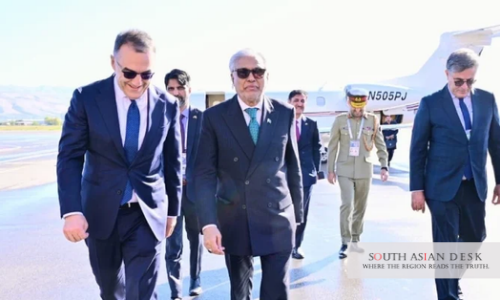
DHAKA: Bangladesh manpower export Uzbekistan gains momentum on Monday, August 25, 2025, at 4:35 PM. Foreign Affairs Adviser Md Touhid Hossain meets Uzbek Foreign Minister Bakhtiyor Saidov at the 80th UN General Assembly sidelines. Discussions focus on semi-skilled and skilled workers. A visa exemption for diplomatic passports facilitates ties. This initiative addresses Bangladesh’s unemployment while tapping Uzbekistan’s growth.
Bangladesh manpower export Uzbekistan holds significance in South Asia, where labour migration fuels USD 25 billion in annual remittances. It diversifies destinations beyond the Gulf, easing pressures on saturated markets in Saudi Arabia and UAE. This pact strengthens economic corridors linking South and Central Asia, potentially adding PKR 500 million in bilateral trade.
Bangladesh Uzbekistan Labour Agreement: Core Discussions

The Bangladesh Uzbekistan labour agreement emerges from high-level talks. Hossain underlines the potential of Bangladeshi workers in Uzbekistan’s expanding economy. Officials describe the visa exemption as a step forward in diplomatic and economic ties.
The meeting occurs at UN Headquarters in New York. Both sides agree to deepen cooperation in manpower, trade, investment, higher education, and connectivity. Bangladesh seeks to send workers in construction, textiles, and agriculture sectors. Uzbekistan’s economy grows at 6 per cent annually, per World Bank data. It requires 500,000 foreign workers yearly, mainly from Central Asia. Bangladesh, with 10 million overseas labourers, eyes a share. The Bangladesh Association for International Recruiting Agencies estimates 10,000 initial placements by 2026.
Expatriates’ Welfare Minister Imran Ahmad adds context. “We prioritise safe migration channels,” he states in a recent briefing. His ministry coordinates with the Bureau of Manpower, Employment and Training for skill certification. The agreement builds on 2023 diplomatic exchanges. Uzbekistan eases visa processes for South Asian applicants. Bangladesh offers training programmes aligned with Central Asian needs.
Bangladesh Workers Uzbekistan: Opportunities and Challenges
Bangladesh workers Uzbekistan face a structured pathway. The Bangladesh Overseas Employment and Services Limited handles recruitment. It targets semi-skilled roles like welders and electricians, paying USD 800 monthly on average.
Uzbekistan’s labour ministry reports demand in infrastructure projects. The Tashkent-Samarkand high-speed rail extension needs 5,000 hands. Bangladeshi firms like Orion Group bid for contracts. Challenges include language barriers and cultural adaptation. The International Organisation for Migration notes 20 per cent dropout rates for first-time Central Asian migrants. Bangladesh plans orientation camps in Dhaka.
Data shows Bangladesh’s manpower exports hit 800,000 in 2024, up 15 per cent. Remittances reached USD 22 billion. Uzbekistan contributes minimally now, but projections forecast USD 100 million inflows by 2027. The visa exemption covers diplomatic passports initially. Officials aim for ordinary worker visas by Q1 2026. This aligns with Uzbekistan’s 2025 labour code reforms, allowing 30-day work permits.
Bangladesh Manpower Export Uzbekistan: Economic Impacts
Bangladesh manpower export Uzbekistan boosts household incomes. A typical worker remits USD 5,000 yearly, supporting rural economies in Sylhet and Chittagong. The government earns USD 10 million in fees annually from similar pacts.
Uzbekistan gains skilled labour for its USD 100 billion GDP push. Bilateral trade stands at USD 50 million, focused on garments and pharmaceuticals. The agreement includes investment forums in Tashkent next month. Foreign Adviser Hossain states: “Bangladeshi workers can contribute significantly to Uzbekistan’s growing economy.” Uzbek Minister Saidov reciprocates on mutual benefits.
The Expatriates’ Welfare Ministry allocates BDT 200 million for training. It partners with Uzbekistan’s employment agency for joint certifications. Comparisons highlight advantages. Gulf jobs offer higher pay but harsher conditions. Central Asia provides family reunification options after two years.
Background: Evolution of Bangladesh Manpower Export Uzbekistan
Bangladesh manpower export Uzbekistan traces to 2018 diplomatic ties. Early focus centred on trade fairs in Dhaka. By 2020, exploratory missions identified labour gaps.
The COVID-19 pandemic stalled progress, with 200,000 returnees straining resources. Post-2022 recovery, Bangladesh resumes diversification. Existing pacts with Malaysia and Japan yield 300,000 jobs yearly. Uzbekistan’s reforms since 2017 open borders. It hosts 100,000 Indian workers; Bangladesh seeks parity. The UNGA meeting marks the first formal labour nod.
Historical data from the Bangladesh Bank shows remittances from new markets rose 25 per cent in 2024. Uzbekistan’s stable politics contrasts volatile Middle East routes. The agreement ties into the Belt and Road Initiative. Chinese-funded projects in Uzbekistan need South Asian subcontractors, creating 2,000 indirect jobs.
Bangladesh Uzbekistan Labour Agreement: Stakeholder Roles
The Bangladesh Uzbekistan labour agreement involves key players. The Ministry of Foreign Affairs leads diplomacy. The Labour Ministry oversees compliance. Private agencies like BMET-registered firms prepare candidates. They conduct health checks and skill tests, costing BDT 50,000 per worker. Uzbekistan’s side includes the Ministry of Employment and Poverty Reduction. It sets quotas at 20,000 annually for South Asia.
Quotes from officials emphasise equity. “Safe channels protect our workers,” says a ministry spokesperson. Uzbek counterparts stress fair wages. Implementation starts with a joint committee meeting in October 2025. It drafts MoUs on dispute resolution and insurance.
What’s Next for Bangladesh Workers Uzbekistan
Future steps include pilot batches of 500 workers by December 2025. Training centres in Gazipur adapt curricula for Uzbek standards. The government eyes expansions to Kazakhstan and Kyrgyzstan, targeting 50,000 placements regionally by 2030. IMF projections link this to 2 per cent GDP growth via remittances. Bilateral forums in 2026 will review progress. Investments in vocational tech could add BDT 1 billion.
Bangladesh workers Uzbekistan initiative promises sustainable migration. It balances supply with demand in evolving geopolitics. Bangladesh manpower export Uzbekistan positions Dhaka as a labour hub. As ties deepen, it heralds balanced growth across Asia.
Published in SouthAsianDesk, September 28th, 2025
Follow SouthAsianDesk on X, Instagram, and Facebook for insights on business and current affairs from across South Asia.