Bangladesh women candidates number just 110 out of 2,582 total aspirants for the February 2026 polls. Nominations closed on Sunday, December 29, 2025. The Election Commission will scrutinise papers from Monday, January 6, 2026. Independents lead with 40 women, while major parties lag.
Low gender representation in the February 2026 polls reflects broader barriers for women in South Asian politics. Bangladesh reserves 50 seats for women, but direct elections see few female nominees. This trend affects regional efforts toward equality, as neighbouring countries like India and Pakistan also struggle with similar issues in electoral inclusion.
Gender Representation Challenges Among Bangladesh Women Candidates
Independent Bangladesh women candidates form the largest group with 40 nominees. The Bangladesh Nationalist Party nominated 10 women across 13 constituencies. The National Citizen Party fielded 3 women out of 47 candidates. Jatiya Party under GM Quader has 5 women.
Smaller parties show varied commitment. Bangladesh Samajtantrik Dal and BASAD together have 14 women. Insaniat Biplab Bangladesh nominated 6. Jatiya Samajtantrik Dal also has 6. Ganasanghati Andolon, Ganaadhikar Parishad, and AB Party each have 3 to 4.
Jamaat-e-Islami nominated no women for the February 2026 polls. The party relies on reserved seats for representation. At least seven registered parties nominated one woman each.
The 4% candidates figure marks a slight rise from past elections. In 2018, women made up about 3% of nominees. Rights groups call these symbolic gestures. Urban areas like Dhaka and Chittagong see more women nominees.
Mainuddin Tito, office secretary of Insaniat Biplab Bangladesh, stated: “Even if a party is inspired by religion, the state belongs to everyone. Political participation must reflect that.”
Breakdown of 4% Candidates in February 2026 Polls
The Election Commission reported 2,582 nomination papers submitted. Dhaka division had the highest at 598. Chittagong followed with 425. Barisal had the lowest at 176.
Among parties, BNP submitted 331 nominations. Jamaat-e-Islami filed 276. Jatiya Party (Ershad) under the National Democratic Front alliance has 224.
Independents total 478. Women independents often run after failing to secure party tickets. This highlights internal party biases against women in winnable seats.
The draft July Charter from the National Consensus Commission proposes a 5% minimum for women nominations. No major party meets this except NCP at over 6%. Long-term target is 33% parliamentary representation.
Voter data from the Election Commission shows 127 million registered voters. Women voters number 62.8 million, or 49.2%. Female voter growth outpaced males at 4.16% versus 2.29%.
Despite equal rights in the constitution, structural reforms lag. Parties cite electability concerns for low nominations.
Background on Gender Representation in Bangladesh Politics
Bangladesh reserves 50 parliamentary seats for women since 1972. These are allocated proportionally to elected parties. Direct seats remain male-dominated.
In the 12th parliament, women held 20 direct seats out of 300. Reserved seats brought total to 70. Sheikh Hasina’s government had several women ministers.
Post-Hasina ouster in August 2025, interim government led by Muhammad Yunus prioritised reforms. The February 2026 polls mark the first since major unrest.
Historical data shows gradual increase. In 2008, women nominees were under 2%. Advocacy from groups like Bangladesh Mahila Parishad pushed for quotas. Regional context shows similar patterns. India’s Lok Sabha has 14% women. Pakistan’s National Assembly has 20% through quotas. South Asia averages below global 26%.
Climate and economic factors influence participation. Women in rural areas face mobility issues. Urban education aids visibility. Party alliances for the February 2026 polls include Like-minded 11 Parties with Jamaat and NCP. BNP allies with Jatiya Party factions.
Awami League suspension leaves a vacuum. Former members run as independents. Few are women.
What’s Next for Bangladesh Women Candidates
Scrutiny ends on January 9, 2026. Appeals follow until January 12. Symbols allocation on January 13. Campaigning starts then, ends February 10. Final list may reduce the 4% candidates figure. Withdrawals possible by January 16.
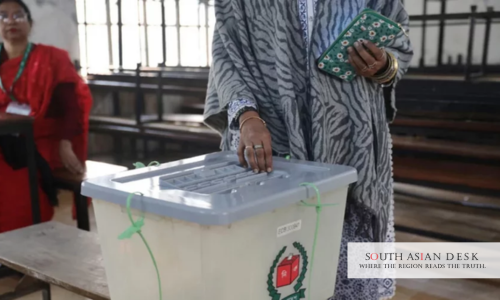
Voters cast ballots on February 12. Results could shape gender policies. Observers call for quotas in direct seats to boost Bangladesh women candidates.
Published in SouthAsianDesk, January 2nd, 2026
Follow SouthAsianDesk on X, Instagram and Facebook for insights on business and current affairs from across South Asia.