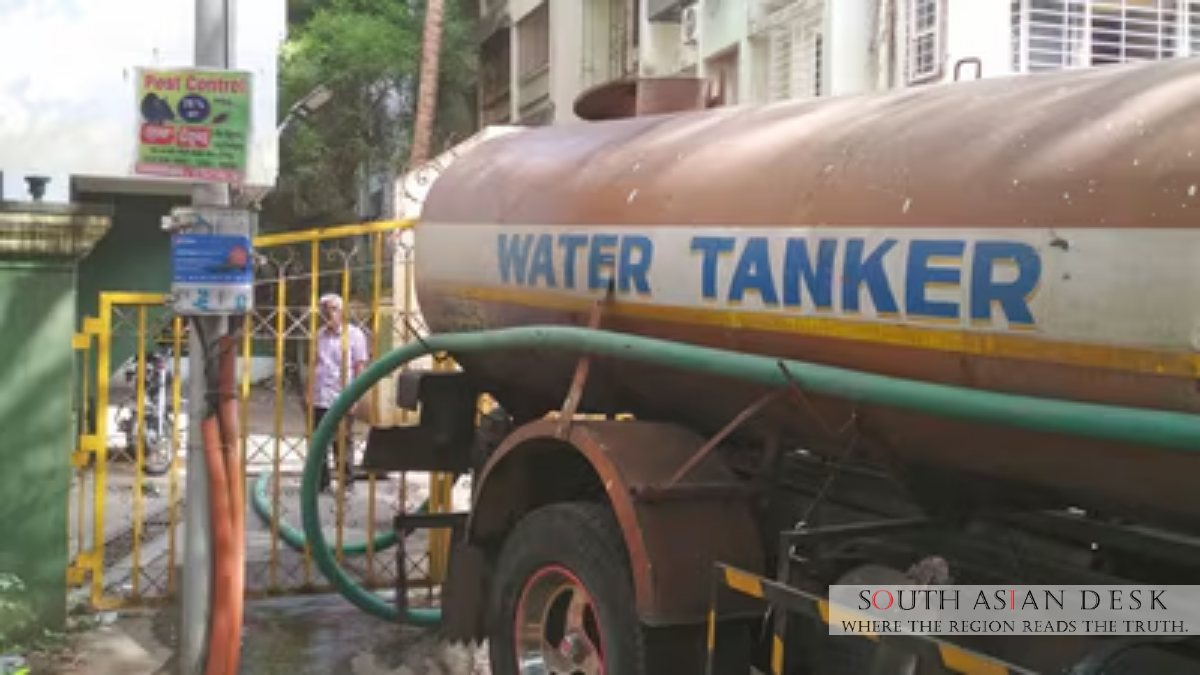
Delhi has achieved a significant milestone in Delhi groundwater management by recharging more water than it extracted in 2025, according to the latest report from the Central Groundwater Board (CGWB). The report, dated November 2025 and recently published, indicates that Delhi extracted 0.32 billion cubic metres (bcm) of groundwater but managed to recharge 0.38 bcm back into the ground.
The report highlights that Delhi’s extraction rate was 92.1% for 2024-25, marking a substantial decrease from previous years when the rate exceeded 100%. In 2023-24, the extraction rate was 100.77%, while in 2022-23 and 2021-22, it was 99.13% and 98.16%, respectively. The alarming rate of 119.6% in 2017-18 has been significantly reduced, showcasing the success of water management efforts.
Across Delhi’s 34 assessment units, improvements were noted with 21 units classified as either ‘overexploited’ or ‘critical’ in 2024-25, down from 27 in 2023-24. The number of ‘safe’ units increased from five to seven within the same period, highlighting a positive trend in groundwater conservation.
The residential sector accounted for 0.23 bcm of groundwater extraction, while 0.08 bcm was used for irrigation. Recharge was achieved through both monsoon and non-monsoon seasons, with 0.20 bcm recharged during the monsoon months. Rainfall contributed 0.12 bcm to the recharge, with additional contributions from canals, surface water irrigation, and rainwater harvesting structures.
Shashank Shekhar, an assistant professor at Delhi University, emphasized the importance of suitable recharge structures and the reduction of illegal groundwater extraction as key factors in this positive trend. He anticipates that these efforts will continue to yield benefits, leading to a steady increase in the groundwater table.
Published in SouthAsianDesk, April 26, 2026
Follow SouthAsianDesk on X, Instagram and Facebook for insights on business and current affairs from across South Asia.