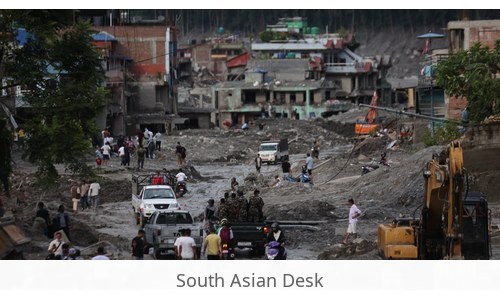
Nepal floods: Thirteen bodies have been discovered in the Gandak River in Uttar Pradesh, India, believed to be linked to recent devastating Nepal floods. On September 1, 2026, Indian authorities confirmed the discovery of 13 bodies in the Gandak River, suspected to have been swept downstream from Nepal’s recent floods. The Indian Ministry of External Affairs reported 158 Indian nationals rescued in Nepal, while the confirmed death toll from Nepal floods has reached 903 with over 4,200 still missing.
Nepal Floods: Cross-Border Disaster Management
Indian officials are collaborating with Nepal to identify and repatriate the deceased, emphasizing the need for regional coordination in cross-border disaster management. The Gandak River, which flows through both countries, has become a critical corridor for humanitarian response Nepal, with the discovery of Uttar Pradesh bodies highlighting the transnational impact of the crisis. Nepal’s search and rescue operations remain critical as thousands remain unaccounted for.
The river’s transboundary nature has long posed challenges for disaster management, with both nations relying on shared infrastructure and emergency protocols. In recent years, India and Nepal have formalized agreements to streamline disaster response, including joint training exercises and shared early warning systems.
However, the scale of this crisis has tested the resilience of these frameworks, underscoring the need for more robust, real-time coordination mechanisms. The repatriation process involves forensic identification and documentation, a task complicated by the lack of immediate access to the flood-affected areas in Nepal. Indian officials have stressed the importance of expediting this process to provide closure to families and ensure proper rites are conducted.
Impact of Climate Change on Flood Patterns
The Nepal floods, exacerbated by heavy monsoon rains, highlight growing concerns over climate change’s role in intensifying extreme weather events across South Asia. Experts warn that shifting rainfall patterns and rising temperatures are increasing flood risks in the region. Regional strategies, including improved early warning systems and transboundary water management, are urgently needed.
The monsoon season in South Asia has historically been erratic, but recent decades have seen a marked increase in the frequency and severity of extreme rainfall events. Studies indicate that rising temperatures are altering atmospheric moisture levels, leading to more intense precipitation in short periods. This phenomenon has been particularly pronounced in the Himalayan region, where glacial melt and deforestation have exacerbated runoff. Nepal, with its rugged terrain and dense river networks, is especially vulnerable.
The Bhotekoshi River, which flows into the Gandak, has seen a surge in flash floods linked to these climatic shifts. The current crisis has reignited debates over the adequacy of existing infrastructure, such as dams and drainage systems, which were designed for historical rainfall patterns now rendered obsolete by climate change. Regional experts have called for a unified approach to climate adaptation, including investments in resilient infrastructure and community-based disaster preparedness programs.
Humanitarian Response and International Aid
Local and international agencies are mobilizing resources to address the crisis. The United Nations has called for increased climate financing to support vulnerable nations. Nepal’s government has appealed for global solidarity, emphasizing the interconnectedness of regional disasters and the need for collective action.
The humanitarian response to the Nepal floods has involved a multi-pronged approach, combining immediate relief efforts with long-term recovery planning. In Nepal, relief camps have been set up for displaced families, while medical teams are treating injuries from landslides and drowning. The United Nations Office for the Coordination of Humanitarian Affairs (OCHA) has deployed teams to assess needs, with a focus on food, clean water, and shelter. International donors, including the World Bank and Asian Development Bank, have pledged funding for reconstruction, though delays in disbursement remain a concern.
The hydropower sector, a key economic driver in Nepal, has also been impacted, with projects like the Trishuli Hydroelectric Project reporting missing workers. This has raised questions about the safety of infrastructure in flood-prone areas and the need for stricter regulatory oversight. Meanwhile, the Indian government has offered logistical support, including the use of its border infrastructure to facilitate aid transport. The crisis has also prompted discussions on the role of diaspora communities in fundraising and volunteer efforts, highlighting the transnational dimensions of disaster response.
Follow SouthAsianDesk on X, Instagram and Facebook for insights on business and current affairs from across South Asia.
Sources
- Nepal flash floods aftermath LIVE: Nepal PM demands int’l climate action in wake of disaster – thehindu.com
- Express in Nepal: How hydropower firm is planning search for 150 missing staff – indianexpress.com
- Nepal flooding deaths surpass 900 as needs climb – news.un.org
- Bodies continue to be found in India, toll reaches 13 as Bhotekoshi flood link suspected – english.onlinekhabar.com
- Nepal flood rescue mission enters critical phase as thousands remain missing – ariananews.af
- ‘Nothing is usable’: Nepal residents return to flood-ravaged homes – aljazeera.com
Image: images.indianexpress.com