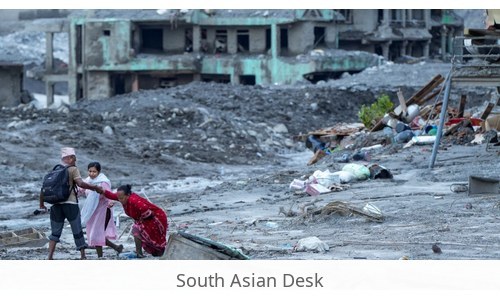
Nepal floods have left a devastating toll on the country, with over 900 lives lost and more than 4,000 individuals still missing as rescue operations intensify. On August 31, 2026, Prime Minister Balendra Shah described the disaster as ‘unimaginable and heartbreaking,’ emphasizing the urgency of reaching workers trapped in hydropower project tunnels affected by catastrophic Nepal floods. The floods, triggered by a sudden collapse of ice and rock in the Himalayas on August 26, 2026, have devastated communities along the Bhotekoshi river floods, with the search and rescue mission entering a critical phase.
Nepal Floods: Government Response
Prime Minister Balendra Shah’s statement underscored the gravity of the situation, as authorities mobilize resources to locate survivors and provide relief. The Nepalese government has declared a state of emergency in affected regions, deploying military and paramilitary personnel to assist in Nepal rescue operations. Coordination with international aid organizations has also been initiated to address the scale of the crisis. Communities in the Bhotekoshi and Trishuli river systems remain under severe threat, with reports of damaged infrastructure complicating access to affected areas. The state of emergency declaration has enabled the government to bypass bureaucratic hurdles in allocating funds and resources, though challenges persist in coordinating efforts across multiple agencies and ensuring timely delivery of aid to remote regions. Military units have been deployed to clear debris from roads and establish temporary shelters, while paramilitary forces are focusing on search-and-rescue operations in the mountainous terrain where hydropower tunnels are located. International partners, including the United Nations and regional neighbors, have pledged support, though logistical constraints and the remote nature of the affected areas are slowing the pace of assistance.
Impact of Climate Change
The Nepal floods highlight the country’s increasing vulnerability to natural disasters, exacerbated by climate change Nepal and inadequate infrastructure. Rising temperatures and erratic weather patterns have intensified glacial melt, increasing the frequency of such catastrophic events. Experts warn that without significant investment in climate-resilient infrastructure, similar disasters could become more frequent and severe. The incident has reignited debates about the need for sustainable development practices in mountainous regions prone to such risks. Nepal’s geography, characterized by steep slopes and glacial lakes, makes it particularly susceptible to flash floods and landslides during the monsoon season. Historical data shows that the country has experienced a rise in extreme weather events over the past two decades, with glacial lake outburst floods (GLOFs) becoming a recurring threat. The current disaster underscores the urgency of implementing early warning systems and improving infrastructure to withstand such events. However, funding for climate adaptation remains a challenge, with Nepal relying heavily on international aid and bilateral agreements for disaster mitigation projects.
Ongoing Rescue Operations
Rescue teams continue to work tirelessly to locate individuals trapped in hydropower project tunnels and other affected areas. However, the effectiveness of Nepal’s disaster response mechanisms is under scrutiny, with critics pointing to delays in mobilizing resources and gaps in early warning systems. The government has pledged to review its disaster preparedness protocols in the wake of the crisis, though immediate challenges remain in reaching remote communities and providing medical care to the injured. The hydropower tunnels, which are critical for Nepal’s energy infrastructure, have become focal points of the rescue efforts, as workers trapped inside are at risk of further collapse or flooding. Rescue teams are using drones and thermal imaging technology to locate survivors in the tunnels, but the rugged terrain and limited access have hampered progress. Additionally, the scale of the disaster has exposed weaknesses in Nepal’s emergency management framework, including the lack of standardized procedures for coordinating multi-agency responses and the need for better training for local disaster response units. International experts have called for a comprehensive overhaul of Nepal’s disaster risk reduction strategies, emphasizing the importance of community-based preparedness and investment in resilient infrastructure.
Follow SouthAsianDesk on X, Instagram and Facebook for insights on business and current affairs from across South Asia.
This report focuses on Nepal floods and the verified developments surrounding it.
Sources
- Nepal flash floods LIVE: Death toll goes past 900; over 4,000 still missing – thehindu.com
- Nepal floods: The Himalaya are not a blank canvas for grand infrastructure – indianexpress.com
- Nepal races to rescue trapped workers, as flood death toll surpasses 900 – aljazeera.com
- No people found trapped in Rasuwa Hydropower Tunnel, army team returns to Dhunche – english.onlinekhabar.com
- The Himalayas Are Warning Us – businessbhutan.bt
Image: images.indianexpress.com