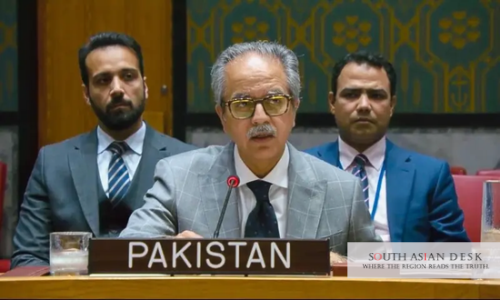
Islamabad, Pakistan – Pakistan Defence Minister Khawaja Asif stated on Tuesday that Pak-Afghan relations not good, citing historical enmity since Pakistan’s founding as relations remain strained over terrorism and border issues. In an interview, Asif highlighted Afghanistan’s role in sheltering militants. The remarks come as Pakistan faces rising attacks from groups like the Tehreek-i-Taliban Pakistan (TTP). This affects regional stability in South Asia.
Tensions between Islamabad and Kabul have simmered for decades, but Asif’s blunt assessment underscores a critical juncture. His words signal potential shifts in Pakistan’s diplomatic priorities, raising questions about future border security and counter-terrorism efforts.
Historical Roots of Strained Ties
Khawaja Asif Pak Afghan relations not good assessment draws from deep historical grievances. Afghanistan recognised Pakistan last among nations in 1947, setting a tone of distrust. Over 78 years, disputes over the Durand Line border have fuelled conflicts. Asif noted this in his recent interview.
Pakistan Afghanistan strained ties Asif interview reveals no era of true alliance. “Afghanistan was the last country to recognise Pakistan. In these 77 or 78 years, Afghanistan has had neither friendship nor brotherhood with us,” Asif said. These words echo long-standing complaints from Islamabad about Kabul’s support for Pashtun irredentism.
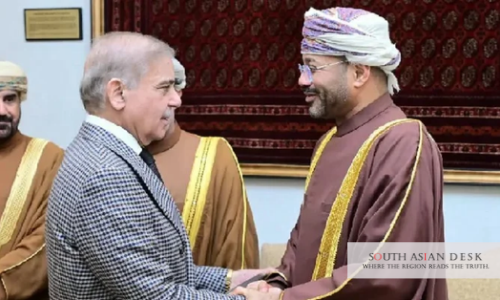
Official records support this view. A 2023 press release from Pakistan’s Ministry of Foreign Affairs (MoFA) detailed a high-level delegation visit to Kabul led by Asif. The group met Taliban leaders including Deputy Prime Minister Mullah Abdul Ghani Baradar and Foreign Minister Amir Khan Muttaqi. Discussions focused on TTP threats. “The two sides agreed to collaborate to effectively address the threat of terrorism posed by various entities and organisations,” the release stated. Both nations pledged to strengthen ties, yet incidents persist.
Data from Pakistan’s government shows the toll. In 2024, TTP claimed responsibility for over 200 attacks, many originating from Afghan soil, per Inter-Services Public Relations (ISPR) reports. Border clashes rose 15% in the first nine months of 2025, according to MoFA briefings. These numbers highlight why Asif views Afghanistan as hostile.
Current Tensions in Pak-Afghan Relations
Pakistan Afghanistan strained ties Asif interview, conducted amid Taliban Foreign Minister Amir Khan Muttaqi’s visit to India, exposes sharp contrasts. While Kabul warms to New Delhi, Islamabad feels sidelined. Asif dismissed concerns over the India trip but used it to pivot to Pak Afghan relations not good reality.
In the interview with TOLOnews, Asif urged Pakistan to identify true allies. “This does not worry me, but as a politician and a Pakistani, I say that we must identify our friends and enemies. We must look at history,” he remarked. The Taliban visit to India marks a thaw after four years of steady ties, per Indian analyst M J Akbar. “It’s a very important visit because it shows that the world is reaching out… Nobody expected that relations with the Taliban would reach a point where we would actually have an official visit from their foreign minister,” Akbar said.
A September 2025 statement from Defence Minister Asif reinforces this. Addressing accusations of Taliban backing militants, he declared Afghanistan a “hostile country” in a speech reported by Afghanistan International. Pakistan alleges TTP uses Afghan bases for strikes killing hundreds. UN intelligence assessments confirm TTP presence in Afghanistan, with some Taliban members joining ranks.
MoFA’s latest briefing on 12 September 2025 touched indirectly on regional security. Spokesperson Mumtaz Zahra Baloch emphasised Pakistan’s commitment to counter-terrorism cooperation. “Pakistan respects the sovereignty and territorial integrity of Afghanistan and is looking forward to working together,” she said in a March 2025 transcript, updated for ongoing dialogue. Yet, no joint operations have materialised, per official logs.
Economic fallout adds pressure. Trade via the Torkham border dropped 20% in 2025, hitting PKR 150 billion in losses, according to Pakistan Bureau of Statistics data. Deportations of Afghan refugees, over 500,000 since 2023, strain ties further. Kabul rejected Pakistan’s claims linking Afghans to a Jaffer Express attack, calling the 31 March 2025 deadline – coinciding with Eid – insensitive.
Impact on South Asia’s Security Landscape
This story matters in South Asia because Pak Afghan relations not good ripple across borders. Instability fuels refugee flows into Iran and India, strains NATO remnants, and empowers groups like ISKP. Pakistan’s nuclear arsenal near volatile frontiers heightens risks. If Islamabad pivots from Kabul, it could align closer with Saudi Arabia, as hinted in Asif’s recent pacts.
India benefits from Afghanistan’s outreach, securing Central Asian routes bypassing Pakistan. Yet, escalation could draw in China via CPEC projects worth PKR 2 trillion. South Asian nations like Bangladesh and Sri Lanka watch warily, fearing terror spillovers. Asif’s call for a policy review signals Islamabad may harden stances, potentially closing trade corridors vital for landlocked Afghanistan.
Border fencing, 90% complete at PKR 500 million per kilometre, aims to curb infiltration but sparks clashes. In 2025, 45 incidents killed 120 personnel, ISPR data shows. These facts underscore why strained ties demand urgent diplomacy.
Taliban Response and Diplomatic Moves
Kabul has countered Pakistan’s narrative. Taliban spokesperson Zabihullah Mujahid stated in a 20 March 2025 MoFA-referenced briefing that Afghanistan rejects terrorism accusations. “We invite neighbouring countries to sit together to devise a plan against terrorism,” echoing Prime Minister Shehbaz Sharif’s words.
A February 2023 MoFA release remains the benchmark for cooperation. Asif’s delegation secured pledges on TTP, but implementation lags. Recent VOA interviews with Asif stress no desire for conflict. “We do not want to have an armed conflict with Afghanistan,” he told reporters in March 2024, a stance reiterated in 2025 contexts.
Background: Decades of Border Disputes
The Durand Line, drawn in 1893, divides Pashtun tribes, igniting claims since 1947. Wars in 1948, 1961, and 1970s saw Afghan incursions. Post-9/11, millions of refugees crossed, costing Pakistan PKR 1 trillion in aid, per government audits.
TTP resurgence post-2021 Taliban takeover marks a low. UN reports note 6,000 TTP fighters in Afghanistan, launching 2025 attacks like the North Waziristan strike killing seven soldiers. Pakistan’s intelligence-based operations targeted bases, drawing retaliation.
Asif’s role evolved from Foreign Minister (2013-2017) to Defence lead since 2022. His 2023 Kabul trip yielded temporary calm, but 2025 sees renewed vows. Saudi defence pacts, discussed in September 2025, position Pakistan for broader alliances.
What’s Next for Bilateral Engagement
Forward-looking, experts predict a November 2025 summit. Asif hinted at reviewing ties, possibly blocking Afghan-India trade routes. MoFA plans envoy-level talks. Success hinges on Taliban curbing TTP, per UN benchmarks. Pakistan Afghanistan strained ties Asif interview may catalyse change, but history tempers optimism. Khawaja Asif Pak Afghan relations not good outlook demands vigilance to avert wider conflict.
Published in SouthAsianDesk, October 8th, 2025
Follow SouthAsianDesk on X, Instagram, and Facebook for insights on business and current affairs from across South Asia.