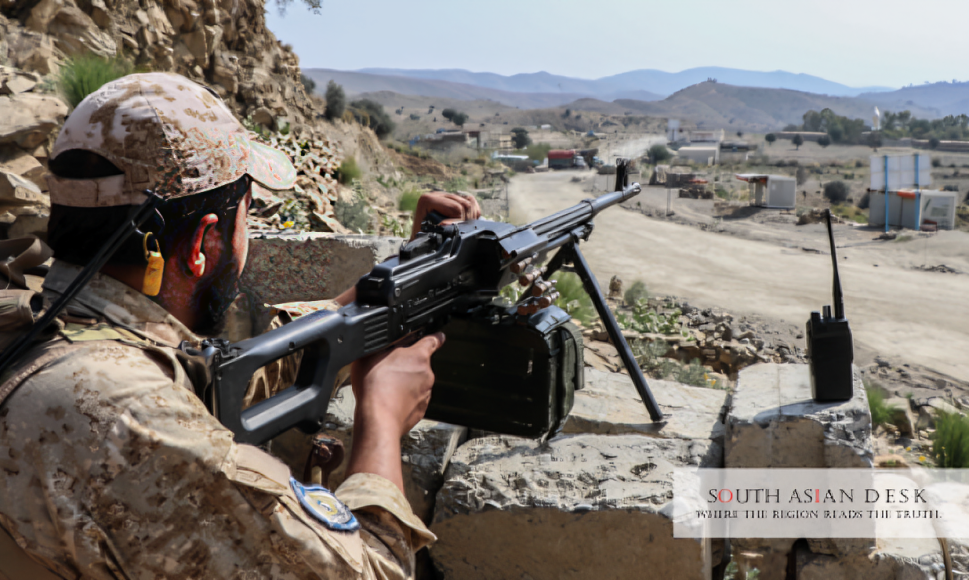
Pakistan-Afghanistan talks deep mistrust overshadowed three days of negotiations in Istanbul on Tuesday, October 28, 2025, where delegations failed to secure a lasting truce. Mediated by Qatar and Türkiye, the summit addressed cross-border violence that killed over 50 since mid-October. No agreement emerged, per Pakistani officials.
This impasse exacerbates tensions in South Asia, where porous borders fuel militancy and displace thousands. Failure risks wider instability, drawing in regional powers like China and Iran, and straining trade routes vital to economies in Khyber Pakhtunkhwa and Kandahar. With 2025 casualties already surpassing last year’s 2,500 mark, the stakes threaten humanitarian crises and economic fallout across the subcontinent.
Istanbul Talks Deep Mistrust
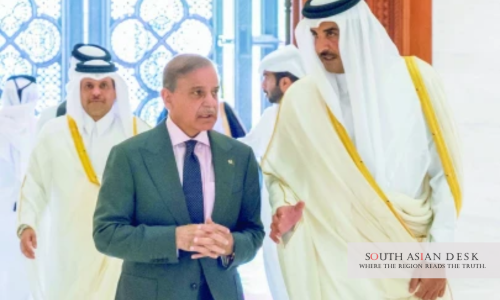
Delegations from Pakistan and Afghanistan convened in Istanbul for what sources described as a last-ditch effort to build on a fragile ceasefire signed in Doha on October 19, 2025. The initial accord halted a week of fierce clashes that claimed dozens of lives, including five Pakistani soldiers and 25 fighters in Spin Boldak, Kandahar Province. Yet, by Tuesday evening, the process stalled without progress.
Pakistan’s core demand centred on Afghanistan’s crackdown against the Tehreek-e-Taliban Pakistan (TTP), a group Islamabad accuses of operating from Afghan soil. Afghan representatives, led by Haji Najib, deputy minister for administrative affairs at the Ministry of Interior, rejected these claims. They insisted the TTP issue remains a domestic concern for Pakistan.
A Pakistani security official, speaking anonymously, told media outlets that the Afghan side shifted positions mid-talks due to “instructions from Kabul.” This fueled accusations of bad faith. On the Afghan end, officials pointed to Pakistani negotiators’ lack of clarity and frequent walkouts from the table.
The three-day marathon, stretching nearly 18 hours on Monday, October 27, 2025, exposed layers of Pakistan-Afghanistan talks deep mistrust. Mediators from Qatar and Türkiye shuttled proposals, but ideological divides proved insurmountable. The TTP, formed in 2007 amid the US-led war on terror, shares ties with the Afghan Taliban, complicating any severance.
Pak-Afghan Peace Impasse Deepens in October
October’s violence set the stage for this breakdown. Clashes erupted on October 15, 2025, near the Durand Line, killing several civilians alongside troops. Afghanistan accused Pakistan of air strikes that breached the Doha truce, while Pakistan reported ambushes by TTP militants.
Data from the Armed Conflict Location & Event Data Project (ACLED) underscores the surge. The TTP launched at least 600 attacks or clashes in the past year, with 2025 activity already outpacing all of 2024. Most incidents cluster in Pakistan’s Khyber Pakhtunkhwa and Balochistan provinces, displacing over 100,000 residents since January.
Afghan Defence Minister Mullah Mohammad Yaqoob Mujahid, who co-signed the Doha ceasefire with his Pakistani counterpart Khawaja Muhammad Asif, addressed the root causes in an October 19 interview. “There is no universal or clear definition of terrorism,” he said. “Any government can brand its adversaries as terrorists for its own agenda.”
Pakistan’s Ministry of Foreign Affairs echoed calls for action in a October 24 press briefing. Spokesperson Tahir Andrabi welcomed the Doha step but urged sustained commitment. “We welcome the agreement… as a first step in ensuring regional stability,” the transcript states. Yet, no follow-up release addressed the Istanbul falter directly.
By Wednesday, October 29, 2025, at 4:35 PM, news of the collapse spread. Pakistan’s Information Minister Attaullah Tarar confirmed to Associated Press that talks yielded “no workable solution.” He highlighted the TTP’s role, noting over two dozen Pakistani soldiers killed in recent ambushes.
Historical Roots of the Divide
Relations soured sharply after the Taliban’s 2021 return to power in Kabul. Pakistan, once a key backer, now faces blowback from groups like the TTP and Balochistan Liberation Army (BLA), which it links to Afghan havens. Kabul denies sheltering these outfits and counters that Pakistan harbours anti-Taliban figures.
This cycle mirrors decades of proxy conflicts. Pakistan’s interventions in Afghanistan during the 1980s Soviet era bred resentment. Today, the TTP demands release of jailed members and reversal of tribal areas’ merger into Khyber Pakhtunkhwa.
Regional actors have nudged diplomacy. China hosted preliminary talks in early October, while Iran and Russia pressed the Taliban to curb cross-border threats. At the ASEAN summit in Malaysia, US President Donald Trump pledged quick resolution, hinting at economic levers like aid packages.
Analysts trace the impasse to ideological bonds. Baqir Sajjad Syed, a former Pakistan fellow at the Wilson Center, noted: “The core issue is ideological alignment. The Afghan Taliban’s dependence on TTP for dealing with internal security problems makes it difficult for them to dissociate.”
Ihsanullah Tipu Mehsud, an Islamabad-based security expert, added historical parallels. “We have seen this same attitude from the Afghan Taliban in 2001, when they remained steadfast with Al-Qaeda post-9/11.”
Journalist Sami Yousafzai warned of escalation risks. “The Afghan Taliban are war veterans and can withstand military pressure.” He cautioned that Pakistani strikes might kill civilians, stoking anti-Pakistan sentiment and bolstering TTP recruitment.
Economic and Humanitarian Toll
The Pak-Afghan peace impasse in October exacts a heavy price. Trade via the Torkham and Chaman crossings, worth PKR 1.2 billion monthly, has halved amid closures. Fuel shortages in Peshawar and Kandahar drive prices up 30 per cent.
Humanitarian agencies report 50,000 displaced in border zones. The UN Office for the Coordination of Humanitarian Affairs (OCHA) estimates PKR 500 million needed for aid in the next quarter. Water scarcity worsens as skirmishes disrupt shared aquifers.
Pakistan’s Defence Minister Asif threatened “open war” if talks fail, signalling potential operations against TTP bases. Afghanistan’s Taliban vowed a “decisive response” to any aggression, per a KabulNow report on October 29, 2025. A Taliban source stated: “We will not tolerate violations of our sovereignty.”
This rhetoric amplifies Pakistan-Afghanistan talks deep mistrust. Mediators now eye venue shifts, perhaps to Moscow or Beijing, to revive dialogue.
Background: From Doha to Deadlock
The Doha ceasefire marked a rare win. Signed October 19, 2025, it paused fighting after clashes killed 30 on both sides. National Assembly Speaker Sardar Ayaz Sadiq hailed it as a “positive step” in an October 19 press release.
Yet, violations persisted. Afghanistan claimed Pakistani drones struck Nangarhar Province on October 22, killing three. Pakistan denied this, blaming TTP infiltrators.
Prior rounds in May and July 2025 yielded minor confidence-building measures, like joint border patrols. But core issues, militant extraditions and water rights lingered.
The Istanbul venue, neutral ground in Türkiye, hosted over 20 officials. Sessions covered security, trade, and refugees. A proposed joint commission on TTP dissolved in acrimony.
What’s Next: Paths to De-escalation
Prospects hinge on external pressure. Qatar’s Foreign Ministry signalled continued mediation, while Türkiye’s President Recep Tayyip Erdogan offered to host follow-ups. Trump’s ASEAN remarks suggest US involvement, possibly via sanctions relief.
Analysts predict short-term calm but warn of winter offensives. “Economic incentives could encourage compliance,” Syed suggested, citing Trump’s Thailand-Cambodia model.
For now, troops reinforce the 2,640-km border. Patrols intensify, and evacuations proceed in high-risk areas. The Pak-Afghan peace impasse in October tests regional resilience, with hopes pinned on quiet diplomacy.
In this fragile landscape, Pakistan-Afghanistan talks deep mistrust remains the biggest barrier to enduring peace.
Published in SouthAsianDesk, October 29th, 2025
Follow SouthAsianDesk on X, Instagram, and Facebook for insights on business and current affairs from across South Asia.