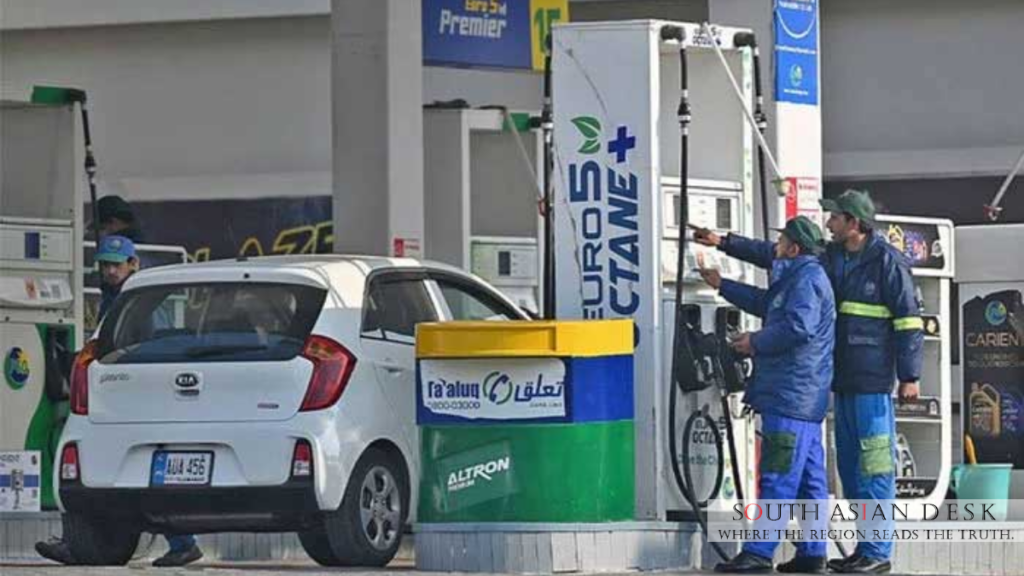
Pakistan and China signed several Pakistan China agri MoUs on Monday, 19 January 2026, during a conference in Islamabad. Officials from both nations finalised agreements for joint ventures in 10 sectors. The pacts involve 119 Chinese and 191 Pakistani firms. They focus on boosting productivity through technology and infrastructure.
These Pakistan China agri MoUs strengthen economic links in South Asia. They position agriculture as a key driver under CPEC. This could enhance food security and exports for Pakistan. Neighbours may benefit from improved trade and investment models.
CPEC Agriculture Cooperation Takes Centre Stage
CPEC agriculture cooperation gained momentum at the Pakistan-China Agricultural Investment Conference. Held at Serena Hotel, the event drew over 300 companies. Agriculture now ranks as a priority in CPEC phase two.
The Ministry of National Food Security and Research hosted the gathering. It aimed to shift from aid to investment-led partnerships. Pakistan agri sector China ties target modernisation.
Prime Minister Shehbaz Sharif addressed attendees. He stated: “Pakistan holds immense untapped potential in agriculture and could transform the sector not in years but in months by adopting modern technologies improving productivity and strengthening cooperation with China.”
Sharif emphasised value chains cold storage and warehousing. He called for higher yields competitive costs and quality. He praised China’s advances in agriculture and tech.
Pakistan China Agri Investments Outline
Pakistan China agri investments span millions in USD. The MoUs cover private joint ventures. Sectors include agriculture food processing livestock fisheries agri-inputs farm machinery renewable energy logistics technology and value-added exports.
Ten priority sub-sectors emerged. These are agro-chemicals and inputs agricultural machinery and solutions food processing and value addition meat and poultry dairy inputs and processed products fruits and vegetables animal feed and related value chains fisheries and aquaculture cold chain systems and agricultural produce logistics food-grade packaging materials and equipment.
Pakistan faces a USD 95 billion productivity gap in agriculture. Causes include low tech and poor infrastructure. The nation boasts fertile land low labour costs and a large market.
CPEC agriculture cooperation addresses these gaps. It promotes technology transfer and export growth. The ministry plans over 25 sanitary and phytosanitary protocols in 2026. These include deals with China.
Pakistan Agri Sector China Partnership Details
Pakistan agri sector China collaboration builds on existing frameworks. Minister for National Food Security and Research Rana Tanveer Hussain spoke at the event. He said: “The ministry was fully committed to supporting Chinese investors from facilitating regulatory processes to ensuring seamless coordination with all relevant government departments and institutions.”
Hussain added the goal extends beyond attracting funds. It aims to foster growth innovation and success for Chinese and Pakistani firms.
Pakistan agri sector China efforts align with broader goals. They seek a trade surplus in agriculture. Enhanced protocols will ease exports to China’s USD 215 billion food import market.
Over 115 Chinese firms registered pre-event. Pakistani participants numbered 165 initially rising to 191. This shows strong bilateral interest.
Background
CPEC launched in 2013 focused on energy and transport. Phase two expands to agriculture industry and tech. Recent pacts include USD 4 billion agri MoUs signed in Beijing last year.
Pakistan’s agriculture employs 42 percent of the workforce. It contributes 24 percent to GDP per official data. Challenges persist in yields and post-harvest losses.
China’s expertise in machinery and processing offers solutions. Past cooperation includes seed tech and irrigation projects. These Pakistan China agri MoUs accelerate such initiatives.
South Asia’s agri sector faces similar issues. Pakistan’s model could inspire regional reforms. Ties with China influence trade dynamics in the area.
What’s Next
Implementation of these Pakistan China agri MoUs starts soon. Joint working groups will oversee projects. The ministry seeks stakeholder input for protocols.
CPEC agriculture cooperation may yield quick wins in machinery imports. Exports of fruits and dairy to China could rise. Monitoring productivity gains follows.
Potential challenges include regulatory hurdles. Success depends on transparent execution. Further conferences may expand scope.
These Pakistan China agri MoUs mark a milestone in bilateral relations fostering sustainable growth in agriculture.
Published in SouthAsianDesk, January 20th, 2026
Follow SouthAsianDesk on X, Instagram and Facebook for insights on business and current affairs from across South Asia.