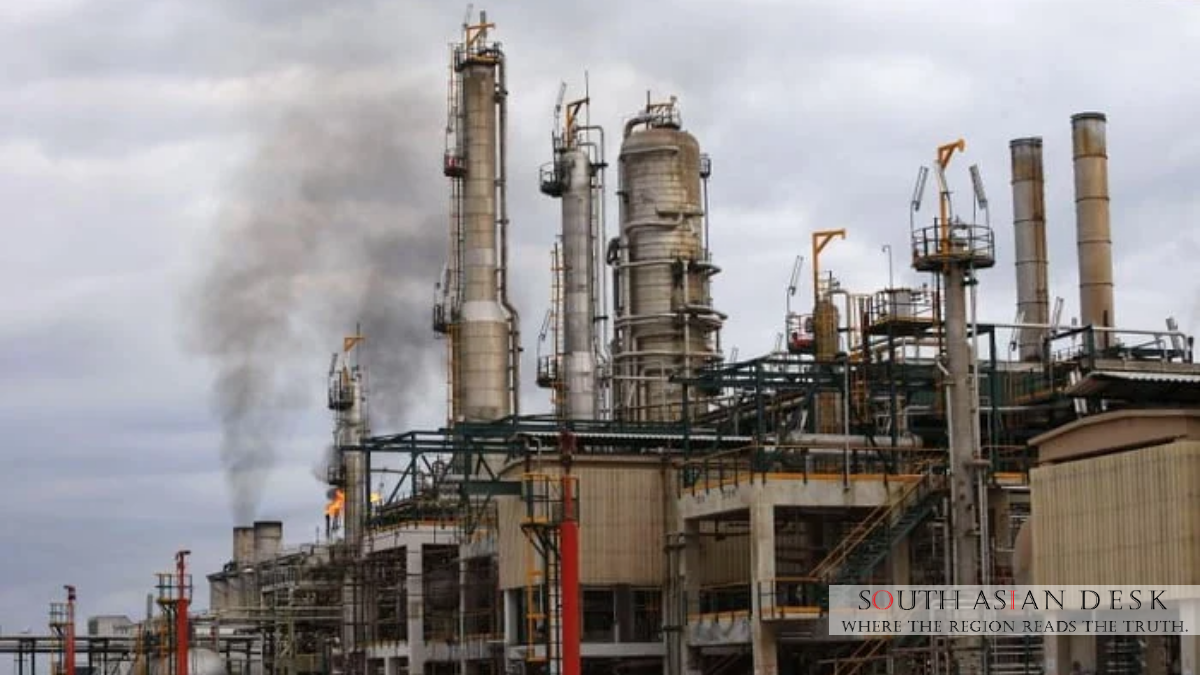
Pakistan’s industrial growth is under threat due to rising energy costs, exacerbated by high petroleum levies on furnace oil. These levies have driven the price of furnace oil to approximately Rs330,000 per tonne, significantly increasing electricity costs for industries reliant on backup generation.
The All Pakistan Textile Mills Association (Aptma) has expressed concern in a letter to Minister for Petroleum and Natural Resources Ali Pervaiz Malik, stating that the current energy pricing structure places export-oriented industries at a competitive disadvantage. With electricity costs reaching nearly Rs75 per unit, more than double the average grid tariff, industries are struggling to maintain profitability.
This issue is further compounded by frequent load shedding in industrial zones, forcing manufacturers to depend on costly alternative energy sources. Industry leaders argue that the petroleum levy, initially intended as a revenue measure, now directly influences production costs, undermining economic recovery efforts.
Pakistan’s diplomatic achievements in easing US-Iran tensions have positioned it as a key player on the global stage, offering a chance to boost exports and attract investment. However, industry stakeholders warn that without urgent reforms in energy pricing, these opportunities may be squandered.
Business groups are calling for a comprehensive review of the petroleum levy on furnace oil and broader energy pricing reforms. They believe that aligning domestic policies with international economic conditions is crucial for translating diplomatic successes into tangible industrial growth.
Published in SouthAsianDesk, April 22, 2026
Follow SouthAsianDesk on X, Instagram and Facebook for insights on business and current affairs from across South Asia.