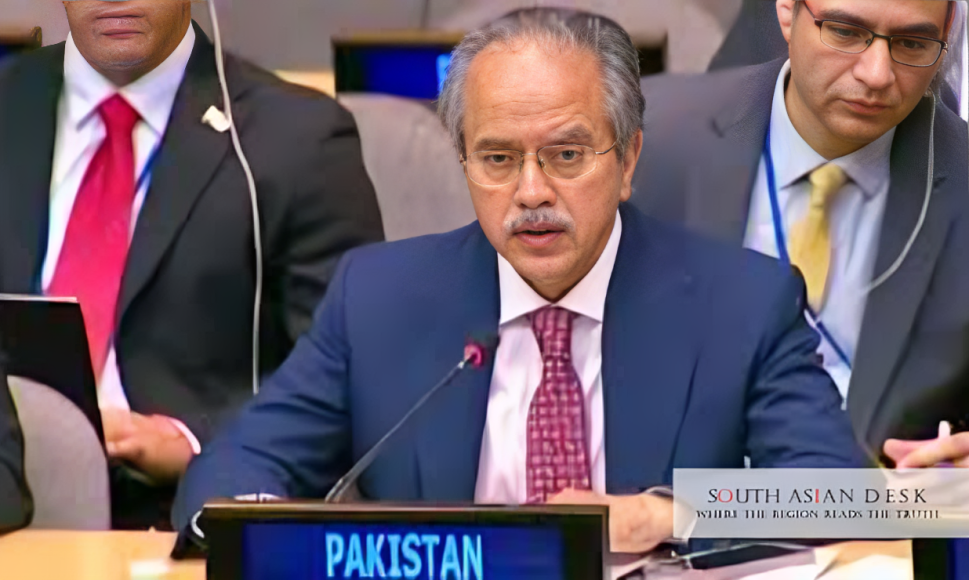
The United Nations Security Council adopted resolution 2803 on Monday, November 17, 2025, authorising an international stabilisation force in Gaza as part of the US Gaza peace plan. Pakistan voted in favour of UNSC Gaza resolution, aligning with Arab and Muslim-majority nations to halt the conflict and aid reconstruction. Ambassador Asim Iftikhar Ahmad explained the decision focused on immediate cessation of violence and civilian protection. The vote passed 13-0, with Russia and China abstaining, marking a rare consensus on the protracted crisis.
This development underscores Pakistan’s pivotal role as a non-permanent UNSC member for 2025-2026. The vote reflects Islamabad’s longstanding solidarity with Palestine, influencing regional dynamics in South Asia where public sentiment strongly favours Palestinian self-determination. It bolsters Pakistan’s diplomatic clout amid domestic challenges, potentially easing tensions with Western allies while navigating ties with abstaining powers like Russia and China.
UNSC Adopts Gaza Stabilisation Force Amid Pakistan Vote
The resolution endorses President Donald Trump’s comprehensive peace plan, initiated after a fragile ceasefire on October 10, 2025, following two years of hostilities triggered by Hamas’s October 7, 2023, attack on Israel. Key provisions include the deployment of an International Stabilisation Force (ISF) to secure borders, demilitarise Gaza, decommission weapons from non-state groups, and safeguard humanitarian corridors. The force will collaborate with Israel, Egypt, and reformed Palestinian police units.
A transitional “Board of Peace,” chaired by Trump, will oversee governance until December 31, 2027. This body coordinates aid, development, and a technocratic committee under the Palestinian Authority for civil operations. The text also signals a pathway to Palestinian statehood contingent on reforms and rebuilding efforts. Global financial institutions are urged to fund Gaza’s reconstruction, estimated at USD 50 billion over five years.
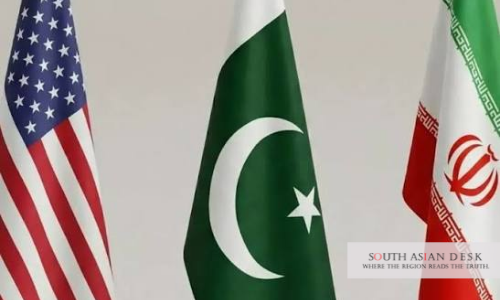
Pakistan supports US Gaza peace plan UNSC through this endorsement, as articulated in a joint statement with Qatar, Egypt, the United Arab Emirates, Saudi Arabia, Indonesia, Jordan, and Turkey. These eight nations, dubbed the Arab-Islamic group, rallied behind the initiative in September 2025 to end the war and prevent West Bank annexation.
Pakistan’s Rationale for Supporting the Resolution
Ambassador Ahmad delivered a detailed explanation of vote post-adoption. “Pakistan has voted in favour of this resolution with the primary objective, in the immediate term – to stop the bloodshed, to save the lives of innocent Palestinians including women and children, to maintain the ceasefire, to ensure much needed large-scale humanitarian relief, and to secure the full withdrawal of Israeli forces from Gaza,” he stated.
He emphasised alignment with Palestinian and Arab positions. “Our vote has been guided by the position of Palestine and the Arab Group,” Ahmad noted. Pakistan pushed amendments during negotiations, including ceasefire maintenance and UNSC reporting mechanisms. Though some proposals like explicit statehood timelines and enhanced Palestinian Authority roles were omitted, Ahmad expressed hope for clarifications in forthcoming details.
The envoy reaffirmed Islamabad’s unwavering stance: a sovereign Palestinian state on pre-1967 borders with East Jerusalem as capital. “Durable peace and stability in the region will come only with the establishment of the Palestinian State as part of the two-State solution,” he declared. Over 69,000 Palestinians, mostly women and children, have perished in the conflict, per UN estimates, amplifying the urgency.
This marks Pakistan’s second affirmative vote on Gaza-related measures in 2025, following resolution 2788 in July under its UNSC presidency, which upheld the International Court of Justice’s advisory role.
Abstentions by Russia and China Highlight Divisions
Pakistan UNSC abstentions Russia China Gaza emerged as a focal point, with both veto powers opting out despite initial reservations. Russia circulated an alternative draft prioritising unconditional statehood without foreign forces or the Board of Peace. Diplomats cited Arab backing as swaying Moscow and Beijing from vetoes.
Chinese Ambassador Fu Cong voiced concerns over the plan’s balance but abstained to avoid derailing momentum. Russia’s Vasily Nebenzia echoed scepticism, stressing UN-led options for stabilisation. The 13-0 outcome, with no oppositions, signals broad multilateral buy-in, though critics like Hamas decry it as infringing sovereignty and mandating disarmament.
US Ambassador Mike Waltz hailed the adoption: “Today’s resolution represents another significant step towards a stable Gaza that will be able to prosper.” He thanked Pakistan and others for urgency in preventing Hamas resurgence and ensuring aid flows.
Implications for South Asia and Global Diplomacy
In South Asia, Pakistan votes in favour of UNSC Gaza resolution resonates deeply. With a Muslim-majority population exceeding 240 million, Islamabad’s actions amplify voices on Palestinian rights, fostering unity across borders. It counters narratives of isolation, especially after recent domestic political turbulence, and strengthens ties with Gulf states funding Pakistani development projects worth PKR 500 billion annually.
The vote also navigates Pakistan’s balancing act with abstaining giants. Trade with China tops USD 20 billion yearly, while Russian energy deals surge amid global shifts. By supporting the US Gaza peace plan UNSC, Pakistan positions itself as a bridge-builder, potentially unlocking Western aid for its economy reeling from 7.5% inflation.
Humanitarian data underscores stakes: Gaza faces 100% acute food insecurity, per UN assessments, with famine risks in northern areas. The ISF’s mandate prioritises protection, vital as 1.9 million displaced Palestinians await relief.
Background: Evolution of the Gaza Conflict
The crisis escalated on October 7, 2023, with Hamas attacks killing 1,200 Israelis and taking 250 hostages. Israel’s response levelled Gaza, displacing 90% of residents and destroying 60% of infrastructure. Ceasefire talks faltered until Trump’s September 2025 summit in Sharm El-Sheikh, brokered by Egypt, Qatar, and Turkey.
Pakistan consistently advocated ceasefires, co-sponsoring prior UNSC drafts. Its UNSC tenure, starting January 2025, prioritises Palestine, Kashmir parallels notwithstanding. The dunyanews report from earlier this year highlighted Islamabad’s reiterated demand for statehood, welcoming Trump’s plan to end massacres.
What’s Next for Gaza Stabilisation
Implementation hinges on ISF deployment by January 2026, with troop contributions from Arab nations and Europe. UNSC reporting starts quarterly, monitoring ceasefire adherence and withdrawals. Pakistan urges Palestinian Authority centrality to avoid power vacuums.
Challenges loom: Hamas rejection risks sabotage, while Israeli elections in 2026 could alter commitments. Success could catalyse broader Arab-Israeli normalisation, benefiting South Asian remittances from Gulf workers.
Pakistan’s engagement signals commitment to multilateralism. As Ahmad concluded, “Pakistan stands shoulder-to-shoulder with the people of Palestine. Their suffering is our anguish; their resilience is our pride; their aspirations our cause.”
Pakistan votes in favour of UNSC Gaza resolution sets a precedent for collective action, urging sustained global resolve for lasting peace.
Published in SouthAsianDesk, November 18th, 2025
Follow SouthAsianDesk on X, Instagram, and Facebook for insights on business and current affairs from across South Asia.