As a new defence pact between Saudi Arabia and Pakistan raises eyebrows in New Delhi, questions swirl over its impact on longstanding bilateral ties and regional stability.
India’s Ministry of External Affairs on Friday, September 19, 2025, urged Saudi Arabia to respect mutual sensitivities in its strategic partnership with New Delhi, following the signing of a mutual defence pact between Riyadh and Islamabad on Wednesday, September 17, 2025, amid ongoing South Asian tensions.
In a region marked by nuclear rivalries and fragile ceasefires, the Pakistan Saudi pact India sensitivities evoke concerns over shifting alliances that could embolden Pakistan against India, potentially destabilising the delicate balance of power in South Asia and complicating energy security for the world’s third-largest oil importer.
Details of the Pakistan Saudi Pact
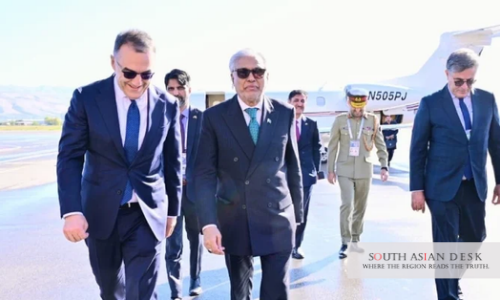
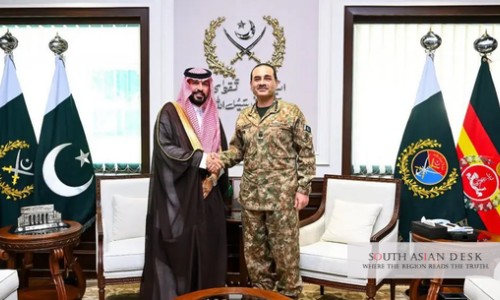
The agreement, formalised in Riyadh on Wednesday evening, September 17, 2025, establishes a mutual defence framework between Saudi Arabia and Pakistan. According to a joint statement, the pact aims to enhance defence cooperation and bolster joint deterrence against external threats. Crucially, it stipulates that any aggression directed at one signatory will be deemed an aggression against both.
Few specifics have been disclosed publicly, but the arrangement builds on decades of military collaboration between the two nations. Pakistan, the sole nuclear-armed Muslim-majority country, maintains an army exceeding 600,000 personnel, primarily oriented towards defending against its larger neighbour, India. Analysts interpret the pact as potentially extending a de facto nuclear deterrent to Saudi Arabia, given Islamabad’s arsenal.
A senior Saudi official, speaking anonymously, described the deal as the “culmination of years of discussions” and an “institutionalisation of longstanding and deep cooperation.” The official emphasised its comprehensive nature, encompassing “all military means,” though no explicit reference to nuclear elements was made in official releases.
From Islamabad’s perspective, the pact underscores enduring bilateral bonds. A spokesperson for Pakistan’s Ministry of Foreign Affairs highlighted during a briefing on Friday, September 19, 2025, that defence ties have formed a “principal pillar” of relations since the 1960s. The agreement, they noted, reflects a “shared commitment to enhance security and achieve peace in the region.”
This development arrives against a backdrop of Middle Eastern flux, including recent escalations involving Iran and Israel, which may have accelerated the timeline for such alliances.
India’s Response Amid India Sensitivities Saudi Pakistan Dynamics
New Delhi’s reaction was swift and measured, conveyed through official channels during the weekly media briefing in the capital. Official Spokesperson Randhir Jaiswal stated: “India and Saudi Arabia have a wide-ranging strategic partnership which has deepened considerably in the last few years. We expect that this strategic partnership will keep in mind mutual interests and sensitivities.”
In a formal response to media queries issued on Thursday, September 18, 2025, the Ministry of External Affairs affirmed: “The Government was aware that this development, which formalises a long-standing arrangement between the two countries, had been under consideration. We will study the implications of this development for our national security as well as for regional and global stability. The Government remains committed to protecting India’s national interests and ensuring comprehensive national security in all domains.”
These remarks directly address India sensitivities Saudi Pakistan ties, reflecting wariness over how the pact might influence Riyadh’s posture in potential India-Pakistan flashpoints. The ministry’s awareness of prior deliberations suggests ongoing monitoring of Saudi-Pakistani engagements.
During the briefing, Jaiswal reiterated the expectation that the India-Saudi partnership—characterised by robust trade and energy flows—would proceed with due regard for bilateral equities. Queries on potential nuclear dimensions or extensions to other Gulf states like the UAE and Qatar elicited no further elaboration, with the spokesperson redirecting to the issued statement.
Strengthening Ties: Saudi-India Relations in Focus

Despite the Pakistan Saudi pact India sensitivities, New Delhi and Riyadh continue to cultivate deepening economic and strategic links. Saudi Arabia ranks among India’s top petroleum suppliers, exporting crude oil and liquefied petroleum gas vital to the subcontinent’s energy needs. Earlier this year, the two nations agreed to expand cooperation in these areas, alongside joint ventures in refineries and petrochemicals.
Prime Minister Narendra Modi underscored this momentum during a meeting with Saudi Crown Prince Mohammed bin Salman in Jeddah on Tuesday, April 22, 2025. The senior Saudi official echoed this positivity, affirming: “Our relationship with India is more robust than it has ever been. We will continue to grow this relationship and seek to contribute to regional peace whichever way we can.”
Bilateral trade, with Saudi Arabia as India’s fifth-largest partner and India as the kingdom’s second, exceeded expectations in recent fiscal years, driven by investments in infrastructure and defence manufacturing. However, the fresh pact introduces layers of complexity, prompting Indian policymakers to weigh energy dependencies against security imperatives.
Background
The timing of the pact is particularly poignant, coming mere months after a four-day India-Pakistan skirmish in May 2025—the most intense clash in decades between the nuclear adversaries. That conflict, rooted in border disputes in Kashmir, claimed dozens of lives and tested diplomatic channels. India and Pakistan have waged three full-scale wars since independence, with Kashmir remaining a perennial flashpoint.
Saudi Arabia’s role as a mediator in past South Asian crises adds nuance to the India sensitivities Saudi Pakistan equation. Riyadh’s financial aid to Pakistan, often in the billions of Saudi riyals (SAR), has historically balanced overtures to New Delhi, but the defence formalisation may tilt perceptions.
What’s Next for Regional Diplomacy
As Delhi scrutinises the pact’s ramifications, quiet diplomatic outreach to Gulf allies is anticipated. Sources indicate potential bilateral talks with Riyadh to reaffirm commitments, while multilateral forums like the upcoming G20 summit could provide avenues for dialogue.
In the broader canvas of South Asian geopolitics, the Pakistan Saudi pact India sensitivities underscore the interplay of energy, security, and great-power rivalries. India remains vigilant, ensuring that evolving Saudi-Pakistani bonds do not erode the hard-won equilibrium in its neighbourhood.
Ultimately, navigating these India sensitivities will test the resilience of trilateral ties, with implications for peace from the Arabian Gulf to the Himalayas.
Published in SouthAsianDesk, September 20th, 2025
Follow SouthAsianDesk on X, Instagram, and Facebook for insights on business and current affairs from across South Asia.