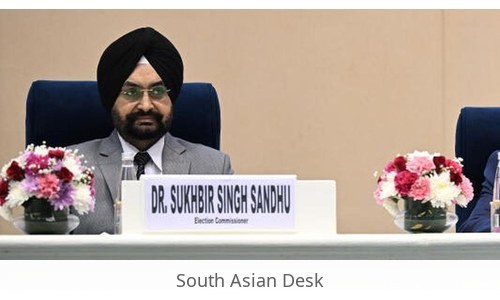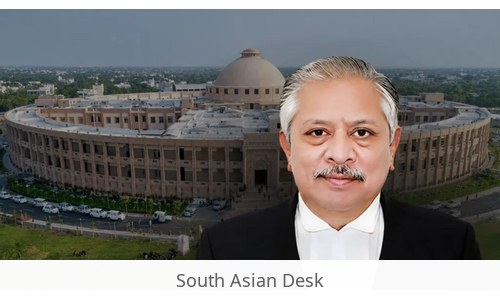
Rajasthan High Court Chief Justice: On August 31, 2026, the Supreme Court Collegium recommended Sanjeev Prakash Sharma as the new Chief Justice for the Rajasthan High Court following a meeting on the evening of that day. The decision came after letters from Justice Sandeep Mehta, a serving Supreme Court judge, were made public over the weekend, criticizing the conduct of Acting Chief Justice S.P. Sharma. This development has reignited debates about Judicial independence in India and the role of the Supreme Court Collegium recommendation in shaping judicial appointments.
Rajasthan High Court Chief Justice: Implications for Judicial Independence
The Collegium’s recommendation has sparked discussions about judicial independence and public trust in the legal system. Justice Mehta’s complaints, which were disclosed publicly, raised questions about the conduct of the Acting Chief Justice and the processes surrounding judicial appointments. This development underscores ongoing tensions within the Indian judiciary, particularly regarding the balance between institutional autonomy and accountability. The Collegium, composed of the Chief Justice of India and senior judges, plays a pivotal role in recommending judicial appointments, a process that has historically been opaque and subject to scrutiny. The public disclosure of internal judicial communications, while rare, has brought attention to the need for greater transparency in how such decisions are made. Critics argue that the Collegium’s recommendations, though final, should be accompanied by mechanisms to address concerns raised by judges or the public, ensuring that the judiciary remains both independent and accountable.
Rajasthan High Court Chief Justice: Historical Context of Judicial Appointments
Judicial appointments in India have long been a subject of debate, with controversies often arising over the criteria and transparency of the selection process. The collegium system, established in the 1990s, replaced the earlier practice of executive appointments, aiming to insulate the judiciary from political influence. However, this shift has not eliminated disputes, as seen in the 2015 collegium system controversy, where recommendations were challenged for perceived lack of diversity and transparency. Similarly, the 2020 Supreme Court collegium recommendations faced public and political scrutiny, with calls for reform to ensure a more inclusive and merit-based selection process. This latest recommendation for Rajasthan High Court fits into a broader pattern of judicial appointments that have occasionally faced public and political scrutiny. The current situation highlights the need for a reevaluation of the collegium’s role in ensuring that judicial appointments are not only merit-based but also reflective of the diverse needs of the legal system. The Sanjeev Prakash Sharma appointment is a critical step in this ongoing dialogue about judicial reform.
Future of Judicial Conduct and Accountability
The complaints raised by Justice Mehta may influence future judicial behavior and the mechanisms for addressing misconduct. While the Collegium’s decision is final, the public disclosure of these letters has brought attention to the importance of accountability within the judiciary. Future appointments may see increased emphasis on transparency and the need for robust mechanisms to address grievances raised by judges or the public. The Indian judiciary, which has historically operated with a high degree of autonomy, may now face pressure to adopt more structured processes for handling internal disputes. This could include the establishment of independent oversight bodies or the adoption of clearer guidelines for judicial conduct. Additionally, the incident may prompt discussions on the role of the media in scrutinizing judicial processes, as the public’s trust in the judiciary is closely tied to its perceived integrity and transparency. The Rajasthan High Court Chief Justice will play a pivotal role in upholding these standards in the coming years.
Follow SouthAsianDesk on X, Instagram and Facebook for insights on business and current affairs from across South Asia.
Sources
- Before Supreme Court Collegium recommended new Chief Justice for Rajasthan High Court, a Monday evening meeting – indianexpress.com
- After Supreme Court judge’s letters, Collegium recommends new Chief Justice for Rajasthan HC – thehindu.com
Image: images.indianexpress.com