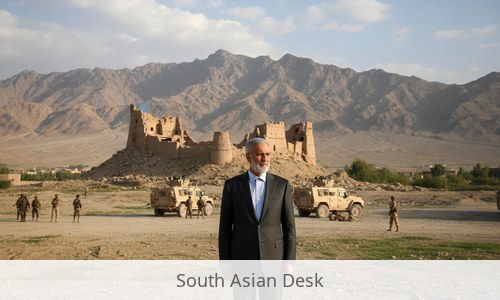
On September 12, 2026, former U.S. diplomat Zalmay Khalilzad stated that the United States’ primary interest in Afghanistan is to prevent it from becoming a base for terrorist groups that could threaten America. His remarks, made in a video published on the same date, underscore the need for sustained U.S. engagement in Afghanistan to maintain regional stability and counter rival powers influence.
U.S. engagement in Afghanistan: Implications of U.S. Engagement
Khalilzad urged Washington to remain engaged in Afghanistan rather than leaving the field open to rival powers. His comments come amid concerns about the shifting geopolitical landscape in Afghanistan, where the absence of a strong U.S. presence could allow other nations to expand their influence. The former diplomat emphasized that a stable Afghanistan is critical to U.S. national security interests, particularly in preventing the resurgence of groups capable of launching attacks against American interests.
The U.S. has historically viewed its involvement in Afghanistan as a strategic priority due to its proximity to South Asia and its role in counterterrorism efforts. Khalilzad’s advocacy for continued engagement aligns with broader U.S. policy goals of ensuring regional stability and preventing the country from becoming a hub for extremist activities. However, the extent of U.S. involvement remains a subject of debate, with some policymakers arguing for a reduced footprint while others stress the importance of maintaining a strategic presence.
The historical context of U.S. engagement in Afghanistan dates back to the 2001 invasion following the 9/11 attacks, which aimed to dismantle Al-Qaeda and remove the Taliban regime. Over two decades of military and diplomatic efforts, the U.S. invested heavily in Afghanistan’s security and governance, only to withdraw in 2021 amid growing domestic and international pressure. The subsequent Taliban takeover raised concerns about the potential for Afghanistan to once again become a sanctuary for extremist groups, a scenario that Khalilzad explicitly warns against.
The implications of U.S. engagement—or disengagement—extend beyond Afghanistan’s borders, affecting regional stability and trade routes. As the situation evolves, the role of international institutions and multilateral cooperation will be crucial in addressing the challenges posed by instability in the region. The absence of a U.S. presence could lead to a power vacuum, potentially enabling non-state actors or regional powers to exert greater influence over Afghanistan’s political and economic trajectory.
Responses from Rival Powers
Khalilzad’s remarks also highlight the potential responses from rival powers seeking to fill the void left by a diminished U.S. role. While specific actions by other nations are not detailed in the available sources, the former diplomat’s statements suggest that the geopolitical balance in Afghanistan is at a critical juncture. The influence of regional actors, including Pakistan and Iran, as well as global powers like Russia and China, could shape the country’s future trajectory.
Pakistan, long considered a key player in Afghan affairs, has historically maintained close ties with the Taliban. Its strategic interests in Afghanistan include securing its western border and countering Indian influence in the region. Iran, on the other hand, has sought to leverage Afghanistan’s instability to advance its own regional objectives, including containing U.S. influence and supporting anti-Western factions. Meanwhile, Russia and China have increasingly turned their attention to Central Asia, with both nations investing in infrastructure and energy projects that could indirectly impact Afghanistan’s economic and political stability.
The potential for these powers to deepen their involvement in Afghanistan raises questions about the long-term implications for regional stability and the U.S. engagement in Afghanistan. A more assertive Russian or Chinese presence could shift the balance of power in the region, potentially leading to increased competition or cooperation among these actors. Additionally, the role of international institutions such as the United Nations and regional organizations like the Shanghai Cooperation Organization (SCO) may become more pronounced in mediating disputes and fostering stability.
Follow SouthAsianDesk on X, Instagram and Facebook for insights on business and current affairs from across South Asia.