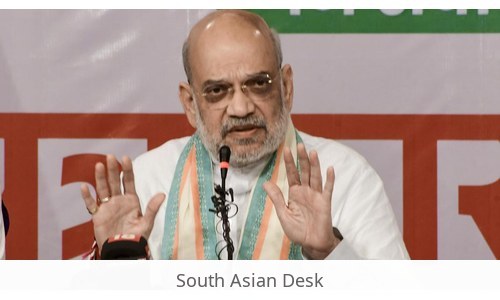
Uniform Civil Code implementation marks a pivotal moment in India’s legal landscape, as Union Home Minister Amit Shah announced on September 13, 2026 that the Uniform Civil Code (UCC) will be introduced in 21 states before 2029. This move aligns with the BJP 2029 plans to reform India legal reform, aiming to replace personal laws in India with a unified legal framework.
Uniform Civil Code implementation: Political Implications
The UCC is expected to influence voter sentiment ahead of upcoming elections. The BJP’s commitment to reforming personal laws may strengthen its support among certain voter demographics, particularly those aligned with the party’s vision for legal uniformity. This move aligns with the government’s broader agenda to consolidate its political base through policy reforms.
The announcement comes amid a strategic push by the BJP-led National Democratic Alliance (NDA) to assert a unified national identity, leveraging the UCC as a symbol of modernization and administrative efficiency. The government has cited the Bharatiya Nyaya Sanhita, a revised criminal justice code, as a foundational step toward this goal, noting that several states have recorded a 30 percent increase in conviction rates in a single year. This statistical improvement is presented as evidence of the government’s capacity to implement sweeping legal reforms effectively.
Impact on Religious Communities
The UCC seeks to create legal equality among citizens regardless of religion. However, concerns have been raised regarding its implications for minority communities and their traditional practices. While proponents argue that the code will eliminate disparities in legal treatment, critics warn of potential cultural and social disruptions. The reform could affect personal laws governing marriage, inheritance, and family matters, which are currently governed by religious scriptures and customs.
For instance, Hindu, Muslim, Christian, and other communities have distinct legal frameworks for these issues, and the UCC would replace these with a standardized set of rules. This has sparked debates about the balance between legal uniformity and the preservation of religious autonomy. Minority groups, particularly Muslims and Christians, have expressed apprehensions about the erosion of their cultural and religious rights, while some Hindu groups have supported the move as a step toward national integration.
Historical Context
Previous efforts to introduce the UCC have faced significant opposition. The historical significance of personal laws in India’s legal framework underscores the complexity of this reform. The current announcement marks a renewed push to address long-standing debates over legal uniformity and religious autonomy. The idea of a UCC was first proposed in the early 20th century by the Indian National Congress, which envisioned a secular legal system that would apply equally to all citizens.
However, the post-independence Constitution of India retained personal laws for religious communities, recognizing their cultural and historical significance. Over the decades, the UCC has remained a contentious issue, with periodic attempts to introduce it met with resistance from various groups. The current government’s renewed focus on the UCC reflects a broader ideological shift toward a more centralized legal system, emphasizing national unity over regional or religious diversity.
Legal and Administrative Framework
The government has emphasized that the Uniform Civil Code implementation will be gradual, with the 21 states selected based on their readiness to adopt the new legal framework. The Bharatiya Nyaya Sanhita, which came into effect in 2024, is seen as a precursor to the UCC, streamlining criminal procedures and enhancing judicial efficiency.
This legal overhaul is part of a larger initiative to modernize India’s legal infrastructure, which includes digitizing court records, improving access to legal aid, and reducing case backlogs. The government has also highlighted the need for public awareness campaigns to ensure smooth implementation, acknowledging that the success of the UCC will depend on widespread acceptance and understanding among citizens.
Follow SouthAsianDesk on X, Instagram and Facebook for insights on business and current affairs from across South Asia.
Sources
- BJP led NDA governments in 21 states will introduce Uniform Civil Code before 2029 : Amit Shah – thehindu.com
- ‘Uniform Civil Code Will Be Introduced In 21 States Before 2029’: Amit Shah – ndtv.com
Image: th-i.thgim.com