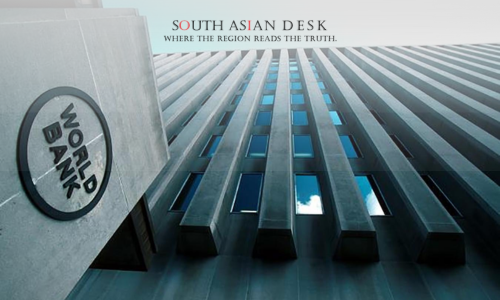
The World Bank’s $47.9 million grant aims to enhance primary education in Punjab, focusing on enrollment and teacher support. The World Bank approved a USD 47.9 million grant on Monday, August 25, 2025, to enhance primary education in Punjab, Pakistan, with a focus on expanding early childhood schooling, re-enrolling out-of-school children, and strengthening teacher support. The grant is funded by the Global Partnership for Education Fund.
Why It Matters for South Asia
The World Bank’s investment in Punjab’s primary education addresses critical gaps in access and quality, setting a model for South Asia, where millions of children remain out of school. Enhancing education systems in Pakistan’s most populous province can drive regional human capital development, fostering economic growth and stability.
World Bank’s Commitment to Punjab Education
The “Getting Results: Access and Delivery of Quality Education Services and System Transformation in Punjab Project” targets over four million children, including 80,000 out-of-school children, three million enrolled in provincial schools, 850,000 in non-formal education, and 140,000 differently-abled children in special education institutions. The project, announced by the World Bank, aims to expand early childhood education (ECE), provide remedial learning at the elementary level, and enhance the education sector’s resilience to climate change and emergencies.
“This project represents a crucial step towards addressing learning poverty and ensuring equitable access to quality education across Punjab,” said Bolormaa Amgaabazar, World Bank Country Director for Pakistan. Over 100,000 teachers and school leaders will receive professional development, while community awareness campaigns will engage parents to support sustainable outcomes.
Enhancing Primary Education in Punjab
The initiative aligns with the Government of Punjab’s education reform agenda, focusing on governance, management, and capacity building. It strengthens coordination between school, special education, and non-formal education departments, empowering schools and fostering community partnerships. According to Izza Farrakh, World Bank Task Team Leader, “The project will support the government’s efforts to create a more effective, accountable, and inclusive education system.”
The grant addresses Punjab’s significant out-of-school population, with 3.15 million children aged five to nine not enrolled, of which 51.5% are girls, as per World Bank data. By improving foundational learning and system capacity, the project aims to boost literacy and reduce dropout rates, building on Punjab’s progress through public-private partnerships and the Afternoon School Program.
Climate Resilience and Inclusivity
The project also prioritises the education sector’s responsiveness to climate-related disruptions, such as floods, which have historically affected Punjab’s schools. By targeting the poorest and most vulnerable populations, it aligns with the World Bank’s goals of eliminating extreme poverty and promoting shared prosperity, as outlined in its Country Partnership Framework with Pakistan.
Background
Pakistan faces a severe education crisis, with approximately 26 million children out of school nationwide, the majority being girls, according to UNICEF and government estimates. Punjab, with a population exceeding 120 million, has made strides in increasing enrolment but struggles with quality, inclusivity, and resilience. The World Bank’s earlier $150 million project in June 2024 aimed to improve primary school outcomes and reduce dropouts in Punjab, while a $100 million initiative in Balochistan targeted 250,000 students. The current grant builds on these efforts, focusing on systemic transformation and inclusivity.
The Global Partnership for Education Fund, which finances this project, supports education systems in low- and middle-income countries. Punjab’s Gender Parity Index for school enrolment stands at 1.04, the highest in Pakistan, yet 28% of girls aged five to 16 remain out of school, highlighting the need for targeted interventions.
What’s Next
The World Bank and Punjab’s government will begin implementing the project, with initial efforts focusing on teacher training and ECE expansion. Monitoring and evaluation will ensure accountability, with the World Bank’s oversight ensuring alignment with Punjab’s education goals. This initiative will further solidify the World Bank’s role in transforming primary education in Punjab.
Published in SouthAsianDesk, August 25th, 2025
Follow SouthAsianDesk on X, Instagram, and Facebook for insights on business and current affairs from across South Asia.