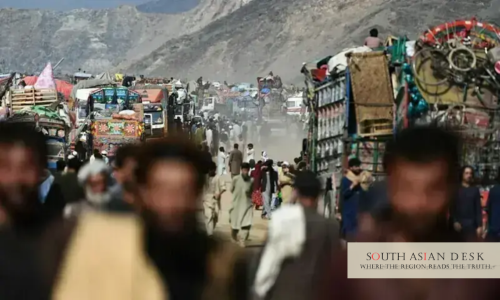
Afghan migrants continue to return from Pakistan in large numbers, with UN figures showing that around 400,000 people have crossed into Afghanistan from Pakistan since the beginning of 2026.
The figures come as Afghanistan faces one of the world’s largest return movements, with migrants also arriving from Iran amid growing pressure on Afghan communities in neighbouring countries.
According to UNHCR figures cited in the report, more than 700,000 Afghans have returned from Iran and Pakistan since the start of the year, including around 400,000 from Pakistan.
UNHCR has warned that the scale of returns is placing heavy pressure on Afghanistan, where many families are struggling with shelter, jobs, food and access to basic services.
Afghan Migrants Return Amid Rising Pressure
Afghan migrants have been returning from Pakistan at a steady pace as Islamabad continues its repatriation drive against undocumented foreign nationals.
The return movement includes people who left voluntarily, those who returned under pressure and others who were deported.
Many returnees have lived in Pakistan for years, while some were born there and are now entering Afghanistan with limited documents, savings or support networks.
The sudden return of large numbers of people has increased pressure on border provinces, local communities and aid agencies.
UNHCR Says Thousands Are Returning Daily
UNHCR officials have said that thousands of Afghan returnees are crossing into Afghanistan each day.
The agency’s recent updates track Afghan nationals returning from Pakistan through both voluntary repatriation and forced returns.
The latest figures show that the return process has continued into June, with humanitarian partners monitoring movement trends, documentation status, age and gender.
The data is being used to assess needs and coordinate support for families arriving at border points and moving onward to different provinces.
Pakistan Deportations Add To Afghanistan’s Crisis
Pakistan’s deportation and repatriation policy has been a major factor behind the rise in Afghan returns.
Islamabad has said its campaign targets undocumented foreigners, while Afghan officials and aid groups have raised concerns over forced returns, arrests and pressure on vulnerable families.
The return of Afghan refugees and migrants has become especially sensitive because many families have few resources after years of displacement.
Some returnees have reported difficulties finding housing, employment and schooling for their children after arriving in Afghanistan.
Returnees Face Shelter, Jobs And Education Challenges
Many Afghan returnees are facing serious challenges after crossing back into Afghanistan.
Families arriving from Pakistan often need emergency shelter, food, healthcare and transport assistance to reach their home provinces.
Children are among the most affected, especially those who were attending school in Pakistan and now face uncertainty over whether they can continue their education.
Women and girls may face additional restrictions because of the Taliban’s limits on education, work and public life.
Afghanistan’s Aid System Under Pressure
The large return movement is adding pressure to Afghanistan’s already fragile humanitarian system.
The country is dealing with poverty, unemployment, climate shocks and restrictions on women aid workers, all of which make relief operations more difficult.
Aid agencies have warned that funding shortages are limiting their ability to support returnees and host communities.
Without stronger assistance, many returnees may struggle to rebuild their lives, increasing the risk of poverty, debt and renewed migration.
More Afghan Returns Expected This Year
The return process is expected to continue through the year, with UN estimates warning that millions more Afghans could return from neighbouring countries.
This raises serious concerns for Afghanistan’s economy and public services, particularly in provinces receiving large numbers of returnees.
For Pakistan, the policy remains linked to immigration control and security concerns.
For Afghanistan, the challenge is to absorb hundreds of thousands of people at a time when jobs, housing and aid resources are already limited.
Afghan Migrants Need Coordinated Support
The return of more than 400,000 Afghan migrants from Pakistan highlights the scale of the migration crisis facing the region.
Humanitarian agencies say support is needed not only at border crossings but also in communities where returnees are trying to resettle.
A coordinated response will be critical to provide shelter, healthcare, education and livelihood support.
For now, the continuing return of Afghan migrants from Pakistan remains one of the biggest humanitarian challenges facing Afghanistan in 2026.
Published in SouthAsianDesk, June 10, 2026
Follow SouthAsianDesk on X, Instagram and Facebook for insights on business and current affairs from across South Asia.