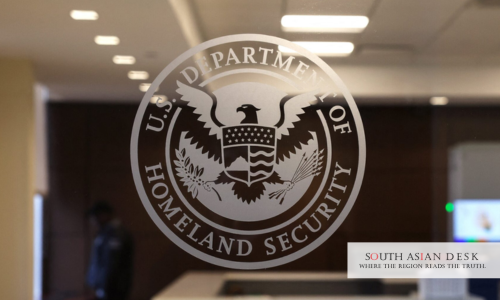
The United States has suspended immigrant visa processing for nationals of 75 countries, including Pakistan, effective January 21, 2026. The State Department cites high risk of applicants becoming a public charge. This forms part of the Trump administration’s immigration crackdown.
US suspends visa processing 75 countries amid concerns over potential reliance on public benefits. The pause affects immigrant visas only and does not impact non-immigrant visas such as tourist or business categories. A State Department cable directs consular officers to refuse applications where visas are print-authorised but not printed, or printed but not issued.
Tommy Pigott, Principal Deputy Spokesperson at the State Department, stated: “The State Department will use its long-standing authority to deem ineligible potential immigrants who would become a public charge on the United States and exploit the generosity of the American people.” He added: “Immigrant visa processing from these 75 countries will be paused while the State Department reassesses immigration processing procedures to prevent the entry of foreign nationals who would take welfare and public benefits.”
The cable explains that applicants from these countries face high risk of becoming a public charge and recourse to local, state, and federal government resources in the United States.
This move follows a November directive emphasising financial self-sufficiency for visa applicants.
Trump Immigrant Visa Ban Targets High-Risk Nations
The suspension targets 75 nations, including many in South Asia, Africa, the Middle East, Latin America, and the Caribbean. Affected South Asian countries include Pakistan, Bangladesh, Afghanistan, Bhutan, and Nepal.
The full list comprises: Afghanistan, Albania, Algeria, Antigua and Barbuda, Armenia, Azerbaijan, Bahamas, Bangladesh, Barbados, Belarus, Belize, Bhutan, Bosnia, Brazil, Cambodia, Cameroon, Cape Verde, Colombia, Democratic Republic of the Congo, Cuba, Dominica, Egypt, Eritrea, Ethiopia, Fiji, The Gambia, Georgia, Ghana, Grenada, Guatemala, Guinea, Haiti, Iran, Iraq, Ivory Coast, Jamaica, Jordan, Kazakhstan, Kosovo, Kuwait, Kyrgyzstan, Laos, Lebanon, Liberia, Libya, North Macedonia, Moldova, Mongolia, Montenegro, Morocco, Myanmar, Nepal, Nicaragua, Nigeria, Pakistan, Republic of the Congo, Russia, Rwanda, Saint Kitts and Nevis, Saint Lucia, Saint Vincent and the Grenadines, Senegal, Sierra Leone, Somalia, South Sudan, Sudan, Syria, Tanzania, Thailand, Togo, Tunisia, Uganda, Uruguay, Uzbekistan, and Yemen.
Analysts estimate this could affect approximately 315,000 legal immigrants annually. David Bier, Cato Institute Director of Immigration Studies, described it as part of “the most anti-legal immigration agenda in American history.”
The Trump immigrant visa ban builds on earlier actions, including revocation of over 100,000 visas since January 2026 and stricter screening.
Visa Suspension Pakistan and Regional Impact
Pakistan faces direct consequences from the visa suspension Pakistan policy. Thousands of Pakistani nationals await family-based, employment, or diversity immigrant visas. The pause introduces uncertainty for applicants with pending cases.
Similar challenges affect Bangladesh and Afghanistan nationals. In Pakistan, the decision coincides with ongoing diplomatic engagements between Islamabad and Washington, highlighting tensions in bilateral ties despite security cooperation.
The public charge visa pause revives and expands rules from Trump’s previous term, where applicants must demonstrate they will not depend on public benefits. Factors include finances, health, age, education, and English proficiency.
This indefinite suspension aims to prevent welfare reliance while the State Department reviews all immigration policies for enhanced vetting.
Background: Public Charge Visa Pause in Context
The public charge visa pause stems from long-standing US immigration law under the Immigration and Nationality Act. The Trump administration has broadened its application to restrict legal pathways.
Earlier in December 2025, a separate proclamation restricted entry from 39 countries for security reasons, effective January 1, 2026. The current measure focuses solely on immigrant visas and public charge risks.
Immigrant visas allow permanent residency, unlike non-immigrant visas for temporary stays. Demand for the latter remains unaffected, relevant as the US prepares to host the 2026 World Cup.
Critics, including US lawmakers, argue the policy harms families, businesses, and America’s image as a destination for skilled and family reunification migrants.
The administration maintains it protects American resources and ensures self-sufficient immigrants.
What’s Next after US Suspends Visa Processing
The pause continues indefinitely pending reassessment of screening and vetting procedures. Exceptions may apply for dual nationals with passports from unaffected countries or cases serving “America First” national interests.
Affected applicants face delays in family reunification and employment-based migration. US embassies will provide updates as the review progresses.
US suspends visa processing in 75 countries as part of ongoing efforts to tighten legal immigration controls.
Published in SouthAsianDesk, January 15th, 2026
Follow SouthAsianDesk on X, Instagram and Facebook for insights on business and current affairs from across South Asia.