

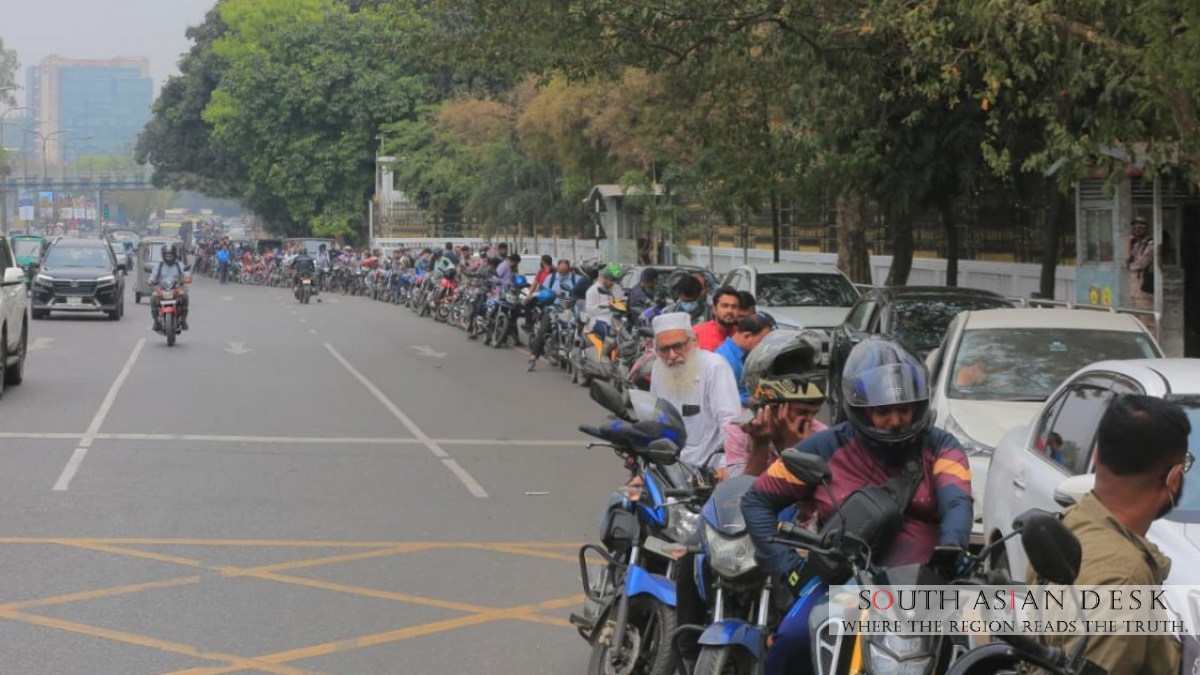
Bangladesh Energy Crisis: As of April 18, 2026, Bangladesh is grappling with a severe energy crisis characterized by persistent load-shedding and escalating fuel costs. The country’s shift from a domestic gas-driven energy system to a model heavily reliant on import dependence has raised alarms among policymakers, industry leaders, and citizens.
Currently, 60-65% of Bangladesh’s energy demand is fulfilled through imports, leaving the nation vulnerable to global price fluctuations and supply disruptions. Experts warn that without structural reforms, the Bangladesh Energy Crisis could evolve into a prolonged economic challenge.
Historical data from the Bangladesh Power Development Board reveals that domestic natural gas accounted for over 75% of power generation in 2010. However, dwindling reserves and delayed exploration efforts have forced the country to depend significantly on imported fuels, including LNG Imports, coal, and refined petroleum.
Prof Md Iqbal Hossain from BUET attributes the crisis to planning failures, stating that inadequate long-term strategies have shifted Bangladesh from energy independence to dependence. Energy economists highlight how countries like Pakistan and India have responded to global events, such as the Russia-Ukraine war, by accelerating investments in renewable energy.
Dr Shamsul Alam of CAB points out that while Pakistan and India diversified their energy mix, Bangladesh must also adopt long-term strategic planning. India, for instance, has added over 15 gigawatts of solar capacity annually, positioning itself as a global leader in renewable energy. In contrast, Bangladesh’s renewable energy contribution remains at a mere 5-6%.
Industrial sectors are also feeling the pinch, with operators citing unreliable power supplies as a major factor in rising production costs. Factory owners, like Muhammad Ahsanul in Gazipur, report disruptions due to inconsistent gas supply, leading to increased reliance on costly diesel generators.
The energy crisis affects households too, with frequent outages disrupting daily life. Rina Begum from Dhaka describes the challenges of managing household chores and children’s education during power cuts. Small business owners, such as Abdul Mannan in Narayanganj, face reduced profits as electricity bills and fuel prices soar.
Experts emphasize the need for refinery upgrades, as current facilities like Eastern Refinery Limited process only a fraction of national demand. Prof Md Iqbal Hossain notes that without modernization, Bangladesh will remain dependent on refined fuel imports.
The import of LNG, now accounting for nearly 30% of the gas supply, poses financial risks due to volatile spot market prices. Dr Hasan Mahmud warns of the economic consequences of excessive LNG dependence, which could lead to higher electricity tariffs.
The debate on importing crude oil from Russia underscores the need for careful geopolitical and technical assessments. Prof Mustafizur Rahman stresses that energy procurement decisions should align with Bangladesh’s long-term trade and economic interests.
Energy specialists advocate for improved efficiency as a swift solution. Energy audits, similar to practices in Germany and Japan, could significantly reduce national demand. Bangladesh aims to achieve 30% renewable energy by 2030, but financing remains a hurdle.
International support, through climate finance and concessional loans, is crucial for scaling renewable infrastructure, as highlighted by Dr Fahmida Khatun. Domestic gas exploration, particularly offshore, is another critical avenue for reducing import reliance.
As Bangladesh approaches a critical juncture, experts agree that coordinated action is essential to resolve the energy crisis. Strategic planning, technological investment, and policy reform could transform the current challenges into opportunities for energy security.
Published in SouthAsianDesk, April 20, 2026
Follow SouthAsianDesk on X, Instagram and Facebook for insights on business and current affairs from across South Asia.
