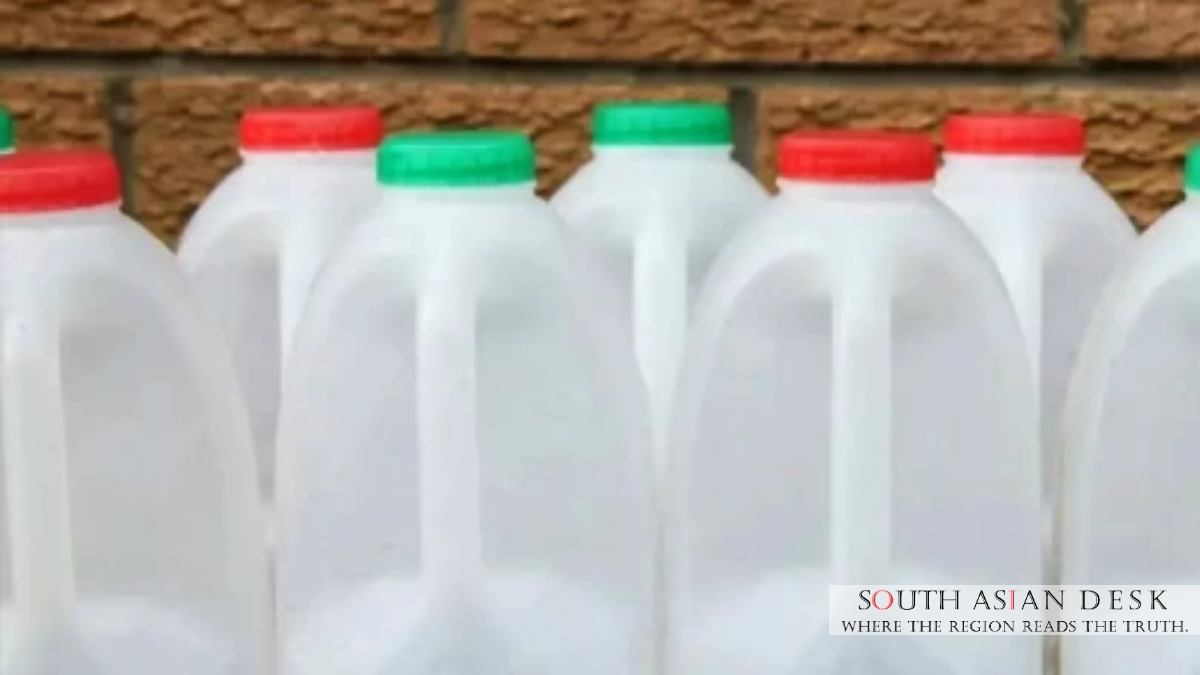
On April 23, 2026, the prices of plastic products in Pakistan surged significantly due to supply chain disruptions and volatility in petroleum-linked raw materials. This increase is affecting a wide range of consumer goods across the country.
Industry leaders report a steep rise in the cost of plastic resin, a crucial petroleum-derived raw material, following import constraints linked to geopolitical tensions, notably the ongoing US-Israeli conflict with Iran resulting in a massive rise in plastic prices consequently.
According to Syed Nabeel Hashmi, Chairman of the Pakistan Plastic Manufacturers Association (PPMA), the nation’s plastic industry remains heavily reliant on raw materials imported from the Middle East. The unrest in this region has severely disrupted the supply chain, with 70% to 80% of raw materials sourced from these countries.
Hashmi noted that prices of plastic raw materials have already increased by 40% to 50%, while finished product costs have risen by 60% to 70% due to higher petroleum tariffs and energy costs. He warned that even if regional conflicts are resolved, it would take six to eight months for the supply chain to normalize. “Currently, there is a significant shortage of raw materials in the market,” he added.
The price of a 25-kilogram bag of plastic resin has climbed from approximately Rs9,000 to over Rs18,000. The cost of 75-micron shopping bags has doubled from Rs450 to Rs900 per kilogram, and plastic sheet rolls used in construction have also seen a twofold increase.
Analysts emphasize that plastic, being fundamentally a petroleum-based product, is directly affected by global oil and gas price fluctuations. For consumers, this means increased prices for everyday items such as kitchen utensils, storage containers, toys, packaging materials, and automotive spare parts. The surge in plastic prices coincides with rising costs of other essential commodities, further straining household budgets. Unless import flows stabilize, industry stakeholders warn that plastic prices are likely to remain high.
Published in SouthAsianDesk, April 23, 2026
Follow SouthAsianDesk on X, Instagram and Facebook for insights on business and current affairs from across South Asia.