India’s energy sector is poised for a significant transformation as investments are projected to hit a record $170 billion in 2026, according to the International Energy Agency (IEA). This surge is driven by substantial growth in solar power and oil refining as the nation strives to meet rising energy demands and enhance its clean energy infrastructure.
The IEA’s World Energy Investment 2026 report highlights that India’s energy investment has grown at an average annual rate of 11% over the past five years. Solar photovoltaic (PV) investment has soared by 25% annually, while oil refining investment has increased by 23%. These two sectors alone have contributed to a quarter of the overall rise in energy spending.
Refining investment is set to expand India’s capacity by nearly 15% by 2030, despite the country’s continued reliance on imported crude oil. Meanwhile, upstream oil and gas investment has declined by an average of 7% annually since 2020, prompting new government measures to attract fresh capital into exploration and production.
The report also notes that India is the second-largest investor in coal supply, with investments tripling over the last decade. Coal remains a dominant force in India’s energy mix, supporting both power generation and industrial demand. Investment in coal supply is expected to reach $13 billion in 2026 as India aims to boost domestic production to 1.5 billion tonnes by 2030.
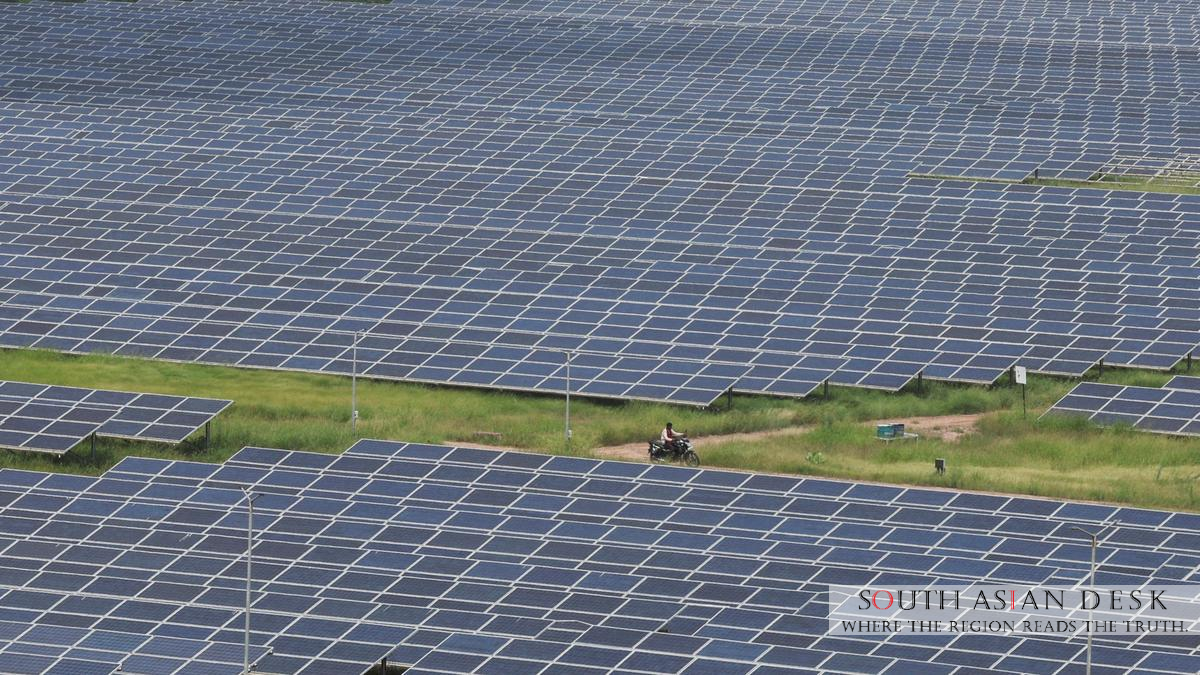
Power sector investment accounts for about half of India’s total energy spending. In 2025, India achieved its Nationally Determined Contribution (NDC) target of sourcing 50% of installed power generation capacity from non-fossil fuel sources, five years ahead of schedule. This was largely due to a sharp increase in solar investment, which reached $20 billion.
Investments in hydropower and nuclear energy have tripled since 2020. India targets 100 GW of nuclear capacity by 2047, up from 9 GW currently, following reforms in 2025 that allow private companies with up to 49% foreign ownership to build and operate reactors and small modular reactors (SMRs).
Transmission and distribution investment is expected to reach $26 billion in 2026, expanding at an annual rate of 15% over the past five years. The government’s Green Energy Corridor program aims to integrate renewable energy into national and state grids, with more than 3,000 km of transmission lines added so far. Additional phases are underway to further support this integration.
Published in SouthAsianDesk, May 29, 2026
Follow SouthAsianDesk on X, Instagram and Facebook for insights on business and current affairs from across South Asia.