Stranded Afghans in Qatar could be resettled in third countries after US Secretary of State Marco Rubio said on Tuesday, June 2, 2026, that at least five countries were open to receiving them, as Washington seeks alternatives to returning them to Taliban-ruled Afghanistan.
Stranded Afghans may be moved from Qatar
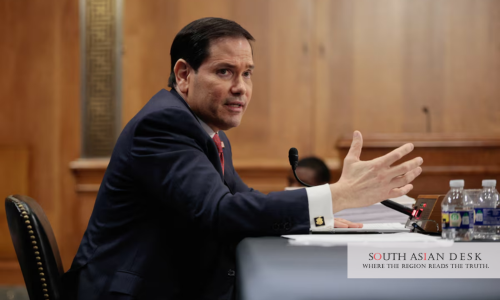
US Secretary of State Marco Rubio told lawmakers in Washington that the Trump administration was speaking to at least five countries willing to receive Afghans currently stranded in Qatar, where more than 1,100 people have been waiting for a durable resettlement solution.
Rubio made the comments during a congressional budget hearing on Tuesday, June 2, 2026, as lawmakers questioned the administration over the fate of Afghans who had links to the US military, US-backed institutions, or American service members. The House Appropriations Committee listed Rubio as the witness for a Department of State and related programmes hearing scheduled at 2:00 PM in Washington.
The Afghans are being held at Camp As Sayliyah, a former US Army base in Qatar. Many were taken there after fleeing Taliban rule and had expected onward processing. Their future became uncertain after changes in US refugee and immigration policy restricted entry for Afghan nationals and slowed or blocked resettlement pathways.
Rubio said Washington did not want to force the Afghans to return to Afghanistan. However, he also acknowledged that US policy currently restricted their entry into the United States, leaving third-country resettlement as the most immediate option being explored.
US searches for host countries
Rubio said no single country was expected to take all of the Afghans at once. Instead, the administration was seeking a group of countries willing to accept smaller numbers, depending on their capacity and the preferences of those affected.
Botswana and Malaysia have been named in reporting as countries involved in discussions, while the Democratic Republic of Congo has also been reported as a possible destination.
Lawmakers and refugee advocates have raised concerns about any plan that would send vulnerable Afghans to countries facing conflict, insecurity, weak public services or limited refugee protection systems. Those concerns have been particularly strong over the possibility of resettlement to the Democratic Republic of Congo, where parts of the country have faced prolonged armed conflict and health emergencies.
US officials have not publicly released a final resettlement plan, a timetable for transfers, or guarantees on legal status, work rights, family unity and long-term protection in receiving countries.
Rubio faces questions over Afghan allies
The group in Qatar includes Afghans who assisted the United States during the 20-year war in Afghanistan, as well as relatives of US service members, according to refugee advocates and lawmakers. Some reportedly include former interpreters, security personnel, women who served with US-backed units, and family members who could face Taliban retaliation if returned.
Democratic lawmakers pressed Rubio on why Afghans who had been vetted or linked to US missions remained unable to enter the United States. Rubio responded that the administration was operating under directives that restrict Afghan entry, but said officials were working daily on alternative options.
The case has become politically sensitive in Washington because many Afghans were promised protection after supporting US operations before the Taliban returned to power in August 2021. Advocates say failure to provide a safe pathway risks damaging US credibility with future local partners in conflict zones.
The administration has also faced criticism over reports that some Afghans at the Qatar facility were offered payments to return to Afghanistan. Officials have denied forced repatriation, but critics argue that long-term uncertainty and lack of safe alternatives may make any return decision difficult to treat as fully voluntary.
Background
The United States Refugee Admissions Program was suspended under a White House order issued on Monday, January 20, 2025. The order said refugee entry would remain suspended until the administration determined that resuming admissions was in the interests of the United States. It allowed limited case-by-case exceptions where the Secretary of State and Secretary of Homeland Security jointly determine that admission is in the national interest and does not pose a security or welfare threat.
Afghan Special Immigrant Visa applicants are also affected by later restrictions. The US State Department says Presidential Proclamation 10998, effective from Thursday, January 1, 2026, restricts entry for nationals of Afghanistan. The department says applicants may still submit visa applications and attend interviews, but may be ineligible for visa issuance or admission.
The wider Afghan displacement crisis remains severe. The UN refugee agency says Iran and Pakistan together host an estimated 5.7 million Afghan refugees and others in refugee-like situations. UNHCR also says neighbouring countries have recorded at least 1.6 million new Afghan arrivals since August 2021, while conditions inside Afghanistan remain difficult, particularly for women and girls.
The Qatar case is narrower but politically charged because it involves Afghans already under US-linked evacuation or processing arrangements. Their continued limbo has drawn scrutiny from lawmakers, veterans’ groups and refugee organisations.
What’s next
The next step is formal confirmation from Washington and potential host governments on which countries are prepared to receive the Afghans, how many each will accept, and what legal protections they will receive after transfer.
Any resettlement plan is also likely to face scrutiny over whether families will remain together, whether former US partners will be protected from refoulement, and whether vulnerable groups will receive medical, legal and financial support.
For now, stranded Afghans in Qatar remain dependent on negotiations between Washington and third countries, with their long-term safety still awaiting a confirmed resettlement framework.
Published in SouthAsianDesk, June 3, 2026
Follow SouthAsianDesk on X, Instagram and Facebook for insights on business and current affairs from across South Asia.