India Telegram Ban: How Two Weeks of Dispute Led to an Unprecedented Block
New Delhi, 18 June 2026 — The India Telegram ban imposed on 16 June 2026 was not a sudden decision. It was the end result of two weeks of escalating exchanges between India’s IT ministry and the messaging platform, a dispute centred on leaked exam papers, disputed meeting records, and mutual accusations of bad faith.
How the NEET Scandal Set the Stage
The immediate trigger for the block was India’s National Eligibility cum Entrance Test, known as NEET, the country’s most competitive undergraduate entrance examination for medical colleges, which draws more than two million candidates each year. Last month, the Indian government cancelled the NEET results after authorities said they were investigating allegations that question papers had been leaked.
The cancellation sparked student protests across the country and generated demands for the resignation of Education Minister Dharmendra Pradhan, including from the satirical political movement known as the “Cockroach Janta Party.” The exam was rescheduled for 21 June 2026, and the ban was put in place in response to what the Ministry of Education’s National Testing Agency described as the organised use of the platform by cheating rackets to defraud candidates appearing for the re-examination.
What the Documents Reveal About the India Telegram Ban
Documents show the ban order followed two weeks of back-and-forth exchanges and meetings between India’s IT ministry and company officials, with New Delhi accusing Telegram of “inaction” on channels like “NEET PAPER LEAKED” and “Paper Leaked NEET,” which it said clearly indicated their suspicious nature. Some of those channels demanded money by claiming they could provide the “full exam paper.”
Telegram retorted in subsequent emails, saying it was “surprised at the suggestion that it has been inactive in addressing unlawful content” and that it does not permit the use of its services for any such activity.
Behind closed doors, tensions rose after a 3 June meeting, with the company saying in an email to Indian officials that the minutes of the meeting did not accurately capture their discussions.
The government records stated that Telegram acknowledged in the meeting that it had limitations in proactively detecting “more subjective” content linked to exams, as opposed to “objective issues” such as child sexual material and pornography. Telegram rebutted this in a 5 June email, clarifying that the issue was not an absence of proactive measures but rather that such content requires more intensive moderation.
Telegram’s Challenge in the Delhi High Court
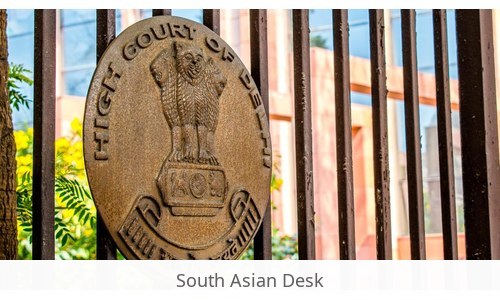
The messaging app has challenged the government order in a New Delhi court, claiming the measure is unconstitutional and amounts to a disproportionate restriction on free speech. In its petition, the company took strong objection to the government’s meeting minutes, calling them a “one-sided and inaccurate account of the discussions” that “deliberately” omitted details of the company’s proactive processes.
The case, Telegram Messenger LLP v. Union of India, is being closely watched as one of the most significant technology-law disputes of 2026, with questions at stake concerning freedom of speech, intermediary liability, examination integrity, executive power, and the constitutional limits of internet restrictions in India.
The government has also ordered Telegram to disable its message-editing feature until 30 June 2026, saying the function was being used to fabricate evidence of paper leaks.
A Familiar Battleground for the Modi Government
The dispute marks the latest confrontation between a major technology platform and the Modi administration, following the government’s legal battle last year with Elon Musk’s X over the company’s refusal to comply with content takedown demands.
WhatsApp remains the most popular messaging app in India with over 500 million users, but Telegram holds a distinctive position in the market. Its groups can hold up to 200,000 members, far beyond WhatsApp’s cap of 1,024, and it allows users to interact without exposing a phone number. Those features have also made it a platform of choice for fraud and illicit trade, critics argue, though Telegram disputes those characterisations and says it acts promptly against bad actors.
Published in SouthAsianDesk, June 19, 2026
Follow SouthAsianDesk on X, Instagram and Facebook for insights on business and current affairs from across South Asia.