Pakistan Hepatitis Crisis Raises Alarm After WHO Findings
Pakistan hepatitis crisis has returned to the centre of public health debate after new World Health Organisation findings showed that viral hepatitis remains one of the world’s leading infectious disease killers, despite being preventable, treatable and, in the case of hepatitis C, curable.
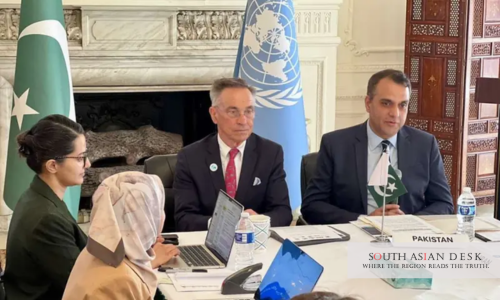
Pakistan has pushed for stronger global action against hepatitis as health experts warn that current progress is too slow to meet the 2030 elimination target. The concern is especially urgent for Pakistan, which carries one of the world’s heaviest burdens of hepatitis C and also has millions of people living with hepatitis B.
The WHO’s Global Hepatitis Report 2026 found that hepatitis B and C together account for more than 95% of deaths linked to viral hepatitis. Globally, an estimated 287 million people were living with chronic hepatitis B or C in 2024, while around 1.34 million people died from hepatitis-related causes, including liver cirrhosis and liver cancer.
The report also warned that too many infections remain undiagnosed and untreated. That gap is central to Pakistan’s challenge. WHO has previously estimated that more than 13.8 million people in Pakistan are living with hepatitis B or C, including around 10 million people with hepatitis C and 3.8 million with hepatitis B.
Only a fraction of affected people know they are infected. This makes hepatitis particularly dangerous: many patients do not develop obvious symptoms for years, but untreated infection can silently damage the liver and later lead to life-threatening disease.
Why Hepatitis C in Pakistan Is a Global Concern
Pakistan’s hepatitis burden is not only a national health issue; it is a global elimination challenge. If countries with the largest number of infections fail to expand testing and treatment, the world will struggle to meet the target of eliminating viral hepatitis as a public health threat by 2030.
Hepatitis C is curable with short-course antiviral treatment, often within eight to twelve weeks. Hepatitis B can be prevented through vaccination and managed through long-term treatment. Yet access to diagnosis, treatment and follow-up remains uneven.
In Pakistan, transmission is strongly linked to unsafe medical and non-medical practices. These include reused syringes, unsterilised medical and dental instruments, inadequately screened blood transfusions, unsafe surgical procedures, body piercing, tattooing and even shaving practices at barber shops where blades are reused.
This means Pakistan’s hepatitis crisis is not only about medicines. It is also about infection control, regulation, public awareness and primary healthcare.
A successful response would require mass screening, affordable treatment, safe injection practices, strict blood-bank regulation, newborn hepatitis B vaccination, and stronger monitoring of clinics, dental practices and informal healthcare providers.
WHO Report Shows Progress, But Not Enough
The WHO report did identify some global progress. New chronic hepatitis B infections have declined since 2015, and hepatitis C-related deaths have fallen. Hepatitis B prevalence among children under five has also decreased globally, showing that vaccination can work when coverage is strong.
But the overall message was still worrying. WHO said the world remains off track for hepatitis elimination. Millions of people are still being infected, and many diagnosed patients are not receiving treatment.
Treatment coverage remains particularly weak. Fewer than 5% of people living with chronic hepatitis B were receiving treatment in 2024, while only 20% of people eligible for hepatitis C treatment had received it since 2015. WHO also said 11 million people diagnosed with hepatitis C in 2024 were still not on treatment.
For Pakistan, these findings underline the need to move beyond awareness campaigns and towards large-scale implementation. The country does not only need to tell people hepatitis is dangerous; it needs to make testing and treatment routine, affordable and accessible.
Pakistan’s Elimination Programme
Pakistan has already announced ambitious targets under the Prime Minister’s National Programme for the Elimination of Hepatitis C Infection. WHO has said the programme aims to test 50% of the eligible population, or around 82.5 million people aged 12 and above, and treat 5 million people by 2027.
If implemented effectively, this could become one of the world’s most important hepatitis elimination efforts. But the scale of the task is enormous. Screening tens of millions of people requires trained staff, test kits, reliable data systems, public trust and treatment capacity.
Treatment must also be linked to diagnosis. Screening alone will not reduce deaths unless people who test positive are quickly connected to confirmatory testing, counselling and antiviral therapy.
Pakistan also needs stronger prevention. Without stopping unsafe injections and contaminated instruments, new infections will continue even as existing patients are treated.
This is why experts often argue for integrating hepatitis services into primary healthcare. Testing should be available not only in major hospitals but also in district facilities, rural health centres, mobile clinics and community-based programmes.
Global Action Must Match the Scale of the Disease
Pakistan’s call for global action reflects a wider frustration among high-burden countries: the tools exist, but financing, political will and delivery systems remain insufficient.
International support can help with diagnostics, medicines, surveillance, training and public-health campaigns. Global partnerships can also reduce the cost of test kits and antiviral medicines, support local production, and help countries build stronger data systems.
However, domestic political commitment is equally important. Hepatitis elimination cannot be achieved through donor support alone. It requires national financing, provincial coordination, regulation of unsafe health practices and sustained public communication.
The World Hepatitis Summit 2026 also called for faster action, warning that preventable deaths will continue unless countries expand testing, treatment and vaccination. Its message was clear: hepatitis elimination is possible, but only if governments treat it as an urgent public-health priority rather than a neglected disease.
What Pakistan Needs to Do Next
Pakistan’s immediate priorities are clear.
First, testing must be expanded. Millions of people do not know they are infected, and undiagnosed patients remain at risk of liver failure, cancer and continued transmission.
Second, treatment must be made easier to access. Hepatitis C is curable, but patients need affordable medicines, simplified referral systems and follow-up care.
Third, hepatitis B vaccination must be strengthened, especially the birth dose within 24 hours of delivery. This is one of the most effective ways to prevent lifelong infection.
Fourth, unsafe injections and unregulated medical practices must be tackled seriously. Reuse of syringes and poor sterilisation are among the main drivers of infection in Pakistan.
Fifth, blood transfusion services need strict screening and enforcement. Unsafe blood remains a preventable route of transmission.
Finally, Pakistan needs reliable national data. Without strong surveillance, it is difficult to know where infection rates are highest, which interventions are working, and where resources should be directed.
The WHO findings are alarming, but they also show that the crisis is solvable. Pakistan already has the medical tools needed to prevent, detect and treat hepatitis. The challenge is delivery at scale.
If Pakistan can turn its elimination programme into a functioning nationwide system, it could save hundreds of thousands of lives and become a model for other high-burden countries. If not, hepatitis will continue to silently damage families, strain hospitals and cause preventable deaths for years to come.
Published in SouthAsianDesk, June 25, 2026
Follow SouthAsianDesk on X, Instagram and Facebook for insights on business and current affairs from across South Asia.