India summer crop planting has fallen sharply behind last year’s pace after a weak and delayed start to the monsoon season disrupted sowing of key crops including rice, cotton, corn and soybeans.
Farmers had planted summer-sown crops across 18.27 million hectares as of June 25, nearly 23 percent lower than the same period last year, according to data from India’s Ministry of Agriculture and Farmers’ Welfare reported by Reuters. The slowdown has raised early concerns over crop acreage, rural incomes and possible pressure on food prices if rainfall does not improve quickly.
The monsoon remains central to India’s agricultural calendar. Farmers usually begin kharif sowing in June and July after the arrival of seasonal rains, which replenish soil moisture and support crops grown during the summer monsoon season. This year, the southwest monsoon reached Kerala three days late and then stalled across parts of western India for around two weeks, delaying field activity in important farming regions.
India Summer Crop Planting Hit by Weak Early Rainfall
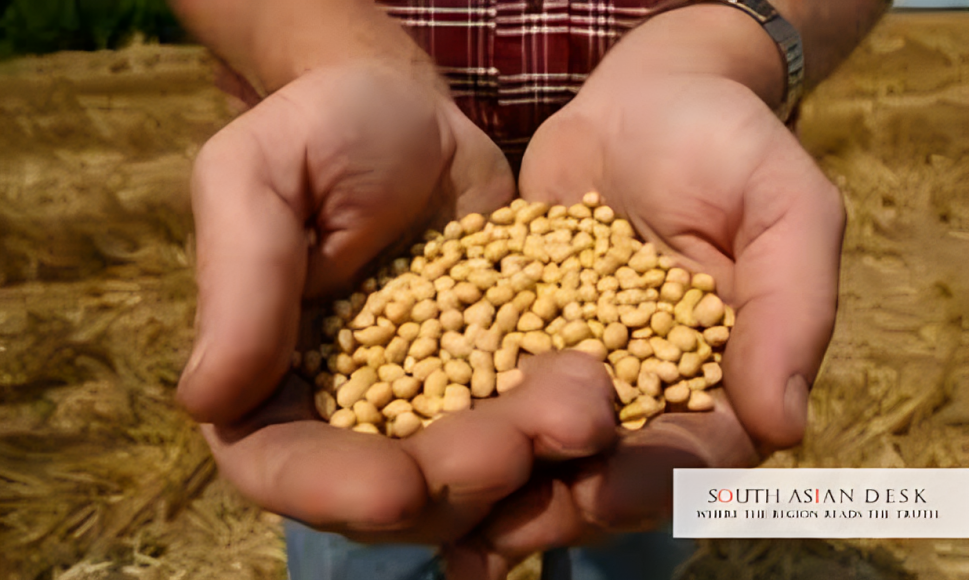
The latest sowing data shows broad-based weakness across several major crops. Rice planting stood at 2.58 million hectares as of June 25, down from 3.44 million hectares a year earlier. Soybean planting dropped 65 percent to 692,000 hectares, while corn was down 16 percent at 1.57 million hectares. Cotton acreage fell 35 percent to 2.97 million hectares. Sugar cane was the main exception, rising 1.2 percent to 5.7 million hectares.
The rainfall picture explains much of the slowdown. Since the monsoon season began on June 1, India has received 42 percent less rainfall than normal, with some regions facing deficits as high as 92 percent, according to weather department data cited by Reuters.
The slow start follows earlier warnings that below-average rainfall in central and northern states could delay planting of rice, cotton, soybeans and pulses. Reuters reported on June 11 that the monsoon had covered southern regions but was expected to remain weak across central and northern India in the following fortnight, where many important rain-fed farms are located.
Why Kharif Sowing Matters for India
Kharif sowing is one of the most important phases of India’s agricultural year. Crops planted during the monsoon season include rice, cotton, corn, soybeans, pulses, sugar cane and coarse cereals. These crops affect food supply, textile production, cooking oil imports, animal feed and rural consumption.
A delayed start does not automatically mean a poor harvest. Farmers can still catch up if rainfall improves in late June and July. But the planting window is not unlimited. If rains remain weak for too long, farmers may reduce acreage, switch crops or sow late, which can affect yields even if rainfall improves later.
That is why the first half of July will be closely watched. Traders quoted by Reuters said adequate rain during that period would be needed for farmers to take advantage of the remaining sowing window. A sustained shortage would affect both planted area and crop yields.
Rice Planting in India Carries Global Significance
The slowdown in rice planting is especially important because India is the world’s largest rice exporter, accounting for about 40 percent of global shipments. Any major change in Indian rice output can influence global prices, especially for Asian and African importers that rely on Indian supplies.
For now, the risk is partly cushioned by high government rice stocks. Reuters reported that rice stocks in government warehouses were at a record high for the start of June, up 15 percent from a year earlier. That buffer gives New Delhi more room to manage domestic supply if the crop outlook weakens.
Still, rice remains highly sensitive to monsoon performance. Paddy cultivation needs reliable water availability, especially in transplanting areas. If rainfall improves in July, rice acreage could recover. If it remains uneven, the impact may show up later in output estimates and market sentiment.
Soybean and Cotton Weakness Adds Pressure
The sharp drop in soybean planting is another concern. India is a major consumer and importer of edible oils, and domestic soybean output helps determine how much pressure the country faces to import palm oil, soyoil and sunflower oil. India sources palm oil mainly from Indonesia and Malaysia, while soyoil and sunflower oil are imported from countries including Argentina, Brazil, Russia and Ukraine.
A weaker soybean crop could therefore increase reliance on vegetable oil imports, depending on how the season develops. That matters for inflation because edible oils are an important part of household consumption.
Cotton acreage is also being watched closely. A 35 percent decline at this stage does not confirm a final shortfall, but it signals that farmers in cotton-growing regions may be waiting for better soil moisture before sowing. Cotton is important for India’s textile industry, rural employment and exports, making monsoon progress critical for both farmers and manufacturers.
El Niño Adds to Monsoon Anxiety
The weak start has come amid concerns over El Niño conditions. Earlier this month, Reuters reported that India’s weather bureau expected moderate to strong El Niño conditions during the June-September monsoon season, raising concerns about rainfall and crop prospects. The Indian Ocean Dipole, another climate pattern that can influence rainfall, was expected to remain neutral through the season.
El Niño does not always produce a failed monsoon, but it increases uncertainty. For policymakers, that uncertainty matters because food inflation can quickly become a political and economic challenge in India. If crop prospects deteriorate, the government may have to rely on stock releases, trade measures or import management to stabilise prices.
Food Inflation Risk Depends on July Rainfall
The immediate price impact of the delayed sowing remains unclear. India still has time to recover if the monsoon gains momentum, and strong rice stocks provide a buffer. However, weak rainfall across July would make the situation more serious.
Food inflation risk would be most visible in crops where inventories are lower or import dependence is high. Pulses and edible oils are particularly sensitive because India already relies on imports to meet part of domestic demand. Cotton and corn would affect different parts of the economy, including textiles, animal feed and processed food supply chains.
For rural India, delayed planting also affects labour demand and farm incomes. The monsoon season supports not only crop output but also spending power in villages, which feeds into demand for consumer goods, two-wheelers, fertilisers and farm equipment.
A Slow Start, Not Yet a Failed Season
The key point is that India’s summer crop planting has started badly, but the season is not decided. Monsoon patterns can change quickly, and strong July rains could allow farmers to recover much of the lost ground.
The next few weeks will determine whether the current lag remains a temporary delay or becomes a deeper agricultural problem. If rainfall improves, rice, cotton, corn and soybean sowing may accelerate. If the deficit persists, India could face lower acreage, weaker yields and renewed pressure on food prices.
For now, the slow monsoon start has placed India’s kharif season under scrutiny. Farmers, traders and policymakers are all waiting for the same thing: a sustained revival in rainfall before the planting window narrows further.
Published in SouthAsianDesk, June 30, 2026
Follow SouthAsianDesk on X, Instagram and Facebook for insights on business and current affairs from across South Asia.