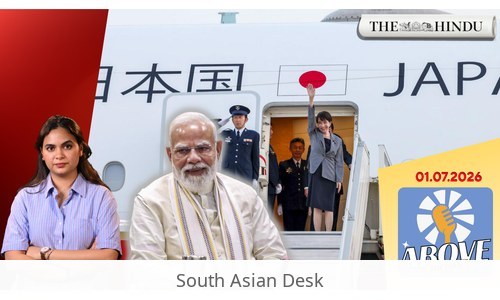
Japan India relations have taken a significant step forward with Japanese Prime Minister Sanae Takaichi’s visit to India on July 1, 2026. The visit aimed to deepen strategic ties between the two nations amid evolving geopolitical landscapes. Discussions on regional security, legal developments, and economic partnerships underscore the growing alignment between Japan and India in the Indo-Pacific region. This engagement comes at a pivotal moment as both nations seek to reinforce their positions in a region marked by shifting power dynamics and economic interdependence.
Japan India relations: Strategic Implications for Indo-Pacific Security
Takaichi’s visit highlights the strategic importance of Japan India relations in the Indo-Pacific. Both nations have expressed interest in reinforcing maritime security frameworks and enhancing economic partnerships. The discussions also touched on regional trade agreements, with officials emphasizing the need for coordinated efforts to counter emerging security challenges. While no formal agreements were announced, the visit signals a strengthening of bilateral engagement in defense and infrastructure projects.
The Indo-Pacific has long been a focal point for Japan’s foreign policy, with the nation positioning itself as a key player in maintaining a free and open regional order. India, similarly, has sought to expand its influence through initiatives like the Quad (Quadrilateral Security Dialogue) and the Indo-Pacific Oceans Initiative. Takaichi’s visit aligns with these priorities, reflecting a shared commitment to countering destabilizing forces in the region. Analysts note that the alignment between Japan and India could influence the balance of power in the Indo-Pacific, particularly in light of shifting U.S. foreign policy priorities. However, the extent of this influence remains to be seen as both nations navigate complex diplomatic relationships.
The visit also included discussions on defense technology transfers, with Japanese officials highlighting their willingness to support India’s maritime capabilities through joint research and development. This builds on previous collaborations, such as Japan’s involvement in India’s defense modernization programs and infrastructure projects under the Japan-India Economic Partnership Agreement. The two nations have also explored avenues for cooperation in renewable energy, with Japan’s expertise in solar and hydrogen technologies complementing India’s growing demand for sustainable energy solutions.
Domestic Reactions in India
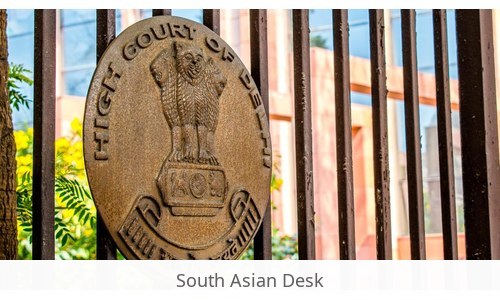
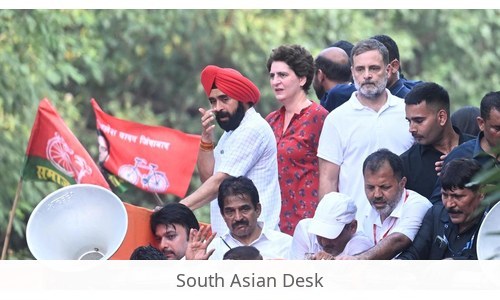
Indian political leaders and parties responded positively to Takaichi’s visit, with Prime Minister Narendra Modi welcoming the strengthening of bilateral ties. The Delhi High Court’s ruling in BJP MP Raghav Chadha’s case, discussed during the visit, sparked debate about judicial independence and political accountability. Media coverage highlighted the significance of the ruling, though public sentiment remained divided on its implications.
The Chadha case, which centered on allegations of misuse of parliamentary privileges, has been a contentious issue in Indian politics. The Delhi High Court’s decision to uphold the ruling has been interpreted by some as a reaffirmation of judicial independence, while critics argue it may set a precedent for political interference in legal matters. The discussion during Takaichi’s visit underscored the broader challenges of maintaining an impartial judiciary in a democracy where political and legal spheres often intersect.
The visit also included references to the U.S. Supreme Court’s recent ruling on birthright citizenship, which was framed as part of a broader discussion on global legal and governance trends. Indian officials emphasized the importance of maintaining judicial integrity while addressing domestic legal challenges. This dialogue reflects a growing awareness of how legal frameworks in one region can influence policy debates in another, particularly in the context of migration, citizenship, and human rights.
Contextualizing the Visit
Japan India relations are crucial as both countries seek to bolster their positions in the Indo-Pacific region amidst rising global tensions. Japan’s strategic pivot to the Indo-Pacific, driven by concerns over China’s assertiveness in the South China Sea and the East China Sea, has found a natural ally in India, which has its own strategic interests in maintaining regional stability. The two nations have also collaborated on counterterrorism efforts, with Japan providing technical and financial support for India’s maritime surveillance capabilities.
Economically, the visit reinforced commitments to deepen trade and investment ties. Japan has been a significant investor in India’s infrastructure sector, with projects ranging from railway systems to urban development. The two countries have also explored opportunities for collaboration in the digital economy, including joint ventures in artificial intelligence and cybersecurity. These economic ties are expected to grow further as both nations seek to diversify their trade relationships amid global supply chain disruptions.
Follow SouthAsianDesk on X, Instagram and Facebook for insights on business and current affairs from across South Asia.
Image: th-i.thgim.com