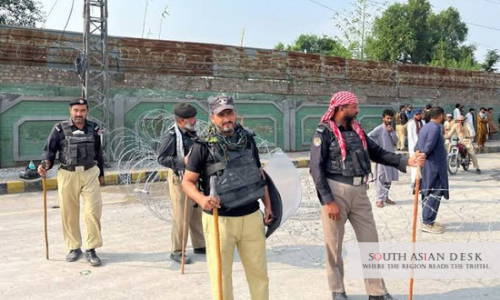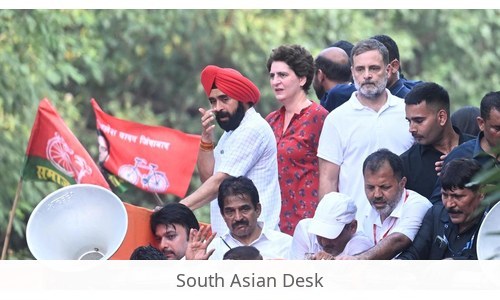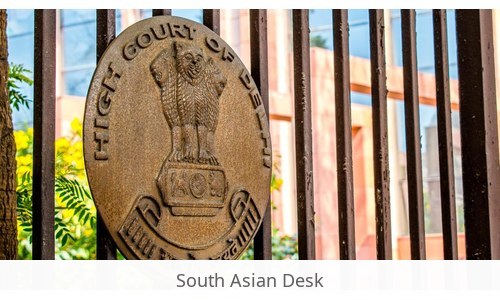
The Jantar Mantar protest site closure has sparked a legal challenge as the Delhi High Court prepares to hear a plea on October 12, 2026. The closure has raised concerns about the curtailment of peaceful demonstrations in the city, with petitioners arguing that alternative venues have not been adequately provided. This development marks a pivotal moment in the ongoing discourse around protest rights and the balance between public safety and civil liberties in India.
Jantar Mantar protest site closure: Government’s Justification for Closure
The government cited public order and security concerns as the rationale for closing Jantar Mantar, a historically significant protest site in central Delhi. Officials announced the designation of three new protest sites: Ramlila Maidan, Burari Maidan, and CBD Ground. While the government maintains these alternatives are sufficient, critics argue they lack the accessibility and symbolic weight of Jantar Mantar. This decision aligns with the government policy on protests, which emphasizes balancing public safety with the right to assemble. However, the move has drawn sharp criticism from civil society groups, who argue that the closure undermines the civil liberties in India enshrined in the Constitution.
Public and Political Reactions
Public sentiment has been divided, with activists and political figures expressing concern over the potential erosion of protest rights. Prominent civil rights organizations have called for transparency in the selection of new protest sites, emphasizing the need for inclusive dialogue. Meanwhile, some political leaders have voiced support for the government’s decision, citing the need to prevent disruptions to daily life in the capital. The debate has also reignited discussions about the role of Delhi protests in shaping national policy and the importance of preserving democratic spaces for dissent.
Implications for Civil Liberties
The Jantar Mantar protest site closure has reignited debates about the balance between security and civil liberties in India. Historically, the site has been a focal point for mass protests, including movements for social reform and political change. Legal experts note that restricting protest sites could set a precedent for limiting the right to peaceful assembly, a fundamental constitutional right. The Delhi High Court’s ruling may influence future policies on public demonstrations across the country, particularly in the context of Delhi protests. The Delhi High Court hearing on October 12 is expected to address critical questions about the legality of the closure and the adequacy of the proposed alternatives.
Historical Context and Legal Precedents
Jantar Mantar has long been a symbol of democratic dissent in India, hosting protests ranging from anti-corruption movements to demands for environmental justice. Its closure raises questions about the government’s approach to managing Delhi protests and the potential for similar actions in other cities. Legal scholars have pointed to past rulings that emphasize the importance of designated protest sites in upholding protest rights. The current case may test the judiciary’s willingness to uphold these principles in the face of evolving security challenges.
The Role of the Judiciary
The Delhi High Court hearing on October 12 is a critical juncture in this legal battle. Petitioners argue that the closure violates the right to peaceful assembly under Article 19 of the Indian Constitution, while the government contends that the move is necessary to maintain public order. The court will need to weigh these competing interests and determine whether the new protest sites meet the constitutional standards for free expression. The outcome could set a significant precedent for future government policy on protests and the protection of civil liberties in India.
Follow SouthAsianDesk on X, Instagram and Facebook for insights on business and current affairs from across South Asia.
Sources
- Delhi HC to hear on Tuesday plea against ‘closure’ of Jantar Mantar as protest site – thehindu.com
- Jantar Mantar No Longer A Protest Venue, Delhi Gets 3 New Designated Sites – ndtv.com
Image: th-i.thgim.com