US-Iran Doha talks concluded in Qatar with discussions centred on the Strait of Hormuz, as diplomatic efforts continued to reduce tensions around one of the world’s most important shipping lanes.
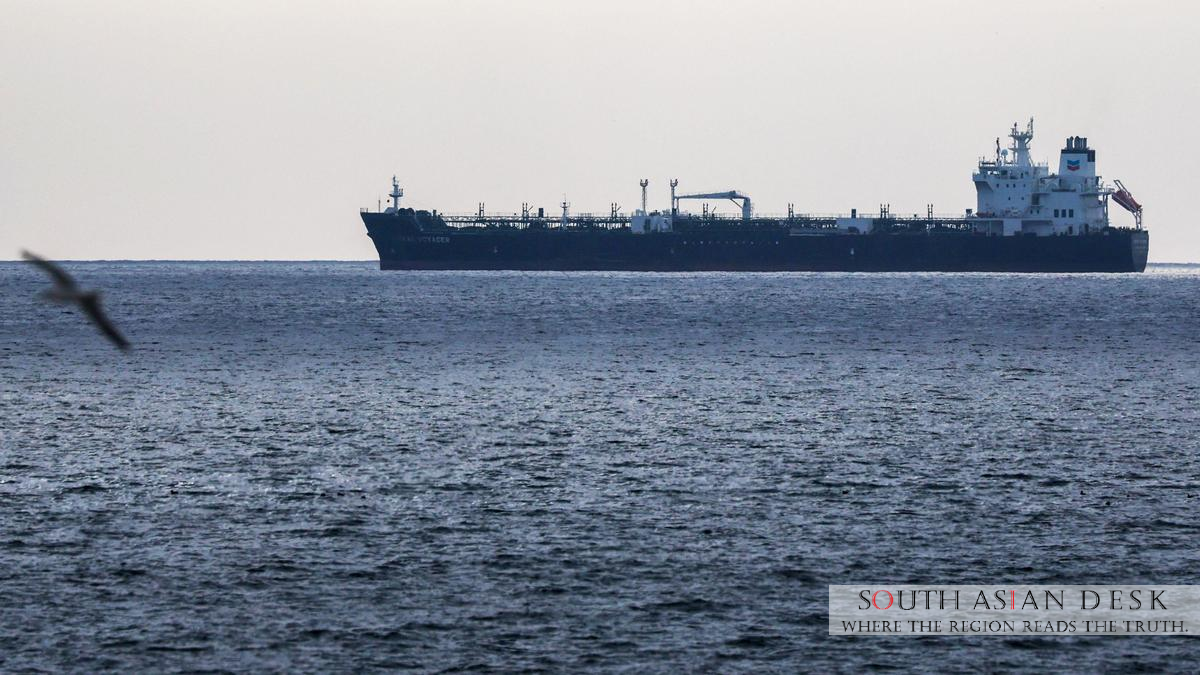
The talks brought renewed attention to maritime security in the Persian Gulf, where any disruption to shipping through the Strait of Hormuz can quickly affect global oil markets, insurance costs and commercial trade. The waterway is a critical route for energy exports from the Gulf, making it a central issue in any effort to stabilise relations between Washington and Tehran.
The discussions were held in Doha with Qatar and Pakistan playing a mediating role. The talks did not signal a full settlement between the United States and Iran, but they showed that both sides remained engaged in diplomacy over the immediate security risks surrounding the strait.
US-Iran Doha Talks Centre on Shipping Security
The Strait of Hormuz has become the main focus because it sits at the heart of regional energy security. Oil and gas shipments from several Gulf producers pass through the narrow waterway, and rising tensions there can push up shipping costs and unsettle energy markets.
For the United States, the key issue is freedom of navigation and ensuring that commercial vessels can move safely through the strait. For Iran, the discussions involve sovereignty, security concerns and its claimed role in managing activity near its coastline.
That tension has made the Hormuz issue difficult to separate from wider US-Iran disputes. Even if the talks were focused on shipping, they sit within a broader context of sanctions, regional security concerns and long-running mistrust between the two countries.
Qatar and Pakistan Mediation Remains Central
Qatar and Pakistan’s role is important because Washington and Tehran do not have normal diplomatic relations. Doha and Islamabad have repeatedly served as a channel for indirect communication, allowing both sides to exchange positions without holding direct talks at the highest political level.
The conclusion of the Doha round suggests that diplomacy is still active, even if progress remains limited. Any durable arrangement on the Strait of Hormuz would likely require clear understandings on vessel safety, naval activity, enforcement mechanisms and the treatment of commercial shipping.
For Gulf states, the talks are not just a bilateral matter between the United States and Iran. Stability in the strait affects regional exports, port activity, insurance rates and investor confidence across the wider Gulf economy.
Strait of Hormuz Dispute Keeps Markets Alert
Oil markets closely follow developments around the Strait of Hormuz because the route is too important to ignore. Even a temporary rise in tensions can increase risk premiums, while signs of dialogue can calm prices.
Shipping companies also need certainty. If vessels face unclear rules, military warnings or the possibility of confrontation, many operators may delay voyages, reroute where possible or demand higher insurance cover.
That is why the latest US Iran talks matter even without a major breakthrough. A limited reduction in risk around the strait can still have practical consequences for shipping and energy markets.
What Comes Next?
The immediate question is whether the Doha discussions lead to further rounds of talks or a more defined maritime understanding. A workable arrangement would need to reassure commercial shippers while giving both Washington and Tehran enough room to defend their positions politically.
For now, the talks should be read cautiously. They show diplomatic engagement, not a completed agreement. The Strait of Hormuz remains the core issue, and any future progress will depend on whether both sides can move from discussion to practical guarantees for safe passage.
Published in SouthAsianDesk, July 2, 2026
Follow SouthAsianDesk on X, Instagram and Facebook for insights on business and current affairs from across South Asia.