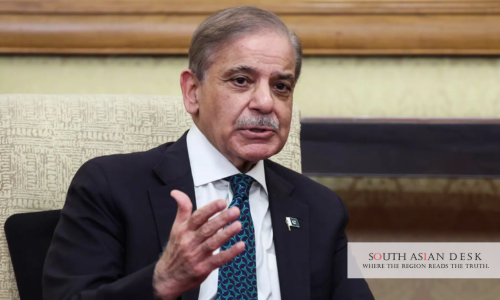
PM Shehbaz’s Iran and Turkiye visit is expected to take place from July 3 to 6 as Pakistan continues diplomatic efforts aimed at reducing tensions in the Middle East, according to sources cited by Dawn.
Prime Minister Shehbaz Sharif is expected to meet the leadership of both countries during the visit. The trip comes at a sensitive stage in regional diplomacy, with Pakistan trying to sustain momentum behind recent mediation efforts involving Iran, the United States, Qatar and other regional stakeholders.
The expected visit follows the Islamabad Memorandum of Understanding, a framework that Pakistan has described as part of a wider process to support de-escalation and keep communication channels open. The agreement has been followed by further diplomatic engagement, including talks in Switzerland involving Pakistan and Qatar as mediators.
Why PM Shehbaz’s Iran and Turkiye Visit Matters
PM Shehbaz’s Iran and Turkiye visit matters because the diplomatic process remains fragile. Recent military exchanges in the Gulf have raised concerns that renewed violence could undermine talks between the United States and Iran, even as both sides have agreed to resume discussions.
The Strait of Hormuz remains central to the crisis. The waterway is one of the world’s most important energy routes, and any threat to commercial shipping there can quickly affect oil prices, maritime insurance, supply chains and regional security.
For Pakistan, the risks are not distant. A wider conflict in the Middle East could affect fuel prices, remittances, trade routes and security along Pakistan’s border with Iran. Islamabad therefore has a direct interest in preventing further escalation and encouraging a negotiated settlement.
Pakistan’s Mediation Efforts Continue
Pakistan has presented itself as a diplomatic facilitator rather than a party to the conflict. Its role has focused on encouraging dialogue, supporting communication between the main actors and working with partners such as Qatar to prevent the situation from spiralling further.
The Islamabad MoU is central to this effort. Pakistan’s Foreign Office has said the memorandum was signed electronically between the United States and Iran, and that Pakistan later helped host follow-up discussions in Switzerland alongside Qatar.
Those talks produced mechanisms for further engagement, including technical-level discussions and channels aimed at preventing miscalculation. However, the process remains vulnerable because the main disputes have not been fully resolved.
Iran Visit Will Be the Key Leg
The Iran leg of the visit is likely to be the most closely watched. Pakistan shares a long border with Iran and has maintained regular diplomatic contact with Tehran throughout the crisis.
For Islamabad, the challenge is to reassure Iran while also encouraging restraint. Pakistan wants to preserve its credibility as a mediator, but it must also avoid being seen as taking sides. That balance is especially important because Pakistan has ties with Iran, the United States, Gulf states and Turkiye.
Iran’s position in the crisis remains shaped by sanctions, regional security concerns and the situation around the Strait of Hormuz. Any meeting between Shehbaz and Iranian leaders is therefore likely to focus on keeping the diplomatic track alive and avoiding further military escalation.
Turkiye’s Role in Regional Diplomacy
Turkiye is also an important part of the expected diplomatic tour. Ankara has its own channels with Iran, the United States and regional capitals, making it a useful partner in broader de-escalation efforts.
A visit to Turkiye would allow Pakistan to coordinate its diplomatic messaging with another influential Muslim-majority country. It would also signal that Islamabad wants regional actors to remain engaged in efforts to contain the conflict.
Turkiye’s involvement could help broaden support for talks, especially if the US-Iran process faces further setbacks. Pakistan’s outreach to Ankara is therefore likely to focus on regional coordination, continued dialogue and the need to prevent the conflict from expanding.
A Careful Diplomatic Balancing Act
Pakistan’s role should not be overstated. Islamabad cannot impose a settlement on the United States, Iran or other regional actors. What it can do is facilitate communication, encourage restraint and support a process that gives diplomacy more space.
That distinction is important. The expected visit does not mean a breakthrough is guaranteed. It shows that Pakistan intends to remain active in mediation efforts at a time when the diplomatic track is still under pressure.
For now, PM Shehbaz’s Iran and Turkiye visit signals continued Pakistani engagement in one of the region’s most serious crises. The real test will be whether these diplomatic contacts can help sustain talks, reduce the risk of further escalation and keep the fragile peace process from collapsing.
Published in SouthAsianDesk, June 30, 2026
Follow SouthAsianDesk on X, Instagram and Facebook for insights on business and current affairs from across South Asia.