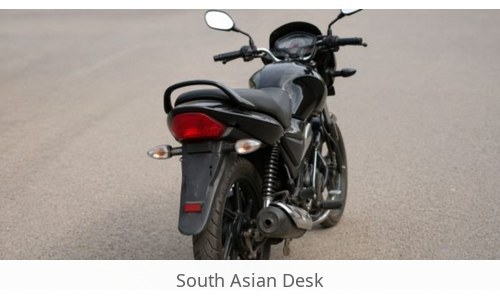
bike taxi regulations South Asia are at the center of a new proposal by a consumer advocacy group, which urges South Asian governments to permit private bikes for bike taxi services while recommending a phased electrification approach to enhance sustainability. The Indian Express reported that the group’s proposals aim to improve urban mobility and align with regional climate goals, while Dawn Business highlighted regulatory challenges in Pakistan’s e-motorcycle rollout.
bike taxi regulations South Asia: Economic Impact
The advocacy group’s recommendations could expand job opportunities in the bike taxi sector, particularly for informal workers. By allowing private bikes, the proposal may increase service availability in underserved areas, potentially boosting local businesses reliant on accessible transportation networks. However, policymakers must balance growth with safety standards and labor protections. The informal nature of many bike taxi operations in South Asia raises concerns about worker rights, insurance coverage, and fair wages. A transition to formalized private bike participation could address these gaps, but requires robust frameworks to ensure compliance with licensing, insurance, and safety protocols. In cities like Delhi and Karachi, where bike taxis are already a critical part of daily commutes, the expansion of private participation could reduce wait times and improve service reliability, though it may also intensify competition among operators.
Environmental Implications
A phased transition to electric bike taxis aligns with South Asia’s broader climate commitments. The Indian Express noted that electrification could reduce carbon emissions from short-distance travel, a significant contributor to urban pollution. This shift would also lower fuel costs for operators and commuters, though infrastructure investments in charging stations remain critical. Regulations in South Asia must address these infrastructure needs to ensure successful electrification. South Asia’s urban centers face severe air quality challenges, with cities like Lahore and Dhaka frequently exceeding World Health Organization pollution thresholds. Electrification of bike taxis, if implemented alongside public transit upgrades, could complement existing efforts to curb emissions from diesel vehicles. However, the region’s energy grid, which relies heavily on coal, necessitates parallel investments in renewable energy sources to fully realize the environmental benefits. The phased approach recommended by the advocacy group allows governments time to build charging infrastructure and train operators, while also addressing affordability concerns for low-income riders.
Regulatory Challenges
Governments face hurdles in implementing these changes to bike taxi regulations South Asia. Dawn Business reported that Pakistan’s National Assembly is addressing gaps in e-motorcycle regulation, including the absence of a dedicated authority for enforcement. Similar challenges exist across the region, where inconsistent licensing frameworks and safety standards may delay adoption. A coordinated regulatory approach could help address these issues. For instance, India’s recent push to standardize e-vehicle safety norms could serve as a model for neighboring countries. However, the lack of cross-border collaboration on e-mobility policies remains a barrier. In Nepal and Bangladesh, where bike taxi services are less formalized, the absence of clear regulations has led to fragmented enforcement and safety risks. Establishing a regional task force to harmonize standards could accelerate progress, though political and bureaucratic inertia may slow such initiatives.
Regional Coordination and Future Steps
The proposal underscores the need for regional coordination to address shared challenges in urban mobility and sustainability. South Asia’s interconnected economies and environmental vulnerabilities make collaborative policy-making essential. For example, the South Asian Association for Regional Cooperation (SAARC) could play a role in facilitating knowledge exchange on e-mobility frameworks. However, historical tensions and varying levels of development across member states may complicate such efforts. In the short term, individual countries may prioritize localized solutions, such as pilot programs for electric bike taxis in major cities. Long-term success will depend on sustained investment in infrastructure, public awareness campaigns, and incentives for operators to adopt greener practices.
Follow SouthAsianDesk on X, Instagram and Facebook for insights on business and current affairs from across South Asia.
Sources
- Ease bike taxi rules: permit private bikes, phase electrification, says consumer advocacy group – indianexpress.com
- NA panel flags key hurdles to e-bike rollout in Pakistan – dawn.com
Image: images.indianexpress.com