The Phu Quoc speedboat accident that killed 15 Indian tourists off Vietnam’s southern coast has prompted the country’s maritime regulator to order port authorities nationwide to tighten waterway safety, review vessel licensing, and inspect passenger boats operating on high-traffic tourist routes.
The Việt Nam Maritime and Waterway Administration issued the directive on July 12, a day after the accident, instructing units under its jurisdiction to reinforce waterway traffic order and safety across the country. The order was signed by the administration’s director, Lê Đỗ Mười, and sent to maritime and waterway port authorities and sub-departments nationwide.
What Happened in the Phu Quoc Speedboat Accident
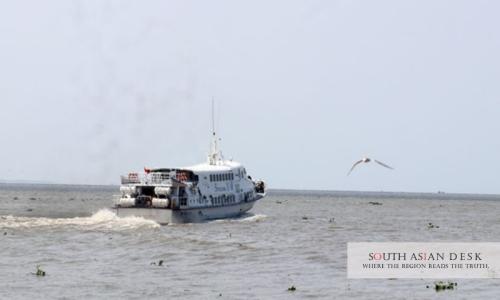
The vessel, operated by Ocean Pear Island Company, was carrying 32 Indian tourists and four Vietnamese crew members from Hon May Rut Ngoai islet back to An Thoi Port when it capsized roughly 400 metres offshore on the afternoon of July 11. Witnesses said the boat overturned within minutes of departure, throwing all 36 people aboard into the sea. Nearby tourist boats, along with Vietnamese border guards, navy personnel and the coast guard, rushed to the scene, but rescuers struggled to free passengers trapped beneath the hull. Fifteen of the Indian tourists died, while 21 others were rescued and hospitalised. The Indian embassy in Hanoi has since set up control rooms to assist victims’ families, and the remains of the deceased have been repatriated to India.
Hon May Rut islet lies around 10 to 12 kilometres south of Phu Quoc, Vietnam’s largest island and one of its most visited beach destinations, known for its clear waters and coral reefs. Phu Quoc received 5.7 million visitors in the first six months of the year, including 1.32 million foreign tourists, a 50 percent increase on the same period last year. India has become one of Vietnam’s fastest-growing source markets, with roughly 750,000 Indian visitors recorded last year, a rise driven largely by expanding direct flight connections and Vietnam’s liberal e-visa policy. The captain of the capsized boat is currently under investigation, and Vietnam’s prime minister has separately ordered a broader review of maritime safety standards.
Vietnam Waterway Safety Directive: What Authorities Have Been Told to Do
Under the directive, the Kiên Giang Maritime Port Authority, which oversees waters within An Giang and Cà Mau provinces, has been instructed to keep coordinating with local authorities, border guards, coast guards and police to determine the cause of the accident, assist with recovery efforts, and identify shortcomings in tourism vessel management. It has also been tasked with reviewing every tourist boat’s registration, technical safety records, owner’s civil liability insurance and passenger insurance, along with operators’ overall compliance. Vehicles or operators found not to meet safety requirements must be proposed for temporary suspension.
More broadly, maritime port authorities and sub-departments across the country have been ordered to strictly follow instructions from the government and the Ministry of Construction to maintain waterway traffic order and safety, keep up regular supervision, and address risks as they emerge. Authorities have been told to prioritise inspections on routes with conditions similar to those at the site of the Phu Quoc speedboat accident, particularly those connecting the mainland to island destinations. Named priority routes include those from Khánh Hòa Province to Lý Sơn in Quảng Ngãi Province, Côn Đảo Special Zone in Hồ Chí Minh City, Cát Bà in Hải Phòng City and Hạ Long Bay in Quảng Ninh Province.
Inspectors have been directed to examine vessels’ safety compliance in extreme weather conditions, focusing on technical condition, life-saving and rescue equipment, communication systems and crew qualifications. Passenger control procedures, boarding and disembarkation at ports and wharves, and the functioning of Automatic Identification System trackers and other vessel-tracking devices must also be reviewed, with non-compliant operators suspended. The Việt Nam Maritime Search and Rescue Co-ordination Centre has been instructed to remain on 24-hour standby, continue assisting with post-accident recovery, and assess rescue capacity along key routes including Lý Sơn, Côn Đảo, Cát Bà, Hạ Long Bay and Phú Quốc, with a view to expanding equipment where gaps exist.
Heightened State Management of Ports and Wharves
The directive also calls for a thorough review of state management at ports and wharves nationwide, with particular attention to infrastructure, operating conditions and coordination among agencies to prevent overlapping or neglected responsibilities. Departments of Construction in cities and provinces have been instructed to work with local port authorities to inspect passenger waterborne transport routes, review the licensing of waterway terminals, and assess organisations and individuals operating passenger transport businesses in their areas, reporting or acting on any that fail to meet safety standards. Difficulties beyond local authority are to be escalated to provincial People’s Committees.
The scale of the response reflects the pressure on Vietnamese authorities to reassure both domestic and international travellers following the Phu Quoc speedboat accident, at a time when the country is working to sustain rapid growth in tourism from markets such as India. How rigorously the new inspection regime is enforced across the country’s busiest island routes is likely to shape confidence in Vietnam’s waterway safety standards in the months ahead.
Published in SouthAsianDesk, July 16, 2026
Follow SouthAsianDesk on X, Instagram and Facebook for insights on business and current affairs from across South Asia.