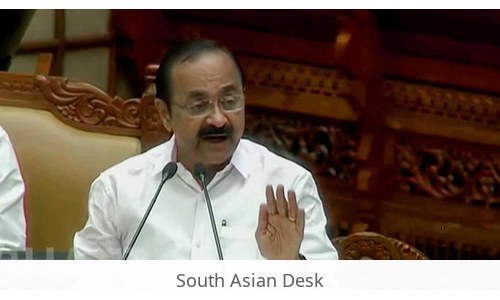
Kerala high-speed rail project: On July 15, 2026, Kerala Chief Minister P. S. Satheesan announced that a government panel found the Delhi Metro Rail Corporation’s proposal for the high-speed rail project to be incomplete. The findings raise concerns about potential mistakes reminiscent of the previously scrapped K-Rail project, which had faced significant challenges in its implementation.
Kerala high-speed rail project: Implications for Future Infrastructure Projects
The incompleteness of the proposal could lead to potential delays or changes in the Kerala high-speed rail project, which is a significant infrastructure development aimed at enhancing connectivity and economic growth in Kerala. The findings also highlight concerns about public trust and investment in infrastructure projects, as the K-Rail project’s failure had already created skepticism among stakeholders.
With Kerala’s economy heavily reliant on tourism, trade, and agriculture, improved rail connectivity could reduce transportation costs and boost regional trade. However, the current scrutiny underscores the need for meticulous planning and transparency to avoid repeating past errors. The state government’s emphasis on avoiding the K-Rail missteps signals a cautious approach to infrastructure development, prioritizing thorough evaluation over expediency.
Historical Context of the K-Rail Project
The K-Rail project, initially conceived as a high-speed rail link between Kochi and Thiruvananthapuram, faced numerous challenges including financial constraints, environmental clearances, and technical complexities. The project was eventually scrapped in 2023 after years of delays and disputes over funding and implementation. Key issues included disagreements between the state and central governments over cost-sharing, prolonged environmental impact assessments, and the difficulty of navigating Kerala’s hilly terrain and dense ecosystems.
The project’s cancellation left a legacy of caution, with critics arguing that inadequate stakeholder engagement and underestimation of logistical hurdles contributed to its failure. The current review of the Delhi Metro Rail Corporation’s proposal appears to be informed by these lessons, emphasizing the need for a more robust and transparent planning process.
Public and Political Reactions
Reactions from local stakeholders and political parties have been mixed. While some have welcomed the government’s scrutiny of the proposal, others have expressed concerns about the potential impact on infrastructure development in the state. Citizens have raised questions about the feasibility of the new proposal and the need for transparency in the planning process.
Political analysts note that the state’s fragmented legislature, with multiple parties holding significant influence, may complicate consensus-building on the project. However, the government’s decision to involve an independent panel in evaluating the proposal reflects a commitment to due diligence, even if it risks prolonging the timeline for implementation. Business groups have called for clarity on funding mechanisms and timelines, while environmental advocates have urged the state to ensure that ecological concerns are addressed comprehensively.
Regional and Economic Considerations
The high-speed rail project is part of a broader regional push for infrastructure modernization in South Asia, where connectivity projects are seen as critical to economic integration. Kerala’s strategic location along India’s southwestern coast makes it a key node in regional trade routes, and improved rail networks could enhance its role as a logistics hub. However, the project’s success hinges on resolving the issues that plagued previous initiatives.
The Delhi Metro Rail Corporation’s involvement introduces a layer of complexity, as the corporation’s track record in other states will be scrutinized. Critics argue that the central government’s role in funding and oversight must be clearly defined to prevent the recurrence of disputes that derailed the K-Rail project.
Follow SouthAsianDesk on X, Instagram and Facebook for insights on business and current affairs from across South Asia.
Sources
- Kerala high-speed rail project: CM Satheesan says govt panel finds Delhi Metro Rail Corporation proposal ‘incomplete’ – thehindu.com
- Metro man E Sreedharan’s solar rail idea runs into Kerala roadblock – indianexpress.com
Image: th-i.thgim.com