Bangladesh IMF programme negotiations are expected to begin in the coming months as the country faces weakening growth, persistent inflation and serious pressure within its banking sector.
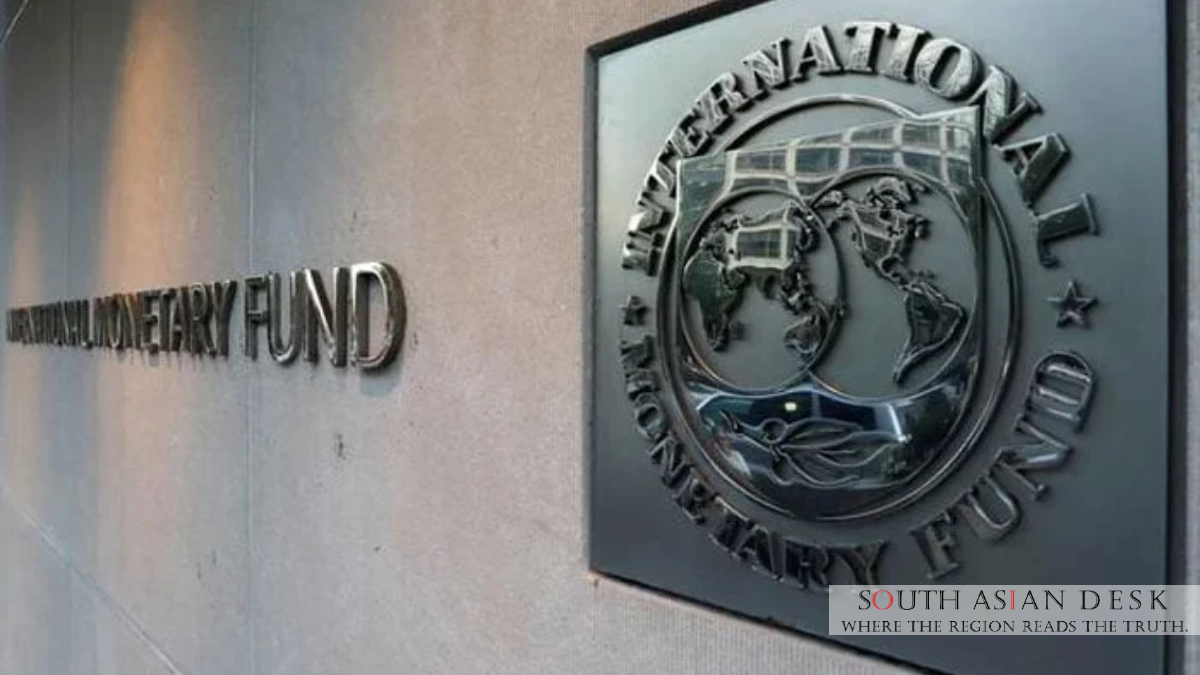
Bangladesh IMF programme discussions are expected to advance in the coming months after a Fund delegation completed a fact-finding visit to Dhaka and warned that economic growth could weaken considerably without decisive reforms.
The International Monetary Fund said its staff visited Bangladesh from July 12 to 16 at the government’s request for a new financial arrangement. The delegation examined recent economic and financial developments, discussed the government’s reform priorities and assessed the challenges facing the economy.
The lender has not yet determined the size, duration or detailed conditions of a new programme. Formal negotiations on the possible parameters of the arrangement and its associated reform commitments are expected to take place over the coming months.
Bangladesh IMF programme negotiations enter next stage
The latest visit followed Bangladesh’s decision to seek a replacement for its existing $5.5 billion IMF programme. The administration of Prime Minister Tarique Rahman chose to leave the previous arrangement after concluding that some of its conditions were not aligned with the government’s economic priorities.
Bangladesh entered the earlier programme in January 2023 during a severe foreign exchange crisis. The package combined financing under the Extended Credit Facility, Extended Fund Facility and Resilience and Sustainability Facility.
Approximately $3.8 billion has been disbursed under the arrangement so far. The programme was intended to restore macroeconomic stability, protect vulnerable households and support reforms in taxation, banking, exchange-rate management and climate resilience.
Finance Minister Amir Khosru Mahmud Chowdhury said earlier this week that the government and the IMF had established a broad framework for a new programme. He said reforms would be introduced gradually to reflect difficult economic conditions and protect public welfare.
However, detailed negotiations covering subsidies, financing requirements and other policy conditions have not yet been completed. The next round of discussions could take place around the IMF and World Bank annual meetings later in 2026.
IMF forecasts weaker Bangladesh economic growth
The IMF forecasts Bangladesh economic growth at 3.5 per cent in fiscal 2027, which began in July 2026. It warned that growth could fall below 3 per cent over the medium term if the government does not implement decisive fiscal and banking reforms.
This marks a substantial deterioration from the lender’s assessment at the beginning of 2026. In January, the IMF projected growth of 4.7 per cent in fiscal 2026 and fiscal 2027, followed by a gradual acceleration towards 6 per cent over the medium term, provided that the government implemented appropriate reforms.
The revised assessment reflects concerns that banking sector weakness, limited government revenue, external pressures and high prices could interact and further damage investment and economic activity.
The forecast is also significantly below the government’s target. Bangladesh’s national budget for fiscal 2027 aims for economic growth of 6.5 per cent and inflation of 7.5 per cent.
The 9.38 trillion taka budget increased overall expenditure by 19 per cent and development spending by 47 per cent. It projected a fiscal deficit of 2.43 trillion taka, equivalent to approximately 3.6 per cent of gross domestic product.
The difference between the government’s target and the IMF forecast highlights the scale of the challenge facing policymakers. Achieving stronger growth would require increased investment, lower inflation, improved financial stability and more effective implementation of public spending.
Middle East conflict raises economic pressure
The IMF said Bangladesh continues to face considerable fiscal, financial and inflationary pressures, which have been intensified by the conflict in the Middle East.
Higher global commodity prices and disruptions to supply routes have increased the cost of imports and government subsidies. These conditions have also renewed inflationary pressure and placed further strain on Bangladesh’s external accounts.
Bangladesh is particularly vulnerable to higher fuel and energy costs because it depends heavily on imported petroleum products and liquefied natural gas. Rising import bills can weaken foreign exchange reserves, increase production costs and place additional pressure on consumer prices.
Strong remittance inflows have provided some support to the external position, but the IMF warned that higher import costs and banking sector stress continued to threaten economic stability.
Bangladesh banking sector reforms remain critical
Bangladesh banking sector reforms are expected to be among the most important elements of any new programme.
The financial system has struggled with rising non-performing loans, weak governance, inadequate capital and concerns about the quality of bank assets. These problems can restrict the availability of credit for productive businesses and increase the potential cost of restructuring weak institutions.
The IMF said any banking sector restructuring should be based on a credible and comprehensive strategy. It called for a carefully managed clean-up of the sector to protect financial stability and support private investment.
A successful restructuring process may require stronger supervision, credible assessments of bank assets, improved loan recovery systems and adequate capital for institutions that remain financially viable.
The government has said it is already working on financial sector reforms and capital market development. The sequencing of these measures is likely to become a central issue during negotiations because rapid restructuring could create short-term fiscal and social costs, while further delays could increase long-term losses.
Revenue collection and subsidies under scrutiny
Bangladesh fiscal reforms are also expected to focus on weak revenue collection and the high cost of subsidies.
The country’s tax-to-GDP ratio remains low, limiting the government’s ability to finance healthcare, education, infrastructure and social protection without increasing borrowing.
The IMF has called for stronger revenue mobilisation and subsidy rationalisation to create fiscal space for priority development and social spending. It has also said that vulnerable households should receive targeted support to reduce the impact of tax and subsidy reforms.
Reforming subsidies can be politically and economically difficult. Reducing government support for electricity, fuel or other essential goods may improve public finances but can also increase household expenses and business costs.
The government is therefore seeking a phased reform process rather than immediate implementation of all measures. This approach is intended to preserve public welfare while gradually improving fiscal sustainability.
Monetary policy and crawling peg to continue
The IMF recommended maintaining tight monetary policy and prudent fiscal management to control Bangladesh inflation and rebuild foreign exchange reserves.
It also called for consistent implementation of the Bangladesh crawling peg exchange-rate system adopted in 2025. Under such a system, the currency is adjusted gradually rather than being held at a completely fixed rate or allowed to move without intervention.
Greater exchange-rate flexibility can help reduce the difference between official and informal currency markets, improve the availability of foreign exchange and allow the taka to respond to changing external conditions.
However, depreciation can also increase the domestic cost of imported fuel, food, machinery and industrial materials. Monetary and exchange-rate reforms will therefore need to be coordinated with measures protecting low-income households from rising prices.
New IMF loan for Bangladesh still taking shape
The proposed IMF loan for Bangladesh remains at an early stage. The Fund described its July mission as a fact-finding visit rather than a formal programme negotiation.
Key matters still to be agreed include the size of the arrangement, the financing schedule, reform targets and the timing of measures affecting taxation, subsidies, banks and the exchange rate.
Bangladesh is also seeking financial support from the World Bank and Asian Development Bank as higher energy costs, slowing economic growth and pressure on foreign exchange reserves weigh on the economy.
A new Bangladesh IMF programme could provide financing and strengthen confidence among other international lenders. Its effectiveness, however, will depend on whether the government and the IMF can agree on reforms that restore stability without placing excessive pressure on households and businesses.
The coming negotiations will therefore determine not only the amount of international financing available to Bangladesh, but also the direction of its broader economic policy during a period of heightened domestic and global uncertainty.
Published in SouthAsianDesk, July 17, 2026
Follow SouthAsianDesk on X, Instagram and Facebook for insights on business and current affairs from across South Asia.