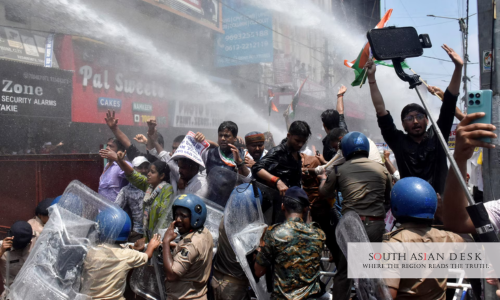
The planned Cockroach Janta Party march on parliament has been denied permission by police in New Delhi, setting the stage for a potential standoff on the opening day of parliament’s monsoon session. The decision comes as calls mount for the dismissal of Education Minister Dharmendra Pradhan following months of anger over repeated examination paper leaks that affected millions of students across India.
Cockroach Janta Party March Denied Amid Rising Tensions
Police said in a statement posted on X that strict security arrangements were in place ahead of the parliamentary session, citing the need to ensure public safety, the security of protected individuals, and the protection of key government installations. Despite the refusal, organisers of the Cockroach Janta Party have indicated that the demonstration will proceed regardless. A spokesperson for the group, speaking on condition of anonymity while final arrangements were being made, said the march was going ahead and that details were still being worked out.
Sonam Wangchuk Hunger Strike Fuels Renewed Anger
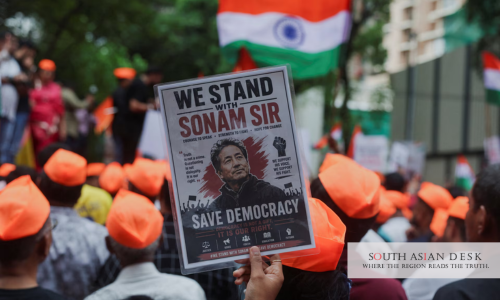
The movement has gained fresh momentum since Saturday, when police forcibly removed hunger striking activist Sonam Wangchuk from the protest site at Jantar Mantar and took him to a government hospital against his will. Wangchuk, 59, had been fasting for around three weeks in solidarity with the Cockroach Janta Party, and his removal galvanised hundreds of additional supporters to gather ahead of the planned march. In a message posted by his wife on social media, Wangchuk described the demonstration as India’s second freedom movement, framing it as a struggle for freedom from injustice.
A Delhi court had earlier ruled that authorities acted within their rights in moving Wangchuk to hospital, since he had not admitted himself despite his deteriorating health. Presiding judge Mini Pushkarna noted that doctors had administered only oral fluids and supplements with Wangchuk’s consent, adding that no force had been used against him and that his bodily autonomy had not been violated in any manner.
From Online Movement to National Challenge
What began as a largely online phenomenon has evolved into one of the more significant challenges to Prime Minister Narendra Modi’s government in recent years. The Cockroach Janta Party amassed 22 million followers on Instagram within days of its formation in May, shortly after the exam paper leaks first triggered widespread outrage. Since then, the movement has broadened its appeal well beyond social media, drawing support from students, young professionals, and members of the public frustrated by high youth unemployment and repeated failures in India’s competitive examination system.
Supporters have occupied the Jantar Mantar protest site, located a short distance from parliament, for close to a month, refusing to leave until Pradhan resigns. The Cockroach Janta Party’s founder, Abhijeet Dipke, has himself begun an indefinite hunger strike in response to Wangchuk’s removal and has renewed demands for Modi’s resignation alongside that of the education minister.
What the Ban Means for Monday’s Demonstration
With parliament’s monsoon session opening on Monday, the refusal of permission for the march raises the likelihood of direct confrontation between protesters and security forces near one of Delhi’s most heavily guarded areas. Organisers have signalled no intention of backing down, while authorities have emphasised the security measures already in place around government installations and protected individuals. Tens of thousands of demonstrators, many of them students, are expected to attempt the march from Jantar Mantar toward parliament regardless of the ban, raising the prospect of a tense and closely watched standoff as the session begins.
The outcome is likely to shape not only the immediate fate of the demonstration but also the broader trajectory of a movement that has moved from a viral joke to a sustained and organised political force challenging the government over accountability in education and the treatment of a prominent hunger striking activist.
Published in SouthAsianDesk, July 20, 2026
Follow SouthAsianDesk on X, Instagram and Facebook for insights on business and current affairs from across South Asia.