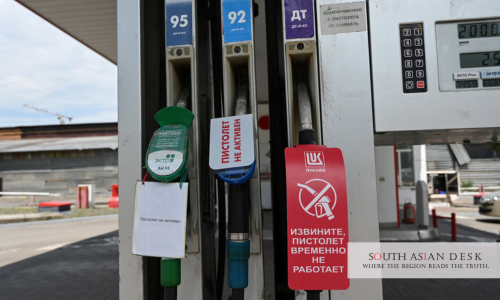
India has no immediate plan to raise the ethanol mix in gasoline beyond the current 20 per cent level, junior oil minister Suresh Gopi told the Rajya Sabha on Monday, seeking to calm concerns among motorists that the government intends to push the blend even higher. Gopi said in a written reply that no decision has been taken to increase the ethanol mix in gasoline further, and that any future move would follow additional scientific study and consultation with industry.
The clarification comes months after 20 per cent ethanol blending, marketed as E20 petrol, became the only fuel sold at India’s roughly 90,000 petrol pumps, a shift that triggered uproar among drivers in the world’s third-largest car market. Since then, the ethanol mix in gasoline has drawn persistent criticism from sections of the public who argue that the higher blend reduces fuel efficiency and affects engine performance, particularly in older vehicles not originally designed for it.
E20 Petrol and the Mileage Debate
Addressing the mileage concerns directly, Gopi said any drop in fuel efficiency in older, E10-designed vehicles running on E20 petrol is generally marginal, at around three to five per cent, and is offset by the higher octane rating and cleaner combustion that the ethanol blend provides. He added that vehicle manufacturers continue to honour warranties on cars and two-wheelers running on compliant E20 petrol, pushing back against claims that the higher ethanol mix in gasoline voids coverage or damages engines.
The government’s position echoes an earlier clarification issued through its Ethanol Blended Petrol Programme, under which the Ministry of Petroleum and Natural Gas addressed what it described as misinformation about the fuel switch in a press release last month. Automobile manufacturers followed with their own clarifications at a joint press conference in early July, reinforcing the official line that 20 per cent ethanol blending is safe for compliant vehicles and does not represent an intermediate step toward an even higher mix.
A Target Reached Five Years Early
India’s push toward 20 per cent ethanol blending has been years in the making. Gopi told parliament that average ethanol blending in petrol rose from about 1.53 per cent in the 2013-14 supply year to the full 20 per cent level in 2025-26, a target originally set for 2030 but achieved five years ahead of schedule after more than two decades of phased rollout. From April this year, all Bharat Stage-VI vehicles have been required to fully meet E20 emission standards, effectively completing the nationwide transition to the higher ethanol mix in gasoline.
Officials have consistently framed the acceleration of ethanol blending in petrol as a strategic move to curb India’s reliance on imported crude oil. As the world’s third-largest oil importer, India depends on foreign suppliers for more than eighty per cent of its crude needs, and government figures cited in earlier statements suggest the ethanol programme has already saved the country a substantial sum in foreign exchange by displacing imported fuel with domestically produced ethanol, largely derived from sugarcane, surplus grain and agricultural waste.
No Timeline for Going Beyond 20% Ethanol Blending
For now, Gopi’s statement leaves the door only narrowly open to any further increase in the ethanol mix in gasoline. Rather than committing to a fresh target, the government has tied any move beyond 20 per cent ethanol blending to further scientific assessment and formal consultation with automakers and fuel suppliers, a process that is likely to take considerable time given the scale of India’s vehicle fleet. Until such a review is completed, the current 20 per cent ethanol mix in gasoline will remain the ceiling, even as public debate over its effect on mileage and engine performance continues.
Published in SouthAsianDesk, July 21, 2026
Follow SouthAsianDesk on X, Instagram and Facebook for insights on business and current affairs from across South Asia.