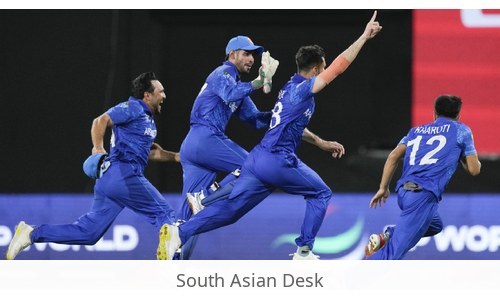
Ibrahim Zadran captaincy: On August 24, 2026, Afghanistan’s cricket team announced the appointment of Ibrahim Zadran as captain for the upcoming Afghanistan T20I series against India. The three-match series, scheduled for August 2026, marks a strategic move by Afghanistan’s cricket authorities to strengthen team leadership amid recent international challenges. Zadran, a veteran player known for his batting consistency, will lead the squad in what is expected to be a high-stakes encounter against a stronger Indian side.
Ibrahim Zadran captaincy: Impact of Zadran’s Leadership
Ibrahim Zadran’s appointment brings experience and tactical acumen to Afghanistan’s T20I setup. A former captain of the national team, Zadran has demonstrated leadership in critical matches, including his role in Afghanistan’s historic victories against higher-ranked teams. His ability to adapt to different playing conditions and his calm decision-making under pressure are seen as key assets.
The team’s management hopes his leadership will foster better cohesion among players and improve performance in high-pressure situations. Zadran’s tenure as captain in the past has been marked by a focus on disciplined batting and aggressive fielding, traits that could prove vital against India’s dynamic lineup. His experience in managing team dynamics during high-stakes matches, such as the 2021 T20 World Cup qualifiers, underscores his suitability for the role. As a leader in cricket leadership, Zadran’s approach may redefine Afghanistan’s strategy in T20I matches.
Afghanistan’s Cricketing Journey
Afghanistan’s cricketing journey has been marked by rapid growth since its international debut in the 2009 World Cup. The team has made significant strides, qualifying for the ICC Cricket World Cup and achieving notable results against stronger opponents. However, challenges persist, including inconsistent performances in T20 formats and the need for sustained investment in player development.
The appointment of Zadran as captain is part of broader efforts to build a competitive team capable of challenging regional powerhouses like India. Afghanistan’s rise has been fueled by grassroots initiatives and the support of the Afghanistan Cricket Board (ACB), which has prioritized infrastructure development and youth academies. Yet, the team’s T20 record remains a work in progress, with a win rate of approximately 35% in international T20 matches over the past five years, compared to 60% in ODIs. This disparity highlights the need for targeted strategies to address the unique demands of the shorter format.
Challenges Ahead
The upcoming series against India presents both opportunities and challenges for Afghanistan. Recent performances in international T20 matches have been mixed, with the team struggling against top-tier opponents. For instance, Afghanistan lost a three-match T20I series to Pakistan in 2025, with only one draw to their name. Additionally, injuries and form issues have affected key players, though Naveen-ul-Haq’s return to the squad after recovering from a stress fracture in his right shoulder adds depth to the batting lineup.
His presence could provide crucial stability, especially in the middle order, where Afghanistan has often faltered. Success in this series will depend on Zadran’s ability to implement effective strategies and maintain team morale under pressure. The Indian team, currently ranked second in the ICC T20I rankings, boasts a formidable lineup with players like Virat Kohli and Hardik Pandya, making the series a litmus test for Afghanistan’s progress.
Strategic Context and Regional Dynamics
Afghanistan’s cricketing ambitions are not isolated; they are part of a broader regional narrative where South Asian nations are vying for dominance in international cricket. The series against India is particularly significant as it tests Afghanistan’s ability to compete with established powers. The ACB has emphasized the importance of such encounters in building the team’s confidence and experience.
Analysts note that Afghanistan’s cricketing success has also had diplomatic implications, with the sport serving as a soft power tool to enhance the country’s international profile. However, the team’s reliance on a small pool of elite players remains a concern, as injuries or retirements can disrupt the balance. Zadran’s leadership may also influence the team’s approach to player development, potentially advocating for a more balanced squad composition.
Follow SouthAsianDesk on X, Instagram and Facebook for insights on business and current affairs from across South Asia.
Sources
- Ibrahim Zadran to lead Afghanistan in T20I series against India – indianexpress.com
- Afghanistan squad announced for three-match T20I series against India – ariananews.af
Image: images.indianexpress.com