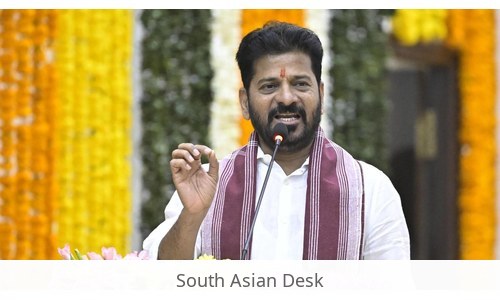
Telangana CM Revanth Reddy U.S. visit has become a focal point in recent political discourse after the India central government denied permission for the Telangana Chief Minister to travel to the United States. This decision, announced on August 21, 2026, follows the arrival of the official delegation in the United Kingdom, sparking debates about the balance of power between state and central authorities in India. The incident has reignited discussions on Telangana politics and the broader state vs central government dynamics, particularly in matters of international engagement.
Telangana CM Revanth Reddy U.S. visit: Political Implications
The denial of Revanth Reddy’s U.S. visit has sparked discussions about the dynamics between Telangana and the India central government. Political analysts note that such decisions often reflect broader power struggles between state and central authorities. In Telangana politics, the ruling party has expressed concern over the India central government’s intervention in state-level international engagements. Opposition leaders have seized on the issue, framing it as an attempt to undermine the state’s autonomy in international relations.
This incident aligns with historical precedents where the India central government has intervened in state-level international travel, such as during the 2019 Kashmir crisis, when similar restrictions were imposed on state leaders. Critics argue that such actions risk eroding the autonomy of states in managing their external relations, while the India central government maintains that national interests must take precedence.
Timing and Reasons Behind the Denial
The timing of the denial—after the delegation had already reached the United Kingdom—has drawn scrutiny. Officials in New Delhi have not provided explicit reasons for the cancellation, though some speculate that the decision may relate to ongoing diplomatic priorities or internal administrative protocols.
The lack of transparency has fueled speculation about potential political motivations, though no official statements have confirmed these claims. Analysts suggest that the India central government may have prioritized other diplomatic engagements or internal administrative procedures, which could have influenced the decision. However, the abrupt nature of the denial, coming after the delegation had already arrived in the UK, has raised questions about the coordination between state and central authorities.
State vs Central Government Dynamics
This incident underscores the recurring tensions between state and central governments in India, particularly regarding international engagements. Historical precedents include the India central government’s refusal to clear visits by state leaders to foreign countries during sensitive periods, such as the 2019 Kashmir crisis. Critics argue that such interventions risk eroding the autonomy of states in managing their external relations, while the India central government maintains that national interests must take precedence.
The current situation in Telangana highlights the ongoing challenge of balancing state autonomy with the need for centralized control over foreign policy. This dynamic is particularly significant in a federal structure like India’s, where states often seek greater independence in their international relations while the India central government asserts its authority over matters deemed critical to national interests.
Broader Implications for Federal Dynamics
The denial of Telangana CM Revanth Reddy U.S. visit has broader implications for the federal structure of India. It raises questions about the extent to which state governments can engage in international relations without central approval. In recent years, there have been increasing calls for states to have more autonomy in foreign relations, particularly in areas such as trade, investment, and cultural exchanges.
However, the India central government has consistently maintained that foreign policy is a federal domain, requiring coordination at the national level. This incident may further complicate the already delicate balance between state and central authorities, potentially leading to more disputes over international engagements in the future.
Follow SouthAsianDesk on X, Instagram and Facebook for insights on business and current affairs from across South Asia.
Sources
- Centre denies permission for Telangana CM Revanth Reddy’s U.S. visit – thehindu.com
- Telangana CM Revanth Reddy’s US trip cancelled after Centre denies clearance – indianexpress.com
Image: th-i.thgim.com