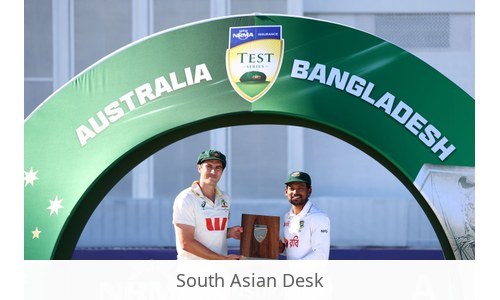
Australia’s cricket team secured a historic victory over Bangladesh in the Mackay Test, a match that lasted just 750 deliveries across two days, marking it as one of the shortest completed Tests in cricket history. The result, reported by Daily Mirror, highlights evolving dynamics in the sport and raises questions about the future of Test match formats.
Mackay Test: Implications of Shorter Test Matches
The brevity of the Mackay Test has sparked discussions about how shorter match durations might influence team strategies and viewer engagement. With fewer deliveries, teams may need to adapt their batting and bowling approaches, potentially prioritizing aggressive play over traditional Test match strategies. This shift could also impact player fitness and preparation, as shorter formats demand different physical and mental endurance.
The match’s compressed timeline reflects broader trends in cricket, where the rise of T20 leagues and limited-overs formats has increasingly influenced the structure of longer formats. The Mackay Test, while an outlier in duration, may signal a growing willingness among cricket boards to experiment with match lengths to accommodate scheduling constraints and audience preferences. Such experimentation could lead to a reevaluation of the traditional five-day Test structure, which has long been the cornerstone of the sport’s prestige.
Fan reactions have been mixed, with some appreciating the faster-paced action and others expressing concerns about the dilution of Test cricket’s traditional values. The match’s outcome may prompt cricket boards to reconsider match scheduling and duration, balancing the interests of fans, players, and broadcasters. Analysts suggest that the ICC and national boards could explore hybrid formats, blending elements of Test cricket with the intensity of shorter formats, to maintain relevance in an evolving sports landscape.
Bangladesh’s Performance Review
Bangladesh’s performance in the Mackay Test drew criticism from within the team. Shanto, a key player, acknowledged the team’s shortcomings, stating they “played poorly as a team” according to ESPNcricinfo. This assessment aligns with their recent struggles in high-pressure matches, raising questions about their readiness for upcoming challenges.
The Bangladesh cricket performance in the Mackay Test underscores persistent challenges in Test cricket, often struggling against stronger opponents. Their performance in Mackay highlights a recurring issue: inconsistency in maintaining composure and executing strategies under pressure. While individual contributions from players like Shanto were notable, the team’s collective performance fell short of expectations. Analysts suggest that Bangladesh must address these issues to compete effectively in future Test matches.
The team’s struggles in Mackay are not isolated. Bangladesh’s Test record against top-tier teams has historically been uneven, with frequent collapses in both batting and bowling. This pattern highlights the need for improved team cohesion, tactical discipline, and resilience in high-stakes scenarios. Cricket analysts have pointed to the importance of developing a more robust middle order and a reliable bowling attack to counter the pace and aggression of teams like Australia.
Context and Broader Cricket Dynamics
The Mackay Test’s brevity is not merely a statistical anomaly but a reflection of shifting priorities in cricket administration. The sport has seen a growing emphasis on player welfare, with concerns about the physical toll of five-day Tests. Shorter formats could alleviate this burden, allowing players to focus on multiple formats without overexertion. However, critics argue that such changes risk undermining the strategic depth and endurance that define Test cricket.
The match also raises questions about the role of Test cricket in the modern era. As T20 leagues dominate global attention, the five-day format must justify its relevance through unique qualities such as tactical nuance and endurance. The Mackay Test’s outcome may serve as a catalyst for discussions on how to preserve these elements while adapting to contemporary demands.
The shortest Test match in history, the Mackay Test, has broader implications for cricket match implications. It challenges the notion of what constitutes a “complete” Test match and may influence future scheduling decisions. For instance, the Australia cricket victory in this match could set a precedent for how teams approach shorter Test formats, potentially reshaping Test match strategies globally.
Follow SouthAsianDesk on X, Instagram and Facebook for insights on business and current affairs from across South Asia.
Sources
- 750 balls, two days: Mackay test makes history – dailymirror.lk
- Shanto hopes Bangladesh ‘do it’ in South Africa after Darwin conquest – cricinfo.com
Image: p.imgci.com