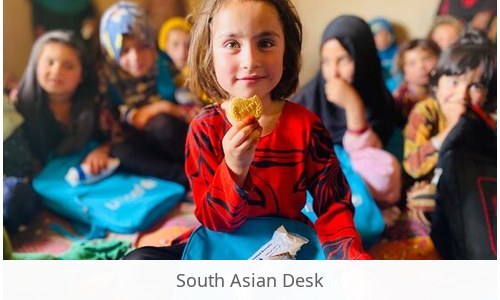
Afghan children malnutrition has reached a critical juncture, with UNICEF reporting that around one million children in Afghanistan are suffering from life-threatening severe acute malnutrition. The warning comes amid a deepening humanitarian crisis Afghanistan, where approximately 3.7 million children are affected by wasting, a dangerous form of malnutrition. The crisis underscores the fragility of Afghanistan’s social systems, which have been strained by years of conflict, economic collapse, and environmental pressures. UNICEF warning Afghanistan has become a central focus as the international community grapples with the scale of the emergency.
Afghan children malnutrition: Underlying Causes of the Malnutrition Crisis
Economic instability and prolonged conflict have severely disrupted Afghanistan’s agricultural and food distribution systems. According to UNICEF’s representative in Afghanistan, Tajudeen Oyewale, the crisis is compounded by limited access to healthcare, rising food prices, and the impact of climate change on crop yields. These factors have created a perfect storm for malnutrition, particularly among children under five.
The collapse of formal economic institutions since 2021 has left millions without stable incomes, while the destruction of infrastructure has hindered the transportation of food and medical supplies to rural and conflict-affected areas. Inflation has driven staple food prices to unsustainable levels, forcing families to prioritize immediate caloric intake over nutritional quality. Meanwhile, erratic rainfall patterns and prolonged droughts have reduced agricultural output, further straining an already fragile food supply chain.
The healthcare system, weakened by years of underfunding and political instability, struggles to meet basic needs. Mobile clinics and community-based programs are critical lifelines, but their reach is limited by security risks and logistical challenges. In regions controlled by non-state actors, access to humanitarian aid for Afghanistan is often restricted, exacerbating disparities in treatment availability. The lack of clean water and sanitation compounds the problem, increasing the risk of infections that worsen malnutrition. Afghan children malnutrition remains a pressing issue, with child health Afghanistan deteriorating rapidly in the absence of sustained intervention.
Response from International Organizations
UNICEF has launched targeted interventions to address the crisis, including mobile health clinics and community-based nutrition programs. The organization has also called for increased international aid for Afghanistan to scale up treatment and prevention efforts. As of August 2026, UNICEF and its partners have distributed over 1.2 million therapeutic food packets to affected children, though demand far exceeds current supply. The agency has emphasized the need for urgent funding to expand its operations, particularly in hard-to-reach areas where malnutrition rates are highest. However, geopolitical tensions and shifting donor priorities have slowed the flow of aid, with some countries hesitating to provide direct support due to concerns over accountability and governance.
Other international bodies, including the World Food Programme (WFP) and the World Health Organization (WHO), have also mobilized resources, but coordination remains a challenge. Local NGOs and community health workers play a vital role in identifying at-risk children and providing immediate care, yet their capacity is stretched thin. The situation highlights the urgent need for a unified, multi-agency approach to address both the immediate needs of children and the systemic factors driving the crisis. Afghan children malnutrition continues to demand global attention, with the humanitarian crisis Afghanistan deepening daily.
Long-Term Implications of Child Malnutrition
The malnutrition crisis risks leaving lasting scars on Afghanistan’s future generations. Chronic malnutrition can impair cognitive development, reduce educational attainment, and weaken immune systems, perpetuating cycles of poverty and instability. Children who survive severe acute malnutrition are more likely to experience stunted growth, delayed motor skills, and lifelong health complications. These outcomes not only affect individual well-being but also constrain the country’s economic potential, as a less educated and less healthy workforce limits productivity and innovation.
The crisis also has broader regional implications. Afghanistan’s instability has long been a source of displacement and migration, and worsening health conditions could further strain neighboring countries. The international community’s response will be critical in determining whether Afghanistan can recover from this humanitarian emergency. Without sustained investment in nutrition programs, healthcare infrastructure, and economic stability, the country risks falling deeper into a cycle of poverty and fragility. Afghan children malnutrition remains a stark reminder of the urgent need for action to safeguard child health Afghanistan.
Follow SouthAsianDesk on X, Instagram and Facebook for insights on business and current affairs from across South Asia.
Sources
- One million children in Afghanistan face deadly malnutrition – news.un.org
- UNICEF warns one million Afghan children at risk of death from malnutrition – ariananews.af
Image: global.unitednations.entermediadb.net