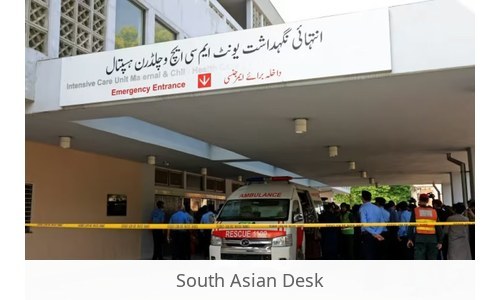
Islamabad’s Institute of Medical Sciences (PIMS) became the site of a devastating Pakistan hospital fire that claimed the lives of at least 14 infants. The incident, which occurred in the hospital’s gynaecology ward where 16 newborns were present, has sparked widespread grief and anger among the victims’ families. One infant was rescued, raising urgent questions about hospital safety protocols and regulatory oversight.
Pakistan hospital fire: Demands for Accountability
Parents of the deceased infants have called for a thorough investigation into the circumstances surrounding the tragedy. They are demanding answers about the fire’s origin, the adequacy of emergency response measures, and the hospital’s compliance with safety regulations. The incident has also reignited debates about the need for stricter oversight of healthcare facilities, particularly those treating vulnerable populations such as newborns. Families have organized vigils and public demonstrations, emphasizing their belief that systemic negligence may have contributed to the disaster. Legal representatives for the families have hinted at potential civil litigation against the hospital and government agencies, though no formal claims have been filed yet.
Government Response to Fire
President Muizzu of the Maldives expressed condolences to Pakistan’s Prime Minister over the tragedy, as reported by TNN Local News. While this gesture highlights international solidarity, local families continue to seek accountability from Pakistani authorities. The government has yet to issue a formal statement detailing its response to the Pakistan hospital fire incident or outlining steps to prevent similar occurrences. This delay has fueled public frustration, with critics arguing that a lack of transparency could hinder efforts to identify the root causes of the fire. The absence of a clear official narrative has also raised concerns about the capacity of Pakistan’s emergency management systems to handle such crises.
Broader Implications for Hospital Safety Standards in Pakistan
This tragedy underscores longstanding concerns about hospital safety standards Pakistan. The Institute of Medical Sciences, a prominent public institution, is expected to adhere to rigorous safety protocols. However, the incident has exposed potential gaps in enforcement and infrastructure maintenance. The fire has also drawn attention to the broader need for policy reforms in public health infrastructure, including improved fire safety measures and emergency preparedness in healthcare facilities. Analysts note that Pakistan’s healthcare system, already strained by underfunding and overcrowding, may lack the resources to implement comprehensive safety upgrades. The incident could serve as a catalyst for legislative action, though political gridlock and bureaucratic inertia have historically slowed such reforms.
Contextualizing the Crisis
The fire at PIMS is not an isolated incident but part of a pattern of safety failures in public healthcare facilities across South Asia. In recent years, similar tragedies have occurred in India and Bangladesh, where overcrowded hospitals and outdated infrastructure have led to preventable deaths. These cases highlight a regional challenge: balancing the demand for accessible healthcare with the need for modern, safe infrastructure. In Pakistan, the situation is compounded by a lack of consistent regulatory enforcement and limited public investment in healthcare. The PIMS fire has reignited calls for a regional dialogue on healthcare safety standards, with some advocacy groups urging South Asian nations to adopt shared protocols for hospital safety.
Public Health Policy Implications
The public health policy implications of this disaster extend beyond immediate safety concerns. Experts argue that the incident highlights the urgent need for a national framework to address hospital safety standards, particularly in facilities serving vulnerable populations like newborns. The infant fatalities Islamabad have become a focal point for advocates pushing for stricter regulations and increased funding for healthcare infrastructure. The Institute of Medical Sciences fire has also prompted discussions about the role of government in ensuring compliance with safety protocols and the potential consequences of neglecting these responsibilities.
Follow SouthAsianDesk on X, Instagram and Facebook for insights on business and current affairs from across South Asia.
Sources
- Fury and grief as parents of Pakistan infant fire victims demand answers – aljazeera.com
- President Muizzu Sends Condolences to Pakistan PM Over PIMS Fire That Killed 14 Newborns – tnn.mv
- At least 15 infants killed in Islamabad hospital fire – ariananews.af
Image: tnn.mv