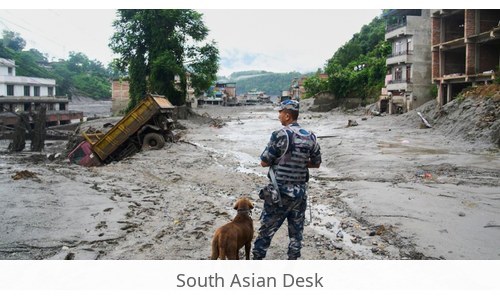
Nepal hydel plant disruption has escalated into a regional crisis following flash floods triggered by a glacial and rock collapse near the Nepal-China border on August 27, 2026. The disaster has left 389 dead and nearly 1,500 missing, severely impacting multiple hydel power plants, including one supplying electricity to India. The Nepal-China border collapse has exacerbated the situation, with climate change floods Nepal and the broader Nepal floods impact now threatening regional energy stability. The incident has raised urgent questions about disaster preparedness and cross-border infrastructure resilience in South Asia.
Nepal hydel plant disruption: Implications for Regional Energy Supply
India’s reliance on Nepal’s hydel power infrastructure has been tested by the floods. The affected plant, which feeds into India’s grid, is part of a broader network of cross-border energy projects that have long been central to South Asia’s energy security. According to The Indian Express, the disruption has raised concerns about India energy supply, particularly as seasonal fluctuations in demand intensify. Analysts note that the loss of this hydel unit could temporarily destabilize regional power grids, though Nepal’s energy ministry has confirmed that several other plants remain operational. However, the scale of the damage to the affected facilities has yet to be fully assessed, leaving uncertainty about the duration of the supply disruption. This incident underscores the interdependence of South Asian energy systems, where hydel projects often serve as critical links in regional power-sharing agreements.
Environmental Factors Contributing to the Floods
Scientists attribute the floods to a combination of glacial melting and heavy monsoon rains, with a collapse of a glacier and rock formation near the Nepal-China border triggering a massive flood that overwhelmed local infrastructure. Climate change floods Nepal has become an increasingly pressing concern, with studies showing rising temperatures accelerating glacial retreat in the Himalayas. This incident underscores the vulnerability of South Asian infrastructure to climate-related disasters, prompting calls for improved disaster preparedness and investment in resilient energy systems. The glacial collapse, which occurred in a region already prone to landslides and flash floods, highlights the need for enhanced monitoring systems and early warning mechanisms in mountainous areas. The Himalayan region, home to some of the world’s most critical water sources, faces mounting pressure from both natural and anthropogenic factors, complicating efforts to manage water resources sustainably.
Current Rescue Operations and International Response
Rescue operations Nepal are underway as teams from Nepal and China work around the clock to locate survivors and provide emergency supplies to those cut off by the floods. The Hindu reports that at least 290 Indians remain uncontactable in Nepal’s affected regions, emphasizing the cross-border humanitarian challenges. International aid has begun to flow, with neighboring countries offering technical assistance and humanitarian support. However, challenges such as inaccessible terrain and damaged communication networks have hampered rescue efforts. The Nepalese government has appealed for international cooperation to manage the crisis effectively, underscoring the need for regional collaboration in disaster response. The scale of the disaster has also prompted discussions about the adequacy of existing emergency protocols in mountainous regions, where rapid response is often complicated by logistical constraints.
Regional Infrastructure and Climate Resilience
The disruption of hydel plants in Nepal has broader implications for regional infrastructure resilience. Hydel projects in the Himalayas are not only vital for energy production but also serve as key components of water management systems. The floods have exposed the fragility of these systems, particularly in areas where infrastructure development has outpaced environmental safeguards. Experts warn that without significant investment in climate-resilient infrastructure, similar events could become more frequent, threatening both energy security and public safety. This crisis has also reignited debates about the balance between economic development and environmental conservation in the region, with calls for stricter regulations on construction in ecologically sensitive areas.
Follow SouthAsianDesk on X, Instagram and Facebook for insights on business and current affairs from across South Asia.
This report focuses on Nepal hydel plant disruption and the verified developments surrounding it.
Sources
- Hydel plant in Nepal feeding power to India among several units hit by flash floods – indianexpress.com
- Nepal flash floods LIVE: Nepal, China warn of fresh flood risks; At least 290 Indians remain ‘uncontactable’ – thehindu.com
- Deadly floods cause widespread destruction in China, Nepal – news.un.org
Image: images.indianexpress.com