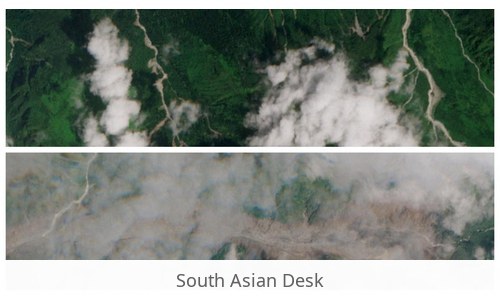
China lake breach warning has been issued by Chinese authorities, highlighting a “high risk” that a lake formed after a landslide near the Nepal-Tibet border may breach its banks, potentially causing a second flood downstream. This development has heightened concerns about further humanitarian crises in the region, with Nepal already grappling with catastrophic flooding that has claimed 479 lives and left over 1,500 people missing. The China lake breach warning underscores the urgency of cross-border coordination to mitigate the escalating disaster.
China lake breach warning: Assessing the Risk and Regional Impact
The China lake breach warning has drawn attention to the potential for a second flood in Nepal, compounding the existing crisis. The lake, formed by a landslide near the Nepal-Tibet border, poses a significant threat to downstream areas. This situation has raised concerns about Tibet landslide impact, as the unstable terrain and heavy monsoon rains increase the likelihood of further breaches. The Nepal flood risk is now at its highest, with vulnerable communities facing the dual threat of ongoing floods and the potential for a new surge from the breached lake.
Current Flooding Situation in Nepal
As of August 28, 2026, the death toll from the Rasuwa flood has reached 479, with bodies recovered from eight districts. Government spokesperson Sasmita Pokharel confirmed that 12 bodies were recovered in Rasuwa, 37 in Nuwakot, 33 in Dhading, and 44 in Gorkha. Rescue operations have been paused near the Nepal-China border amid fears of further flooding, as Chinese state media reported three additional deaths due to the flooding, raising the total death count to at least 472. The affected regions, including Rasuwa and Gorkha, are among the most remote and mountainous areas of Nepal, where infrastructure is limited and access to emergency services is challenging. The floods have submerged villages, disrupted communication networks, and left thousands stranded in isolated areas. The situation is compounded by the monsoon season, which has already brought heavy rainfall to the region, increasing the risk of landslides and further flooding.
Response from Nepalese Authorities
Nepal Police issued an alert after reports of a water dam on the Tibetan side bursting again. This incident has compounded the already dire situation, with authorities confirming that over 1,500 people remain missing across Nepal and Tibet. The government has been coordinating with international partners to manage the crisis, though challenges persist in accessing affected areas near the border. The Nepalese military and civil defense forces have been deployed to conduct search and rescue operations, but the rugged terrain and ongoing threat of further flooding have limited their effectiveness. The government has also requested assistance from neighboring countries and international organizations to provide emergency relief, including food, shelter, and medical supplies. However, the coordination of efforts across borders remains a complex task, given the logistical challenges and the need for rapid response.
International Aid and Future Preparedness
The ongoing crisis has underscored the need for improved disaster response strategies and international disaster response. While aid efforts are underway, the potential for a second flood highlights the importance of China Nepal cooperation in mitigating future risks. Analysts emphasize that coordinated emergency planning between Nepal and China is critical to preventing further loss of life and infrastructure damage. The region’s vulnerability to natural disasters, exacerbated by climate change and deforestation, necessitates a long-term approach to disaster preparedness. This includes investing in early warning systems, improving infrastructure resilience, and enhancing regional cooperation. The incident also highlights the need for better communication and information sharing between countries to ensure timely responses to such crises. International organizations, including the United Nations and the Red Cross, have expressed concern over the situation and are working with local authorities to provide support. However, the effectiveness of these efforts will depend on the ability of affected countries to coordinate their responses and allocate resources efficiently.
Follow SouthAsianDesk on X, Instagram and Facebook for insights on business and current affairs from across South Asia.
Sources
- ’High risk’ of lake breaching and causing second flood, warns China – dailymirror.lk
- Nepal issues fresh flood warning as water level rises at site of deadly flash flood – thehindu.com
- Government says 479 bodies recovered following Rasuwa flood – english.onlinekhabar.com
Image: th-i.thgim.com