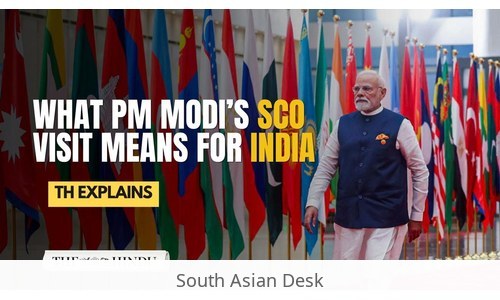
PM Modi SCO visit: Prime Minister Narendra Modi is in Uzbekistan for a two-day visit aimed at strengthening ties in various sectors. The visit includes participation in the 26th Shanghai Cooperation Organisation summit on August 31 and September 1, 2026, with discussions expected to focus on trade, clean energy, and regional connectivity. This engagement precedes India’s role in the upcoming BRICS Summit 2026 and UNSC elections, positioning the PM Modi SCO visit as a critical diplomatic milestone.
PM Modi SCO visit: Key Discussions at the SCO Summit
PM Modi is anticipated to hold talks with Russian President Vladimir Putin during the summit, with potential meetings also scheduled with Chinese President Xi Jinping. The discussions are expected to cover a range of strategic and economic issues, including enhancing trade relations, advancing clean energy initiatives, and improving regional connectivity. These talks are significant as they come at a time when India is seeking to balance its relationships with major global powers while advancing its regional interests.
The SCO, established in 2001, has grown into a key platform for regional security and economic cooperation among its eight member states: India, Pakistan, China, Russia, Kazakhstan, Kyrgyzstan, Tajikistan, and Uzbekistan. The organisation’s focus on counter-terrorism, trade facilitation, and infrastructure development aligns with India’s strategic priorities. During the summit, Modi is expected to reiterate India’s commitment to multilateralism, particularly in addressing cross-border challenges such as terrorism and economic disparities. The inclusion of clean energy as a discussion point reflects India’s domestic push for renewable energy targets, including its goal to achieve 500 gigawatts of renewable energy capacity by 2030. This aligns with broader regional efforts to reduce dependence on fossil fuels and enhance energy security.
Regional connectivity, a recurring theme in India’s foreign policy, is likely to feature prominently in the talks. The SCO provides a framework for advancing projects like the International North-South Transport Corridor (INSTC), which aims to link India with Europe and the Middle East via Iran and Russia. Strengthening such corridors would not only boost trade but also enhance India’s geopolitical influence in Central Asia and beyond. The summit may also see discussions on digital connectivity, including the development of cross-border digital infrastructure to support e-commerce and financial services.
Implications for India’s Foreign Policy
The outcomes of the SCO summit are likely to influence India’s foreign policy trajectory, particularly in its relations with Russia and China. Strengthening ties with these nations through the SCO framework could provide India with strategic benefits, including greater regional cooperation and enhanced diplomatic leverage. This visit aligns with India’s broader goal of fostering multilateral engagement and addressing global challenges through collaborative frameworks.
India’s balancing act between its strategic partnerships with Russia and its economic ties with China has long been a cornerstone of its foreign policy. The SCO summit offers a unique opportunity to reinforce these relationships while navigating the complexities of global geopolitics. For instance, India’s energy security is heavily reliant on Russian oil and gas, yet its trade deficit with China has prompted a push for greater economic diversification. The summit discussions may explore ways to deepen bilateral trade agreements, such as expanding India’s access to Russian markets for pharmaceuticals and IT services, while also addressing trade imbalances with China through increased investment in infrastructure and technology.
The timing of the PM Modi SCO visit is also significant in the context of India’s upcoming role in the BRICS Summit 2026 and UN Security Council elections. BRICS, comprising Brazil, Russia, India, China, and South Africa, has emerged as a counterweight to Western-dominated institutions like the IMF and World Bank. India’s active participation in BRICS underscores its ambition to shape global governance structures. Meanwhile, the UN Security Council elections, which will determine India’s bid for a non-permanent seat, highlight the importance of maintaining strong regional alliances. A successful SCO engagement could bolster India’s diplomatic credentials, reinforcing its position as a leader in South Asian and global affairs.
The SCO summit discussions are expected to focus on enhancing regional cooperation, particularly in areas like counter-terrorism and infrastructure development. These discussions will be crucial in shaping India’s approach to regional security and economic integration, aligning with its broader foreign policy goals.
Follow SouthAsianDesk on X, Instagram and Facebook for insights on business and current affairs from across South Asia.
Sources
- Watch: PM Modi’s SCO visit comes with key expectations ahead of the BRICS Summit and UNSC elections – thehindu.com
- PM Modi at Shanghai summit today, will hold talks with Putin, likely to meet Xi – indianexpress.com
Image: th-i.thgim.com