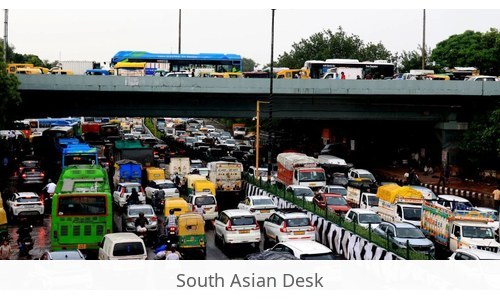
Delhi traffic restrictions have been enforced across the capital as part of preparations for the BRICS Summit 2026. On September 1, 2026, Delhi Police issued an advisory regarding traffic diversions and regulations for the BRICS 2026 motorcade rehearsal. The restrictions, affecting over 35 roads, aim to facilitate logistical preparations for the upcoming BRICS Summit. Commuters across the capital have been advised to plan alternate routes as the measures are in place to ensure smooth movement of the motorcade during the rehearsal.
Delhi traffic restrictions: Impact on Daily Commuters
The traffic curbs have been implemented on key roads including Maharani Bagh, ITO, and Connaught Place, disrupting regular traffic flow. These areas are critical arteries for daily commutes, and their closure has led to increased congestion on alternative routes. Commuters have reported delays, with some opting for public transport or carpooling to mitigate the inconvenience.
Local business owners expressed concerns about reduced footfall, particularly in retail and hospitality sectors, where foot traffic is a primary revenue driver. Residents near affected areas emphasized the need for clear signage and timely updates, which Delhi Police has attempted to provide through digital platforms and local announcements.
The temporary nature of the restrictions has prompted discussions about the need for more permanent infrastructure solutions to manage traffic during large-scale events. Delhi traffic restrictions, while necessary for the motorcade rehearsal, have highlighted the challenges of balancing international summit logistics with the daily needs of Delhi’s residents.
Security Measures for the BRICS Summit
Delhi Police has deployed additional personnel and surveillance systems to secure the motorcade route. The measures align with standard protocols for high-profile international events, ensuring the safety of dignitaries and preventing disruptions. Authorities have emphasized that these precautions are routine for hosting global summits, reflecting India’s commitment to maintaining security during multilateral engagements.
The deployment includes both visible and covert operations, with a focus on monitoring potential threats and ensuring the seamless movement of the motorcade. This approach is consistent with previous security frameworks used during major international events in India, such as the G20 summit and the Commonwealth Games, where similar measures were employed to safeguard high-profile delegations.
Significance of the BRICS Summit
The BRICS Summit, involving leaders from Brazil, Russia, India, China, and South Africa, underscores India’s role as a regional power and its diplomatic priorities. The summit is expected to address global economic challenges, trade relations, and regional security. Hosting the event highlights India’s growing influence in international forums and its strategic alignment with emerging economies.
The geopolitical significance of BRICS provides India with an opportunity to strengthen its position in global affairs. Discussions are anticipated to focus on issues such as trade liberalization, energy security, and counter-terrorism, areas where India’s interests align with those of its BRICS counterparts. The summit also serves as a platform for India to showcase its capabilities in organizing large-scale international events, reinforcing its status as a key player in global diplomacy.
Broader Implications for Delhi’s Infrastructure
The implementation of traffic restrictions for the BRICS motorcade rehearsal highlights the logistical challenges associated with hosting international events in a densely populated city like Delhi. The capital’s infrastructure, while robust, faces periodic strain during such events, necessitating coordinated efforts between various agencies.
The temporary traffic management measures have also sparked conversations about the need for long-term urban planning solutions to accommodate the demands of large-scale gatherings. Experts suggest that integrating event-specific traffic management into the city’s broader infrastructure planning could help mitigate disruptions in the future. Additionally, the use of technology, such as real-time traffic monitoring and predictive analytics, is being explored to enhance the efficiency of such operations.
Follow SouthAsianDesk on X, Instagram and Facebook for insights on business and current affairs from across South Asia.
Sources
- BRICS motorcade rehearsal: Traffic curbs on 35+ Delhi roads today, check routes – indianexpress.com
- Delhi Traffic Police Issues Advisory For BRICS 2026 Motorcade Rehearsal – ndtv.com
Image: images.indianexpress.com