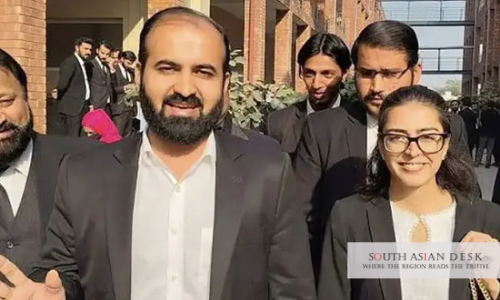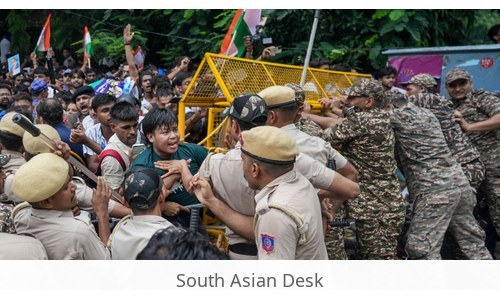
On September 1, 2026, four Indian states filed a petition with the Supreme Court seeking to quash cases against CJP protesters, highlighting growing legal and civil rights discourse surrounding demonstrations in the region. The Indian Express and The Hindu both reported on the development, emphasizing the significance of the states’ collective action.
Quash Cases Against CJP Protesters: Civil Rights and Freedom of Expression
The petition by the four states underscores broader concerns about the balance between law enforcement actions and civil liberties in India. Historical precedents show that protests against governmental policies have often led to legal challenges, with courts playing a pivotal role in defining the boundaries of freedom of expression. This case could set a precedent for how future demonstrations are handled, particularly those involving contentious social or economic issues.
India’s constitutional framework, enshrined in Article 19, guarantees citizens the right to freedom of speech and expression, subject to reasonable restrictions. Legal scholars have long debated the interpretation of these restrictions, particularly in the context of public order and national security. The Supreme Court India’s role in adjudicating such cases has historically been central to shaping the legal landscape for protests. For instance, the 2017 K.S. Puttaswamy v. Union of India ruling affirmed the right to privacy as a fundamental right, reinforcing the judiciary’s role in safeguarding civil liberties. This current petition may further test the Court’s interpretation of these rights in the face of state action.
The Supreme Court India is set to hear the plea from the Delhi Police regarding the quashing of FIRs against NEET protesters, as reported by The Hindu. This development adds urgency to the discussion about the legal framework governing protests and the rights of demonstrators. Legal experts suggest that the court’s ruling may influence similar cases across the country, reinforcing or redefining the parameters of lawful protest.
The CJP protests, which have gained momentum in recent years, often center on issues such as judicial reforms, transparency, and accountability. These demonstrations have historically been met with mixed legal responses, with some cases resulting in the quash cases against CJP protesters due to lack of evidence or proportionality in state action. The Delhi Police’s current plea to quash FIRs against NEET protesters may signal a broader trend of reevaluating the legal basis for prosecuting demonstrators, particularly when allegations of public order violations are contested.
State Governments’ Role
The involvement of four states in the petition reflects a coordinated effort to address perceived overreach in the handling of protests. Each state has its own legal and administrative framework for managing demonstrations, but the collective action signals a shared concern about the treatment of protesters. This move could encourage other states to adopt similar stances, potentially reshaping the national approach to civil rights India and protest management.
State governments in India have historically wielded significant autonomy in managing public demonstrations, often relying on state-specific laws such as the Bombay Police Act or the Delhi Police Act. However, the coordinated petition by four states suggests a growing alignment in their approach to protest-related legal challenges. This could indicate a shift toward a more unified legal strategy across states, potentially reducing disparities in how protests are policed and prosecuted.
The broader implications of this legal action extend beyond the immediate case. It highlights the evolving relationship between state governments and civil society, emphasizing the need for policies that protect both public order and individual freedoms. As the Supreme Court India deliberates, the outcome may influence future interactions between protesters and law enforcement, shaping the legal landscape for demonstrations in India.
The petition also raises questions about the role of state governments in advocating for civil liberties. While states typically act as enforcers of law, their involvement in seeking judicial intervention to quash cases against CJP protesters signals a recognition of the judiciary’s authority in balancing state power with individual rights. This dynamic could set a precedent for future state-judiciary collaborations in addressing contentious social issues.
The Delhi Police FIRs against NEET protesters have sparked debates about the proportionality of legal actions taken against demonstrators. Critics argue that such FIRs often target peaceful protests, raising concerns about the misuse of legal mechanisms to suppress dissent. The current petition by four states to the result may serve as a catalyst for reevaluating the criteria for filing FIRs in protest-related cases.
The state governments support protests movement has gained traction as a response to perceived injustices in the legal system. By aligning with the petition to quash FIRs against CJP protesters, these states are signaling a commitment to protecting civil liberties and ensuring that legal actions are grounded in evidence and proportionality. This stance could encourage other states to follow suit, fostering a more rights-based approach to protest management.
Follow SouthAsianDesk on X, Instagram and Facebook for insights on business and current affairs from across South Asia.
Sources
- Not just Delhi: 4 states urge top court to quash cases against CJP protesters – indianexpress.com
- SC to hear Delhi Police’s plea to quash FIRs against NEET protesters – thehindu.com
Image: images.indianexpress.com